What to Expect on a Kyoto Bike Tour: A Guide's Walkthrough
Most people book a Kyoto bike tour without knowing exactly what they are booking. They have read the tour pages, they know the prices, the duration, and the meeting point. However, what they do not have, until the day they arrive, is a clear picture of the actual experience.
After ten years and close to 1,000 tours, I have a preference. I would rather you book us knowing what to expect on a NORU tour.
When NORU started, Kyoto was a less regulated place for visitors on bikes. The streets were less crowded, locals were more patient, and the road rules were more flexible. Today, all of that has shifted and things are stricter and more ordered. Having a local guide for the Kyoto backstreets matters more than it did a decade ago.
So this is the honest walkthrough. From the moment you arrive to the moment you leave, here is what actually happens on a Kyoto bike tour.
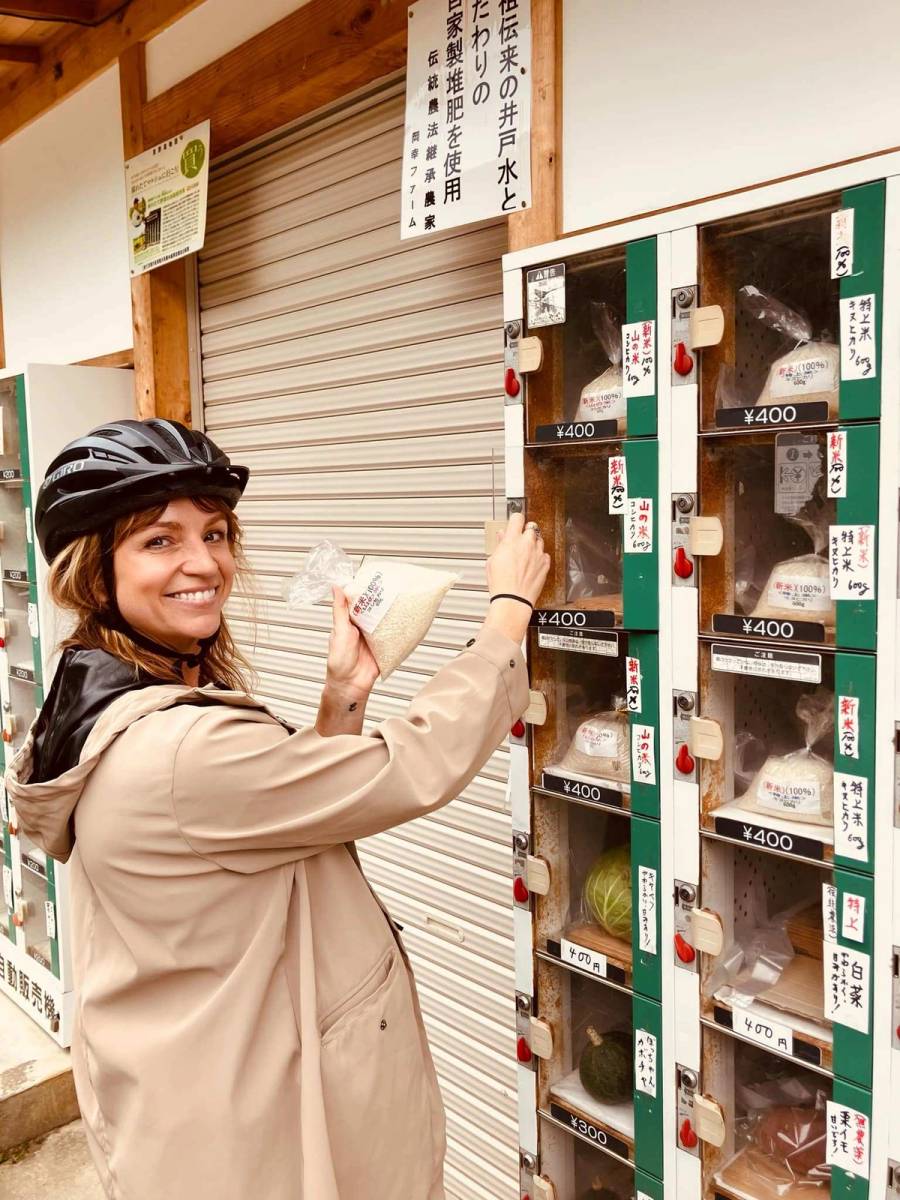
Before You Arrive at NORU
It is common for people to arrive at our tours unprepared. Wrong shoes. No layer for the temperature swing. A water bottle they bought at a convenience store fifteen minutes earlier. That is honestly where we can be our most helpful. We handle the practical gap when you arrive.
The first is what you wear. Closed-toe shoes are required. Sneakers are fine. Wear layers if the season is uncertain, because Kyoto's weather can shift ten degrees between morning and afternoon. Our Kyoto bike tour packing guide covers the rest.
The second is the mindset. You do not need cycling experience, as the e-bikes flatten the gradient. The group size keeps the pace conversational. The route is planned around the slowest rider, not the fastest. If you can ride a bicycle at all, you can ride this tour.
The First Hour of the NORU Tour
You arrive at the meeting point about ten minutes before the start time. We use the buffer for paperwork, fitting, and the pre-ride briefing.
The paperwork is short. A waiver, a quick photo of your ID for our records, payment confirmation. Five minutes.
The fitting takes longer. Each rider is matched to a Panasonic Hurryer BE-ELH642 e-bike sized to their height. We adjust the seat. We check the brakes. We run you through the assist mode controls. We let you do a short test loop to confirm the bike feels right.
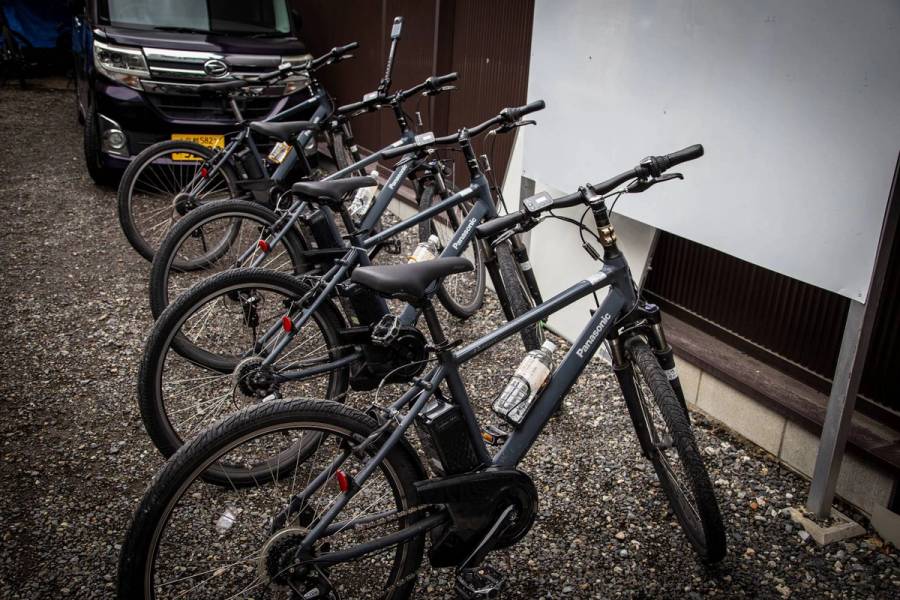
The Hurryer has a 7-speed external transmission. The progressive assist system cuts at 24 km/h. That cutoff is the legal limit for e-bikes in Japan. The assist is what makes the gradient manageable. It is not what makes the bike fast.
Most first-time riders are surprised by how natural the assist feels once they are moving.
Then comes the briefing. This is the part of the day most guests do not expect. It is also the part guests remember afterward as the most useful single hour they spent in Kyoto.
Who delivers the briefing matters
Every NORU guide is a fluent English speaker who has lived in Kyoto for years. The hiring bar matters. You cannot deliver this briefing from a script. Half of what makes it useful is the small local context the guide knows from living here. We do not hire seasonal staff who learned the route last week.
The briefing covers two things
The first is local riding law. Since Japan's Blue Ticket enforcement rolled out in April 2026, the cost of getting it wrong has gone up. We walk through which sidewalks you can ride and which you cannot. We explain the bicycle-prohibited zone signage you will see during the ride.
The second is local road etiquette. This is the part most rental cyclists never learn. It is the part that distinguishes someone who rides well in Kyoto from someone who rides legally in Kyoto.
Local residents expect a particular kind of behavior from people sharing the road. We walk you through this before you ever leave the meeting point.
How the Ride Actually Works
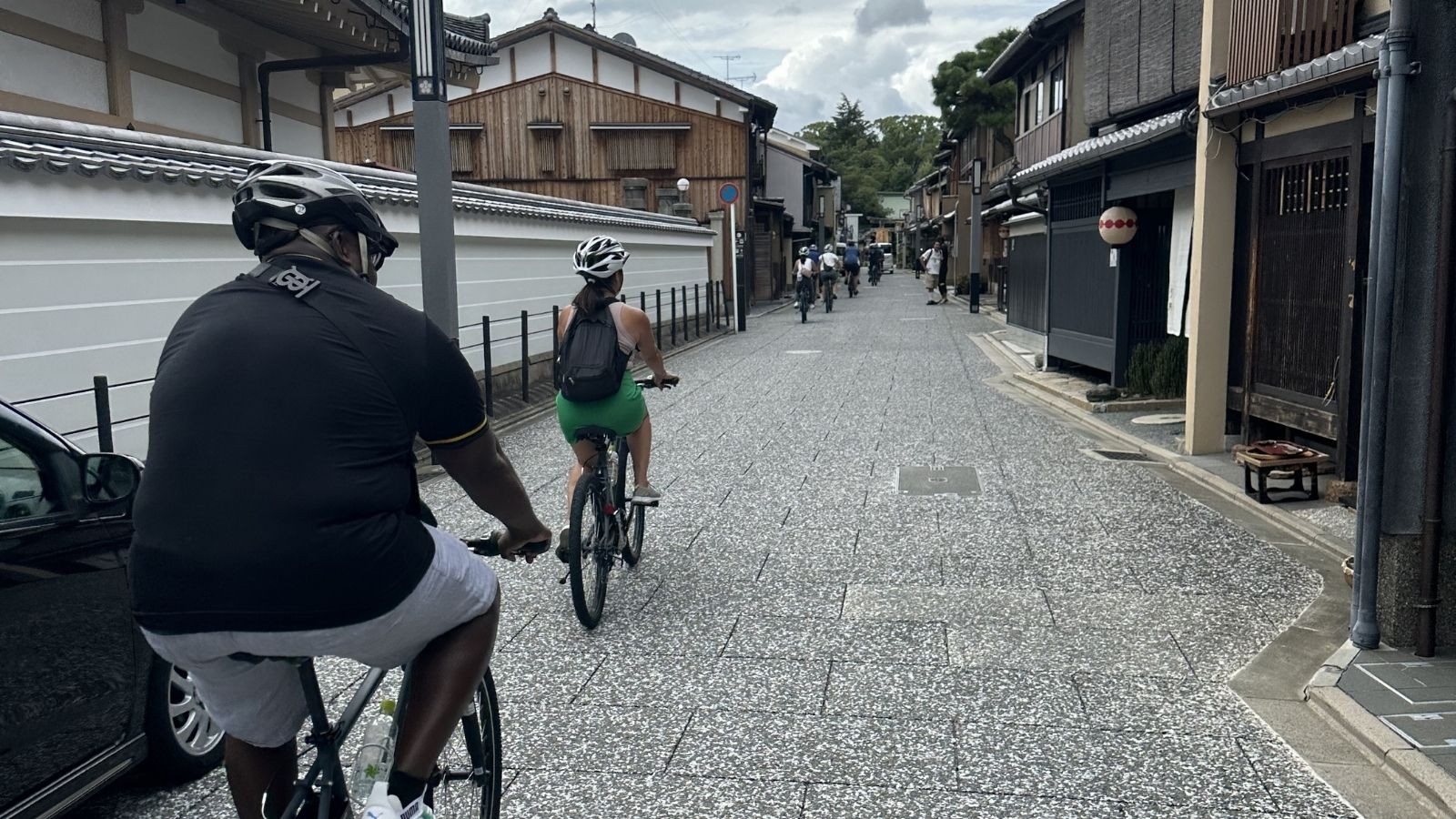
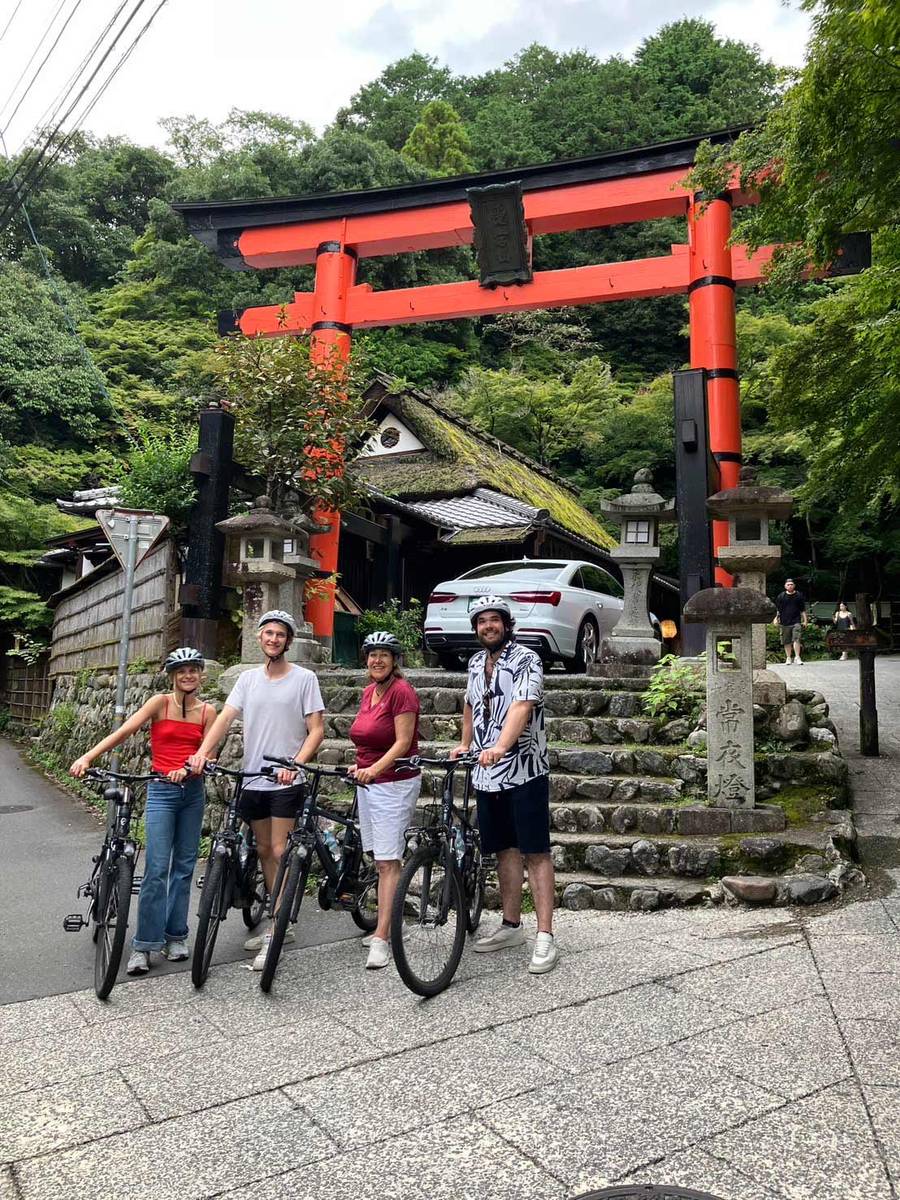
NORU leads small group tours, so everyone rides together. Eight people maximum, with one lead guide at the front.
The pace is set by the slowest rider. If someone struggles on a climb, the group waits. If someone needs to stop for a moment, the group stops. The point of the group structure is that nobody gets dropped, nobody gets lost, and nobody arrives at the next stop exhausted.
The lead guide rides ahead and signals at every turn, every traffic light, every road feature that needs attention. The guide helps you to avoid breaking local rules and etiquette, while explaining what to expect.
What surprises most first-time guests is how much local history is included in our rides. It's not constant and the guide is not talking the whole time. But we ensure that you get the context for every important landmark, as well as local history.
The stops
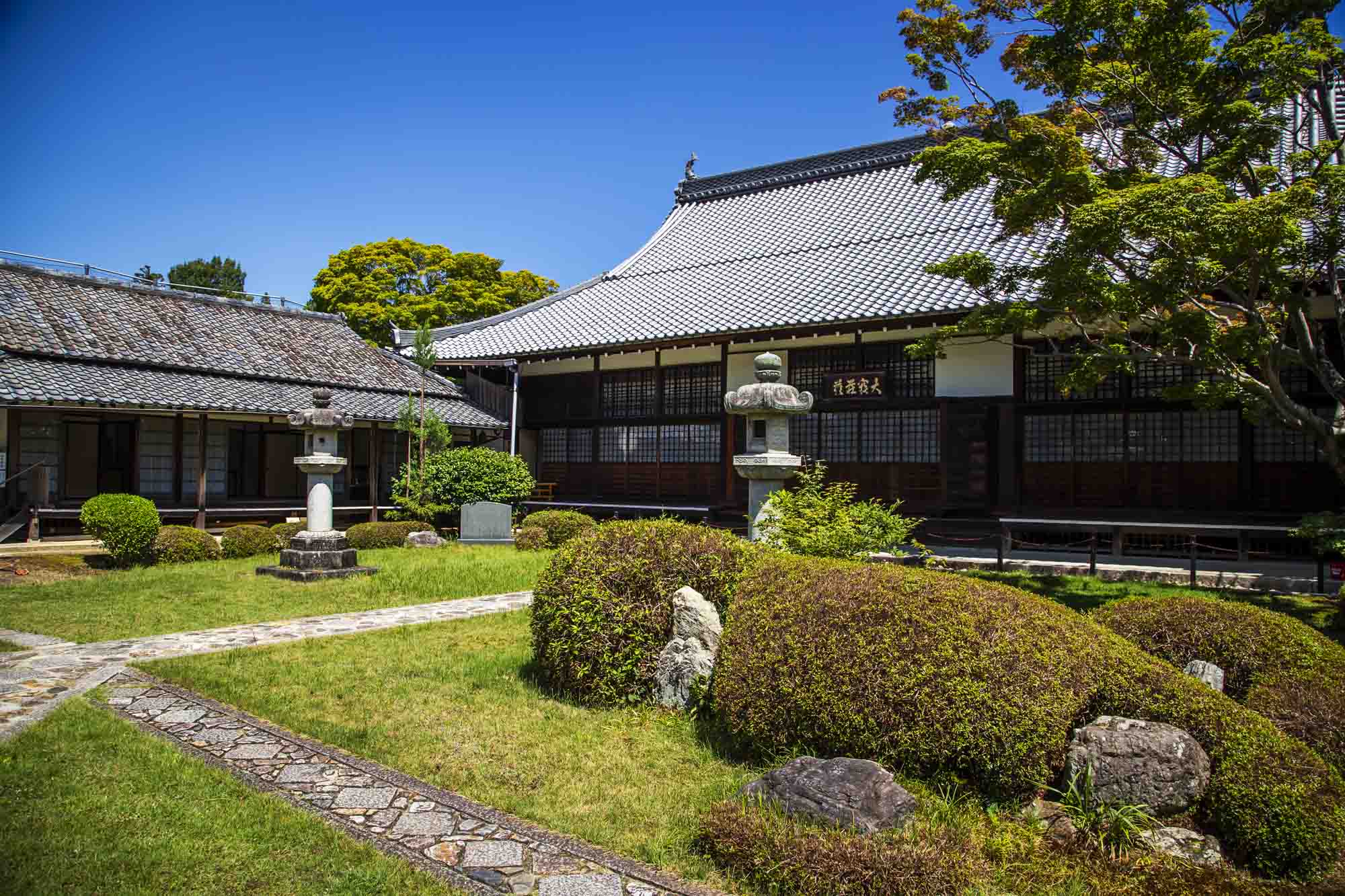
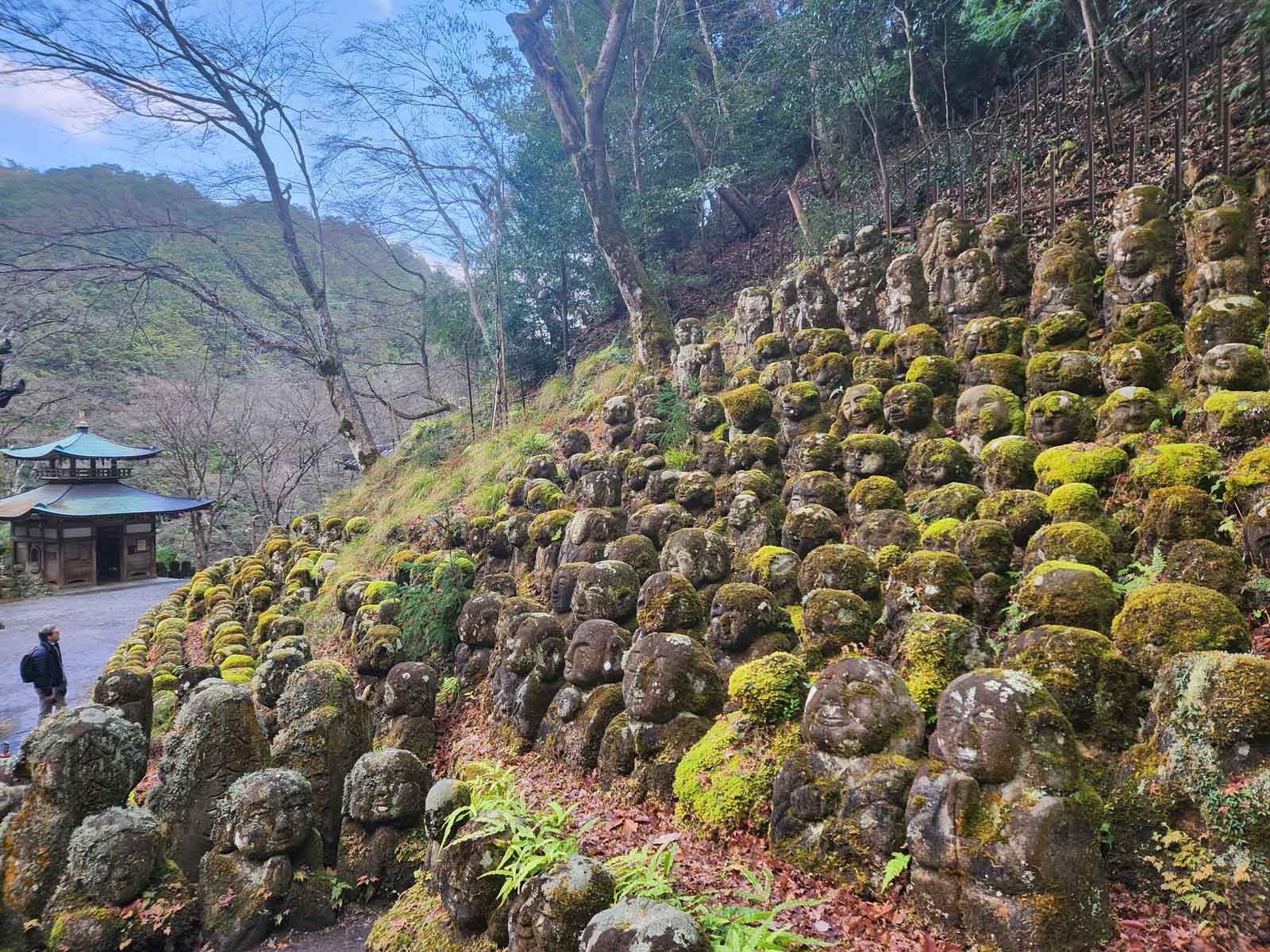
The route includes scheduled stops at temples and shrines. We pause at a few other points where the day's rhythm makes sense.
Each stop runs about thirty minutes. Not enough to lose the day's momentum, but long enough to actually see what you came to see. The guide gives a short orientation. You have free time to walk through on your own. You regroup at the bikes when the time is up.
Larger group tours often herd guests through landmarks together. We do not. You walk through at your own pace. You stop at what catches your attention.and you can skip what does not. The guide is available if you have questions but does not hover.
Lunch is part of the longer Arashiyama tour. We have a regular local stop where the staff knows us. The food there works for a wide range of dietary needs. The shorter Secret Kyoto tour includes water stops but not a full meal. The tour page for each option confirms which.
The middle of the day
Two specific moments during the ride are worth knowing about in advance. They tend to surprise first-time guests.
The gradient surprise
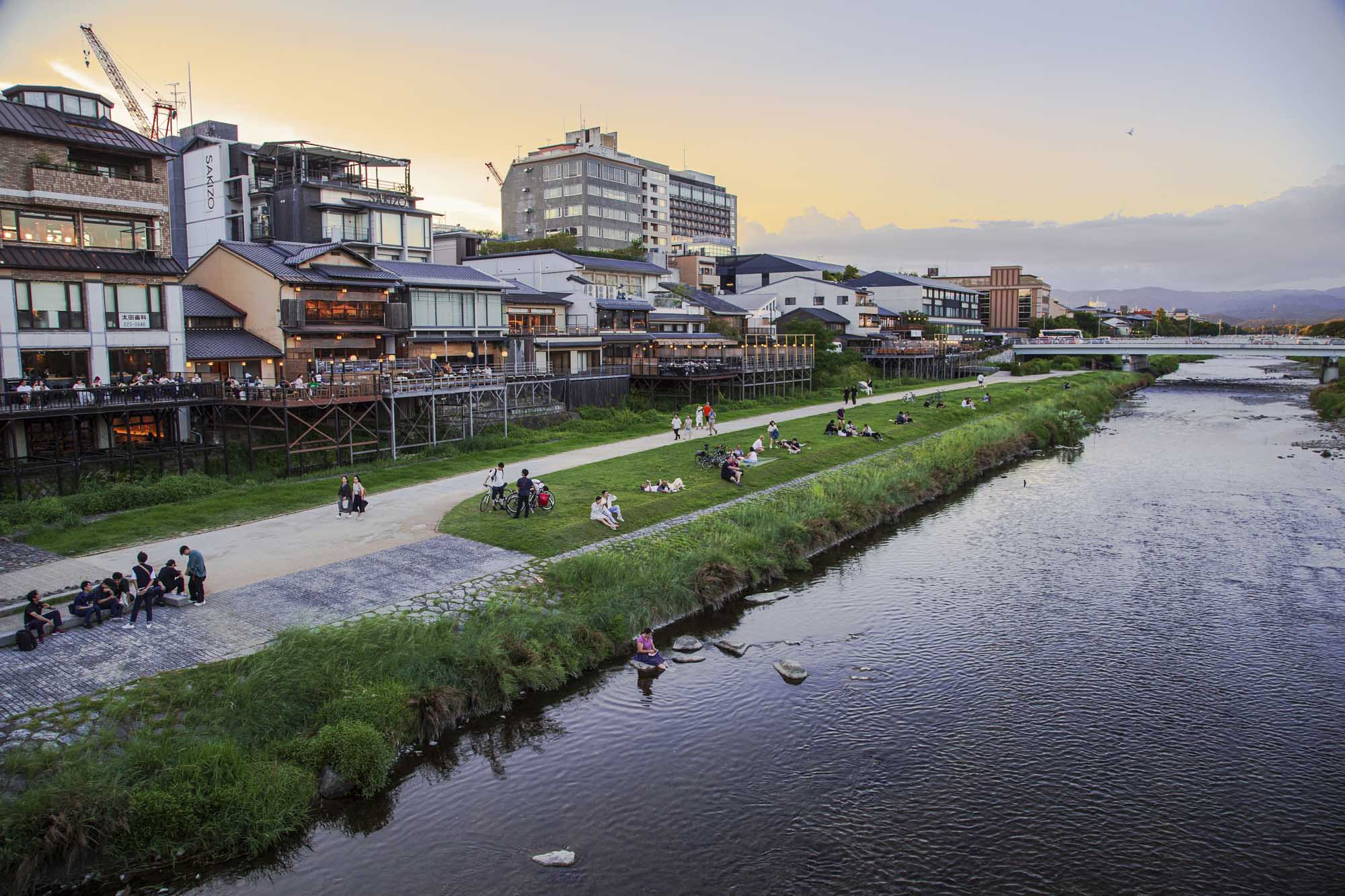
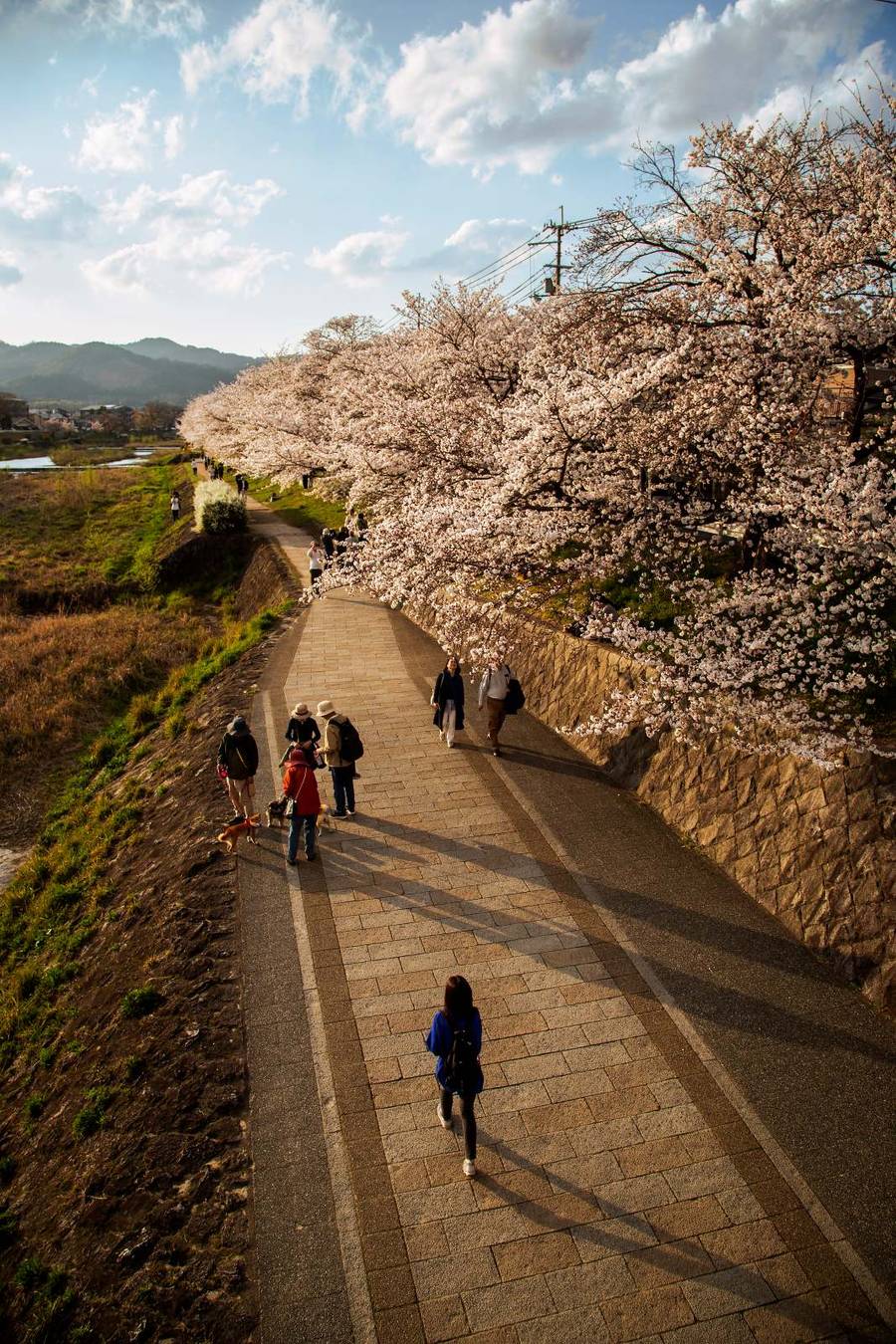
Kyoto looks flat on a map. It is not. From south to north, the road slowly rises steeper as you go. THe further nnorth you go, the steeper it gets. On a regular city bike you would be walking sections of it. On a Hurryer with the assist on, you arrive at the top with energy left. You can actually look at where you are.
The photo rhythm
People want photos. We build photo time into the stops. The guides are good at suggesting angles.
What we do not do is stop the whole group every time one person wants a quick shot. The rhythm matters. If you want photos of specific things, tell the guide at the start of the day. They will route the stops accordingly.
The End of the Tour
The tour ends back at the meeting point. You return the bike. The guide does a quick check that nothing was damaged. You collect any belongings you left in the basket. You head out.
The closing handoff is short on purpose. By the end of the tour you have been riding for almost four hours. You are pleasantly tired. You do not want a long debrief. We give you the practical post-tour information. We point you toward what makes sense for the rest of your day in Kyoto.
How to book
If this is the experience you want, the Secret Kyoto E-Biking tour is the shorter option. It runs 3 hours 45 minutes. Our Arashiyama E-Biking tour is the longer ride at a little over four hours. Both are ¥15,000 per person. Both run small groups capped at eight.
If you want a custom route on your own schedule, our private tours accommodate that.
For more on whether a Kyoto bike tour is worth it, our deeper piece on that question covers the case. For the comparison with rental cycling, our rental vs guided tour walkthrough has the cost math.
Frequently Asked Questions
The Secret Kyoto tour is 3 hours 45 minutes and covers about 14 kilometers. The Arashiyama tour is a little over 4 hours and covers about 24 kilometers. Private tours are flexible in length, typically 3 to 6 hours.
No. The e-bike assist flattens the gradient. The group pace is set by the slowest rider. If you can ride a bicycle at all, you can do this tour. The minimum age is 13.
Lunch is included on the longer Arashiyama tour. The shorter Secret Kyoto tour includes water stops but not a full meal. Check the specific tour page for details.
Less than most people expect. The Panasonic Hurryer's progressive assist means the climbs are manageable for a wide range of fitness levels. The pace follows the slowest rider. Nobody gets dropped.