Is a Kyoto Bike Tour Worth It? Real Traveler Perspectives
Here's the thing about Kyoto bike tours: they're not cheap. ¥15,000 is about the same as two nights at a decent hostel or a really nice kaiseki dinner. You can walk for free. Google Maps works just fine. So what are you actually paying for when you book one of these tours?
It's a fair question, and one that roughly 90 million people visiting Japan each year are asking themselves right now as they plan their Kyoto itinerary. I've read through thousands of reviews on Viator, TripAdvisor, Google, and GetYourGuide. The same themes keep coming up.
Some travelers call their bike tour the single best experience of their entire Japan trip. Others would have been happier with a ¥1,200 rental and a good map. The difference comes down to what you're actually paying for, and whether that lines up with what you want from Kyoto.
I'm going to break down what you're getting for that money, using real feedback from people who've taken these tours. Some loved it. Some didn't. Let's figure out which camp you'd fall into.
1. What Travelers Actually Say About Kyoto Bike Tours
1.1. The Consistent Themes Across 5,000+ Reviews
I spent way too much time reading Kyoto bike tour reviews. Seriously, thousands of them across Viator, TripAdvisor, Google, and GetYourGuide. Here's what people actually say when the tour is over.
"We saw places we never would have found on our own"
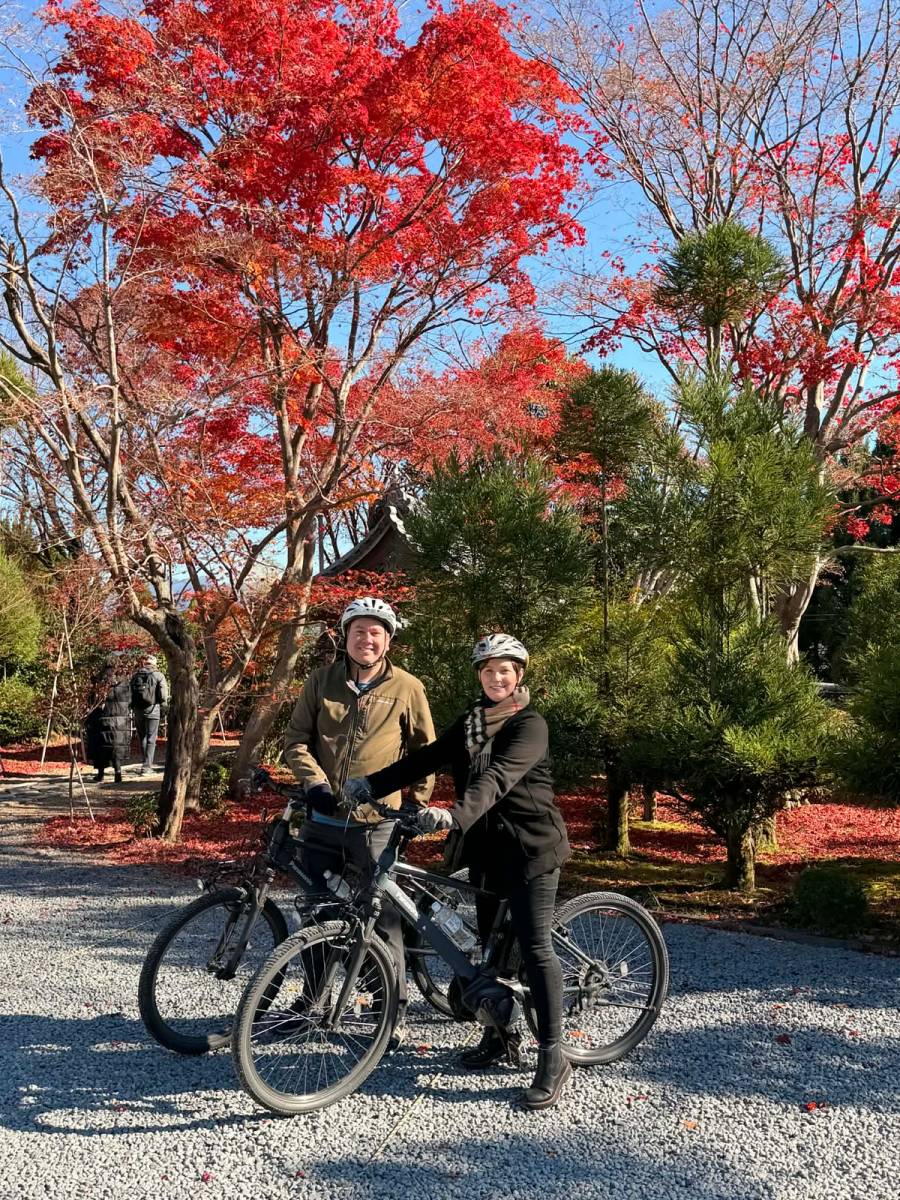
This comes up constantly. Like, in almost every positive review. People keep mentioning hidden temples, quiet residential streets, and local shops that don't show up in guidebooks.
One reviewer on Viator captured it perfectly: they spent only one day in Kyoto but felt the 3-4 hour tour showed them more of the real city than friends who spent three days walking the main tourist routes.
"The guide made it worthwhile"
This is where a good guide makes the difference. They don't just point at temples, they tell you why this particular garden was designed this way, what ceremonies happen at that neighborhood shrine each season.
Context turns a pleasant bike ride into actually understanding what you're looking at! Multiple reviewers mention feeling like they "knew so much more" by the end of the tour compared to wandering around on their own.
"It was easier than expected"
Look, most people see "bike tour" and imagine arriving at temples sweaty and exhausted. But that's not what actually happens with e-bikes. People in their 60s and 70s keep saying they completed tours "without difficulty." Families mention that e-bikes keep everyone at the same pace regardless of fitness level.
According to research comparing e-bike tours to walking tours, e-bikes reduce physical effort by up to 69% compared to regular cycling, while still providing moderate exercise benefits.

"Worth every yen"
When travelers specifically talk about the cost, most say the price-to-value ratio exceeds expectations, especially for guided e-bike tours. Several reviewers describe it as "the best single-activity investment" of their entire Japan trip. That's a strong statement when you're competing with everything from robot restaurants to Mount Fuji.
1.2. The Honest Criticisms (Because Nothing's Perfect)
"Less cycling than I expected"
Some people want a continuous ride. What you actually get is frequent stops at temples, shrines, and scenic viewpoints. If your main goal is cycling exercise rather than cultural exploration, rent a bike yourself for ¥1,200 and knock yourself out. You'll get more kilometers but miss everything that makes a guided tour valuable.
"The hills were challenging for one section"
Even with e-bikes, certain routes include climbs that require effort. Travelers who set the assist to the lowest setting or haven't cycled in years mention one particular hill being "a bit challenging." But here's the thing, most follow this up by saying the temple at the top was absolutely worth it.
"I wish it had been longer"
The most common "complaint" isn't really a complaint at all. People keep saying they wish the 3-4 hour tour was longer. That suggests the pacing and content quality create genuine engagement rather than clock-watching. Not a bad problem to have.
2. Breaking Down the Real Cost: What ¥15,000 Actually Buys
2.1. The Price-Per-Experience Calculation
Okay, let's talk about that ¥15,000 price tag. I get it—it's a lot. But here's what you're actually paying for:
What's included in a premium guided e-bike tour:
- Premium e-bike rental (worth ¥2,400+ if you rent separately)
- Helmet and safety equipment
- Expert local guide for 3-4 hours (this is the core value)
- Access to hidden locations not in guidebooks
- Temple and shrine entrance guidance
- Cultural context and historical storytelling at each stop
- Small group size (maximum 8 riders)
- Route planning and navigation
- Local food and drink recommendations
- Photography assistance at scenic spots
Most tours hit 8-12 different spots in about 4 hours. Do the math—that's roughly ¥1,250-¥1,875 per location. And you're getting cultural context at each stop, not just a photo op.
2.2. Comparing Your Options
I put together this comparison because honestly, that's what I'd want to see if I were trying to decide:
The comparison reveals something important: the price difference between a guided bike tour and trying to replicate the same experience independently isn't just the guide's expertise. It's the efficiency.
A knowledgeable local guide eliminates the time you'd spend navigating, researching sites, queuing at popular locations, and accidentally visiting temples during their closed hours. Time saved is experiences gained.
For a deeper dive into how cycling compares to other ways of seeing Kyoto, check out our complete guide to Kyoto bike tours.
2.3. The Hidden Costs of Going Solo
Self-guided cycling appears cheaper on paper, but experienced travelers mention costs that aren't immediately obvious:
Time cost. Without local knowledge, people report spending 30-45 minutes navigating to sites that a guide reaches in 10 minutes via back routes. Over a full day, this adds up to 2-3 hours of lost exploration time. That's 2-3 hours you could have spent actually experiencing Kyoto instead of staring at Google Maps.
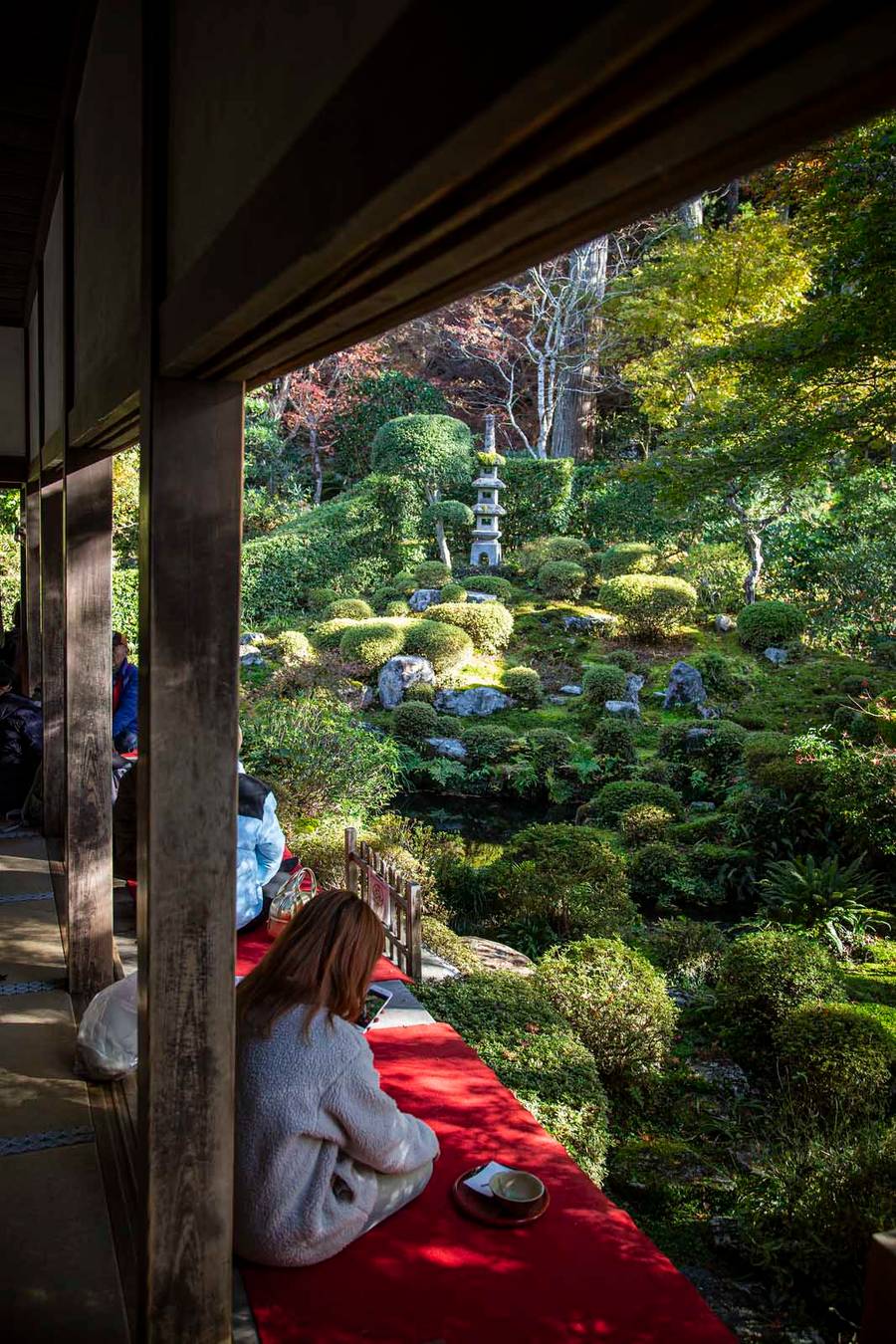
Missed opportunity cost. The hidden temples, neighborhood shrines, and local artisan workshops that define a guided tour experience? They simply aren't findable through Google Maps or guidebooks. You can't visit what you don't know exists. I've seen this repeatedly in reviews—people who've been to Kyoto multiple times still discover places they "never would have found" on guided tours.
Wrong-timing cost. Arriving at Kinkaku-ji (Golden Pavilion) at 11 AM when it's packed versus 8:30 AM when it's peaceful? Same temple, completely different experience. Guides know the timing windows. You don't.
Navigation stress cost. Kyoto's street layout can be confusing, especially in residential neighborhoods where street signs might only be in Japanese. The mental energy spent on wayfinding detracts from actually experiencing Kyoto. You're either navigating or experiencing—hard to do both well.
3. Who Gets the Most Value from a Kyoto Bike Tour
3.1. You're Visiting Kyoto for the First Time
One reviewer put it simply: they saw more of authentic Kyoto in a single morning tour than friends who spent three full days exploring independently.
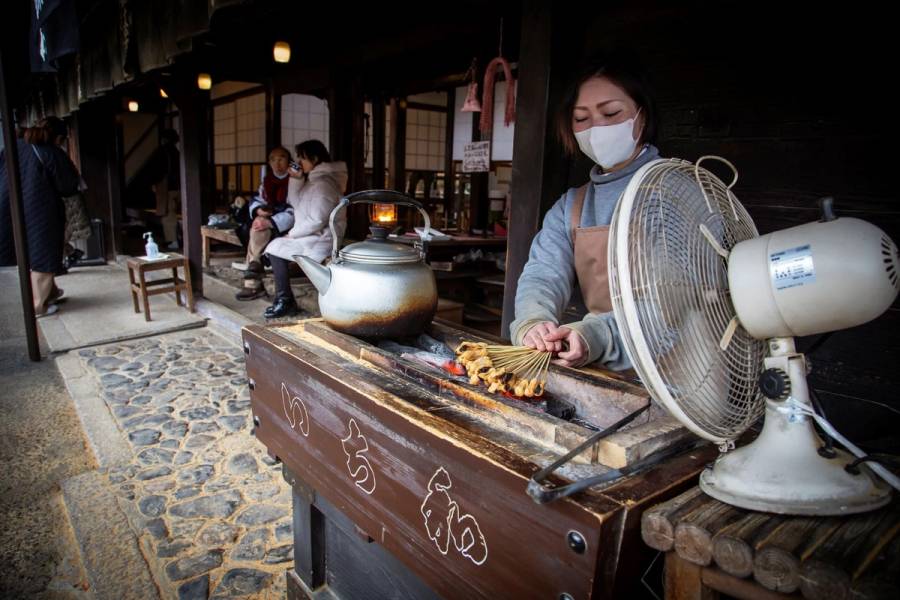
The efficiency advantage compounds with local expertise. Guides who have lived in Kyoto for years know which temples are peaceful at which times, which back streets connect scenic routes, and which local spots serve food worth stopping for. This knowledge can't be replicated by any amount of pre-trip research or TripAdvisor reviews.
NORU's founder Ross McLean has lived in Kyoto for nearly two decades, and that local knowledge shapes every tour route and story.
3.2. You've Been to Kyoto Before
Surprisingly, repeat visitors rate guided tours highly—sometimes even higher than first-timers. The reason? Even travelers who've visited Kyoto multiple times discover places they never knew existed.
One TripAdvisor reviewer specifically noted they'd been to Kyoto several times and were still shown hidden spots they'd completely missed. For experienced Kyoto visitors, a guided tour offers a different lens. Learning the stories behind familiar sites transforms the experience from recognition to understanding.
3.3. Families and Mixed-Ability Groups
E-bike tours solve the fundamental challenge of group travel: different fitness levels. An athletic twentysomething and a grandparent in their seventies can ride side by side when electric assist handles the hills.
Walking tours force the group to the pace of the slowest member. Bus tours lock everyone into a rigid schedule. E-bikes let each rider adjust their effort independently while traveling together. Read more about why e-bikes beat walking tours for mixed-ability groups.
Families with teenagers report particularly high satisfaction. The activity element keeps younger travelers engaged, while the cultural content satisfies parents' desire for educational experiences. According to reviews, kids as young as 10-13 (depending on the tour operator) successfully complete tours and genuinely enjoy them.
3.4. Photography Enthusiasts
Guides who know the city intimately understand light, timing, and framing in ways that benefit photographers. They know which temple courtyard catches golden morning light, which viewpoint frames distant pagodas against mountains, and when specific gardens are at their most photogenic.
Several reviewers specifically mention guides helping them capture memorable photos at spots they never would have found independently. One reviewer praised their guide for "somehow managing to get the perfect photo of our group at the crowded Bamboo Forest so that it looks like we were the only people there."
4. When a Bike Tour Might Not Be Worth It
Look, I'm not trying to sell you on this if it's not right for you. Here's when you should probably skip the bike tour and do something else:
4.1. You Want Complete Spontaneity
Guided tours follow a planned route. If your travel style requires the freedom to change direction on a whim, spend two hours at a single temple, or abandon sightseeing entirely for an unexpected discovery, rent a bike yourself for ¥1,200-2,400 per day.
You'll miss the hidden gems a guide reveals, but you'll gain total autonomy. Some people value that more than cultural context, and that's completely valid.
4.2. You're on a Very Tight Budget
At ¥15,000, a premium guided tour is a significant expense—especially for budget travelers. If your daily accommodation costs less than the tour price, the math probably doesn't work.
A bus day pass at ¥700 combined with careful planning can cover several major sites. You'll miss the hidden and local experiences entirely, but you'll also keep your budget intact. Check out our guide on exploring Kyoto by bicycle for self-guided options.
4.3. You Can't Ride a Bicycle
This seems obvious but needs mentioning. While e-bikes make cycling much easier, you still need basic cycling ability. If you haven't ridden a bicycle in decades and feel genuinely uncomfortable on one, a walking tour or private taxi tour will be more enjoyable.
Most tour operators require riders to be at least 13 years old and approximately 145cm (4'7") tall for safety reasons. If you're traveling with younger children, ask about private family tours that may have more flexibility.
4.4. You Only Want to See One Specific Site
If your Kyoto time is limited to a single must-see destination—say, Fushimi Inari Shrine only—a bike tour that visits multiple locations isn't the most efficient use of your time. Take the train directly and spend your hours at the site that matters most to you.
5. The E-Bike Advantage: Why It Changes the Value Equation
The shift from standard bicycles to e-bikes has fundamentally changed what Kyoto bike tours can offer. Understanding this helps explain why modern tour pricing reflects genuine value rather than markup.
5.1. Distance Becomes Opportunity
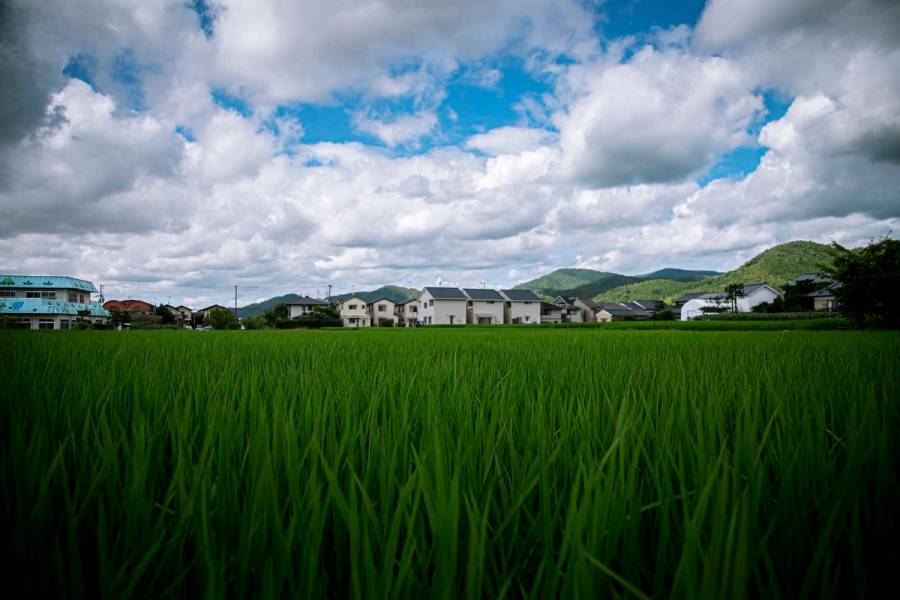
Standard bicycle tours typically cover 8-12 kilometers. E-bike tours cover 14-24 kilometers in the same timeframe with less physical effort. This isn't just about going farther—it's about connecting districts that are impossible to link on foot or by standard bike in a half-day.
NORU's Secret Kyoto E-Biking Tour covers 14 kilometers in under 4 hours, threading through hidden corners of the city that standard tours can't reach. The Arashiyama E-Biking Tour pushes to 24 kilometers, venturing far beyond the famous bamboo grove to discover what lies behind the tourist facade.
5.2. Hills Become Irrelevant
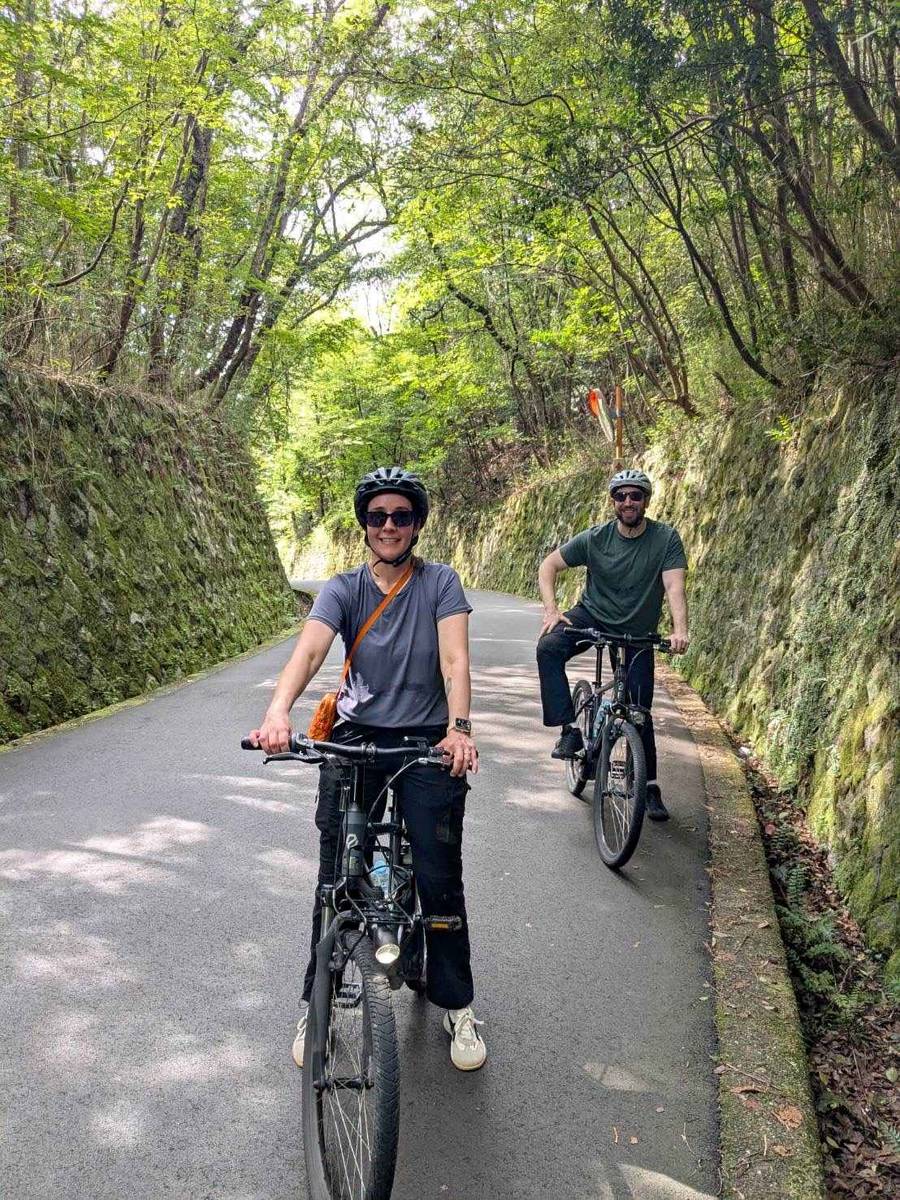
Kyoto's most rewarding temples sit on hillsides. Without electric assist, reaching them means arriving exhausted—hardly ideal for appreciating a centuries-old Zen garden. E-bikes eliminate the choice between hillside temples and preserving your energy. You get both.
Travelers confirm this repeatedly in reviews. The phrase "the e-bike made the ride very easy" appears in hundreds of reviews across platforms. One reviewer noted that even with a hill that required effort, the temple at the top made it "absolutely worth it."
5.3. Everyone Arrives Ready to Explore
The energy you save on cycling goes directly into experiencing each destination. Instead of catching your breath at temple gates, you're immediately present and engaged. This subtle difference transforms the quality of the entire experience.
You're not just seeing more sites—you're experiencing each one better. That's the real value of e-bikes.
6. What Makes NORU Kyoto Bike Tours Worth Choosing?
Not all bike tours deliver equal value. The difference between a memorable experience and a forgettable one often comes down to these factors:
6.1. Local Expertise That Can't Be Replicated
The most valued tours are led by long-term Kyoto residents, not seasonal workers reading scripts. Travelers consistently rate guides higher when they share personal stories, local relationships, and the kind of intimate city knowledge that only comes from years of residency.
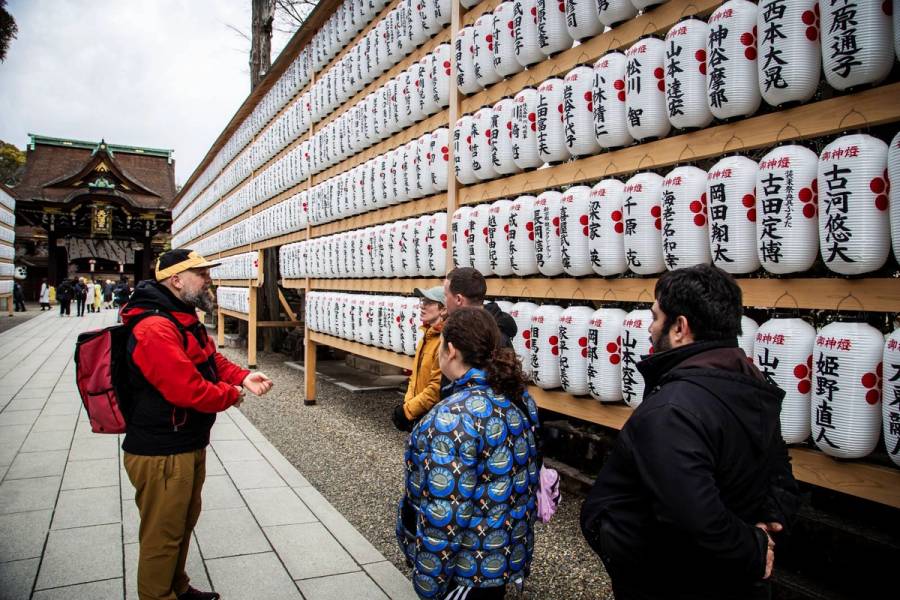
Guides who have lived in Kyoto for years know which temple gate to enter through for the best view, which tea house serves century-old recipes, and which residential streets reveal traditional architecture invisible from main roads. This depth of knowledge fundamentally shapes the experience.
You can learn more about what makes NORU different in our article on 8 reasons tourists choose NORU.
6.2. Small Group Sizes
The difference between 8 riders and 20 riders isn't just comfort—it's access. Small groups can enter narrow alleyways, pause at tiny neighborhood shrines, and receive personalized attention that large groups can't accommodate.
Several reviewers specifically mention small group sizes as a deciding factor in their satisfaction. With larger groups, you're either waiting for stragglers or rushing the people who want to linger at a particular site. Neither is ideal.
6.1. Award Recognition and Review Volume
Independent validation matters. NORU's 2025 Viator Experiences Award, earned from customer feedback across 2,000+ reviews with a 5.0 average rating, represents the kind of consistent quality that can't be manufactured. Combined with 4.9-star ratings on Google (180+ reviews) and GetYourGuide (170+ reviews), the data tells a clear story about sustained customer satisfaction.
For comparison, many competitors have 50-100 reviews total. Volume matters because it shows consistency over time, not just a few great experiences.
7. Weather and Seasonal Considerations
7.1. Best Times for Bike Tours
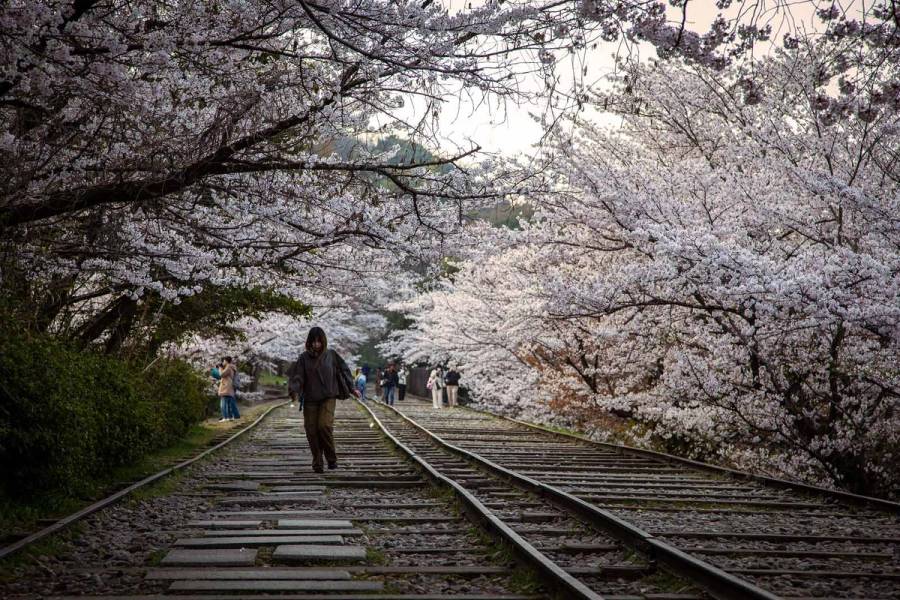
Spring (late March to early May): Cherry blossom season is stunning but crowded. Tours during this period should be booked 4-6 weeks in advance. Morning tours (before 9 AM) avoid the worst crowds.
Fall (mid-October to November): Autumn foliage rivals cherry blossoms for beauty. Same advance booking needed. The cooler temperatures make cycling particularly pleasant.
Summer (June to August): Hot and humid, but the self-generated breeze while cycling makes it manageable. Tours start earlier (7-8 AM) to beat the heat. Expect temperatures exceeding 35°C (95°F).
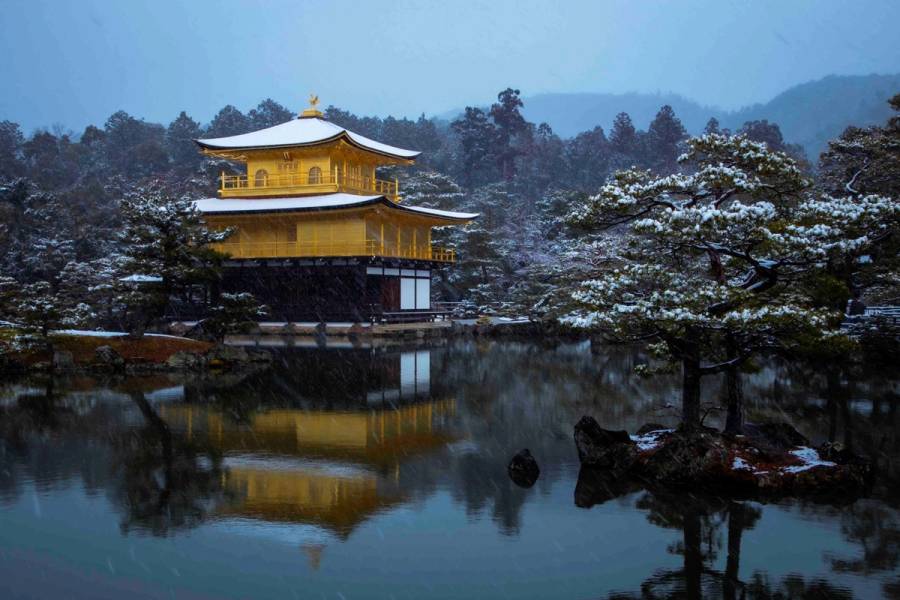
Winter (December to February): Quietest time for tourism, which means peaceful temples and better photo opportunities. Dress in layers—you'll warm up while cycling.
7.2. Rain Policies
Most reputable operators provide rain gear and continue tours in light rain—which can actually enhance the atmospheric beauty of Kyoto's temples and gardens. Heavy rain typically triggers rescheduling options or full refunds.
Always check your operator's specific cancellation policy when booking. Standard is 24-hour notice for full refund, but weather-related cancellations usually offer more flexibility.
8. Making Your Decision: A Practical Framework
Still deciding? Here's a straightforward way to evaluate whether a Kyoto bike tour belongs in your itinerary.
8.1. A guided e-bike tour is probably worth it if you:
- Have 1-3 days in Kyoto and want to maximize meaningful experiences
- Value cultural context and hidden locations over checking off famous-site lists
- Are traveling with a group of varying ages or fitness levels
- Want someone else to handle logistics, navigation, and timing
- Prefer authentic local experiences over standard tourist routes
- Haven't cycled Kyoto before (or want to discover its hidden side)
- Enjoy learning the stories behind what you're seeing
- Want professional photography help at scenic spots
- Travel during peak seasons (cherry blossom, autumn foliage) when crowd-avoidance expertise matters
8.2. A self-guided rental is probably better if you:
- Have 4+ days in Kyoto and prefer slow, independent exploration
- Already know the city well and have specific destinations in mind
- Prioritize budget over efficiency
- Prefer complete spontaneity without a set route
- Want primarily a cycling workout rather than a cultural experience
- Speak Japanese and feel comfortable navigating independently
- Don't mind spending time researching routes and timing
8.3. Neither option suits you if you:
- Can't comfortably ride a bicycle
- Prefer air-conditioned transportation between sites
- Only want to visit one specific landmark
- Have mobility issues that make cycling difficult
Whichever option you choose, cycling Kyoto rewards preparation. For comprehensive guidance on routes, seasons, pricing, and what to pack, our complete guide to Kyoto bike tours covers everything you need to plan your perfect ride.
9. The Bottom Line
So is a Kyoto bike tour worth ¥15,000? For most travelers—yes. The data from thousands of reviews supports this conclusion.
You're not just paying to rent a bike. You're paying for:
- Local expertise that can't be replicated
- Access to hidden Kyoto that guidebooks miss
- Efficient use of limited travel time
- Cultural context that transforms sightseeing into understanding
- The ability to see more with less physical effort
But it's not right for everyone. Budget travelers, spontaneity seekers, and people who genuinely prefer independent exploration will find better value elsewhere.
The key question isn't "Is it worth it?" but "Is it worth it for you?" Consider your budget, travel style, time in Kyoto, and what you actually want from the experience. The answer becomes clear.
If you decide a guided tour aligns with your goals, explore NORU's tour options to see which route matches your interests. Whether it's discovering secret corners of Kyoto or exploring the natural beauty of Arashiyama, the right tour can transform your Kyoto experience from good to unforgettable.
Ready to explore Kyoto by bike? Contact us with questions or browse our tours to find your perfect Kyoto cycling adventure.
Frequently Asked Questions
For most travelers, yes. Reviews from 5,000+ travelers show guided e-bike tours (typically ¥15,000) deliver strong value through expert local guides, access to hidden temples tourists never find independently, and efficiency. Covering 8-12 unique locations in 3-4 hours with cultural context at each stop. At approximately ¥1,250 per experience, many describe it as their best single investment in Japan. However, budget travelers with 4+ days in Kyoto may prefer self-guided rentals at ¥1,200-2,400 daily. The value depends on your priorities: cultural depth and efficiency versus budget and spontaneity.
Premium guided e-bike tours in Kyoto cost ¥15,000 per person for 3-4 hour experiences. This includes a high-quality e-bike, helmet, expert local guide, small group size (maximum 8 riders), and visits to 8-12 locations including hidden temples. Budget options exist: self-guided bike rentals cost ¥1,200-2,400 per day, walking tours run ¥5,000-8,000, and bus day passes cost just ¥700. Full-day tours (7-8 hours) covering 5+ major sites typically cost ¥25,000 and include lunch. Private family tours start around ¥65,000 for groups.
Yes, Kyoto bike tours are safe for beginners and families. Kyoto is one of Japan's most bicycle-friendly cities, with drivers accustomed to sharing roads with cyclists. Tour operators provide helmets and safety equipment, use quiet backstreets with minimal traffic, and guides manage group safety at intersections. E-bikes require only basic cycling ability, no fitness level needed. Age requirements vary: most tours require riders be 13+ years old and 145cm (4'9") tall. Family-specific tours accommodate younger children with child seats or tag-alongs. Travelers aged 60-70+ have successfully complete tours.
E-bike tours cover 14-24 kilometers versus 8-12 kilometers for regular bike tours in the same timeframe, with significantly less physical effort. Electric pedal-assist reduces exertion by up to 69%, making Kyoto's hillside temples accessible without arriving exhausted. This means e-bike tours can connect multiple districts (like Arashiyama to central Kyoto) impossible on standard bikes in half-day tours. Travelers in their 60s-70s and mixed-ability families particularly benefit. Everyone rides together regardless of fitness level. Regular bike tours suit fitness enthusiasts wanting exercise, while e-bikes prioritize experiencing more destinations comfortably.