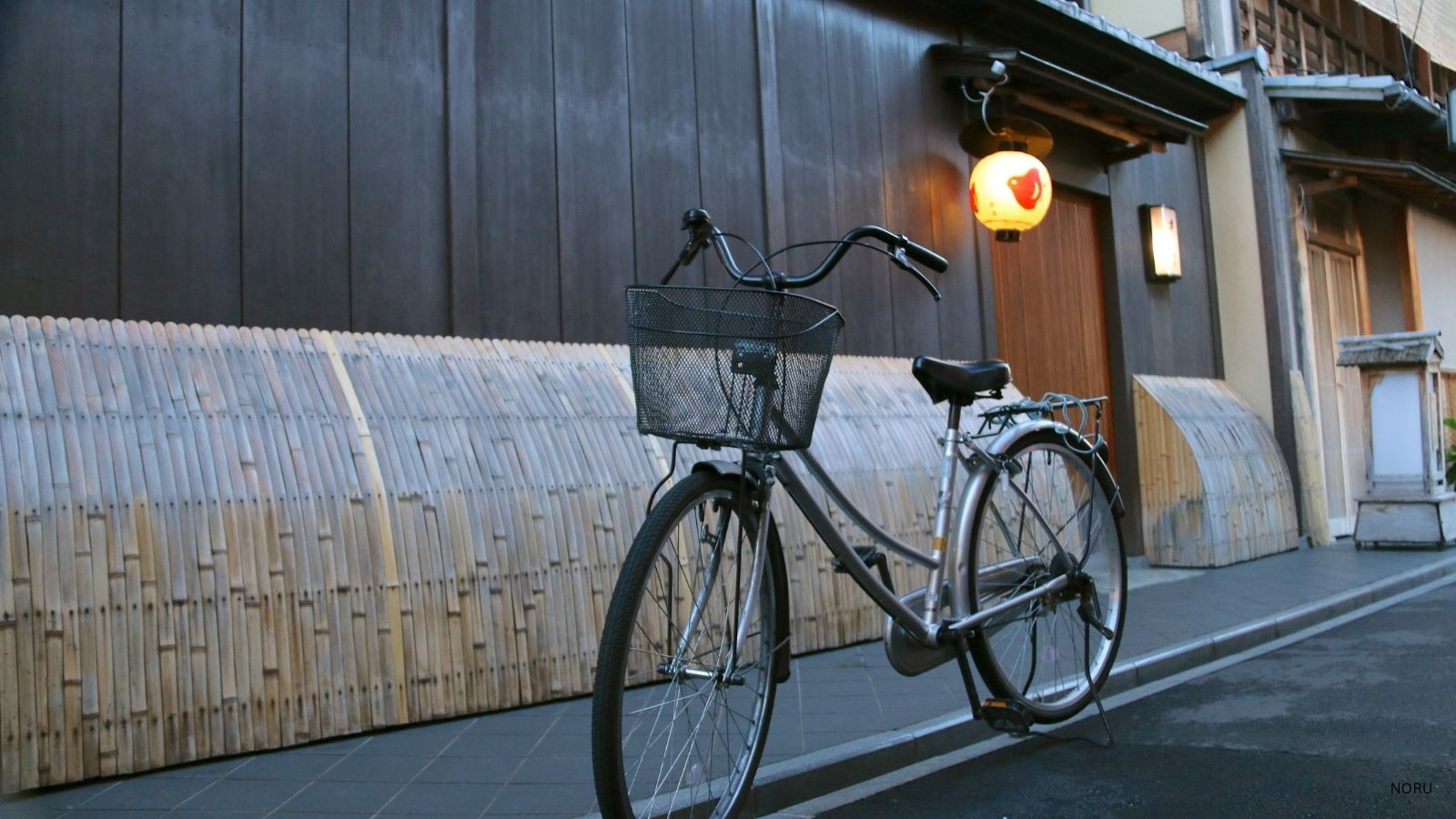
Complete Guide to the 8 Charms of Exploring Kyoto by Bicycle
NORU Kyoto Bike Tours was started because of the core belief that "Kyoto is best experienced while riding a bicycle." This ethos lies in the heart of promoting sustainable tourism, eco-tourism, and helping to protect Kyoto from the pitfalls of modern overtourism trends.
This article outlines 8-key reasons why Japan's ancient capital is best enjoyed on the back of a bicycle. We hope that this article will encourage you to join us on a Kyoto bike tour together!
1. Why Kyoto is Perfect for Cycling
1.1. Easy-to-Navigate Streets in a Compact City
Kyoto is one of the best cities in the world for bicycle tourism in Japan. The city is small and surrounded by mountains. Most major attractions sit within a 10km circle from the center. You can visit famous places like Kiyomizu-dera Temple, Fushimi Inari Shrine, Arashiyama's bamboo forest, and Kinkaku-ji Temple all in one day by bike.
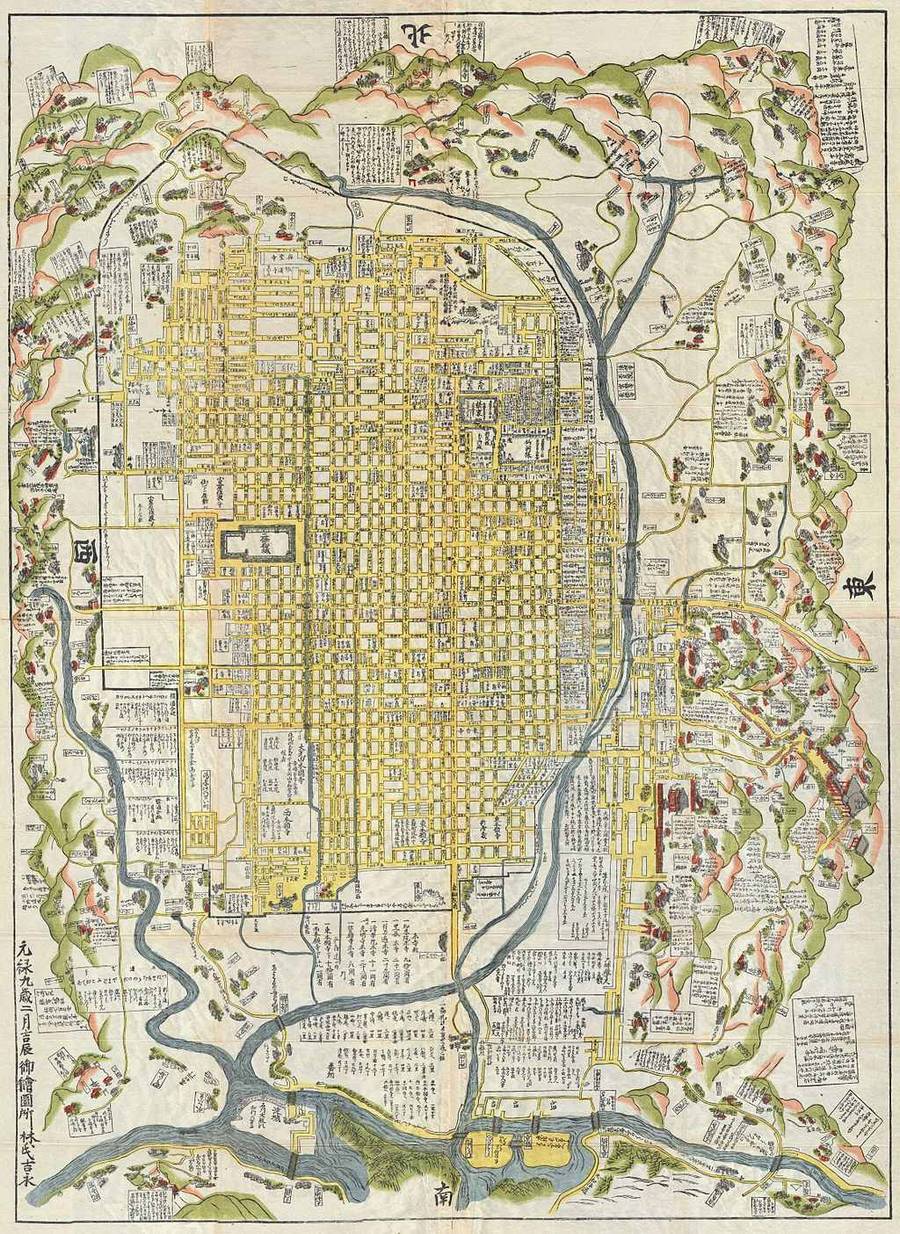
Kyoto's street design makes cycling even better. The city was built during the Heian period with a grid pattern. North-south streets cross east-west avenues at right angles. This makes it almost impossible to get lost. Bus tours and walking miss many small routes.
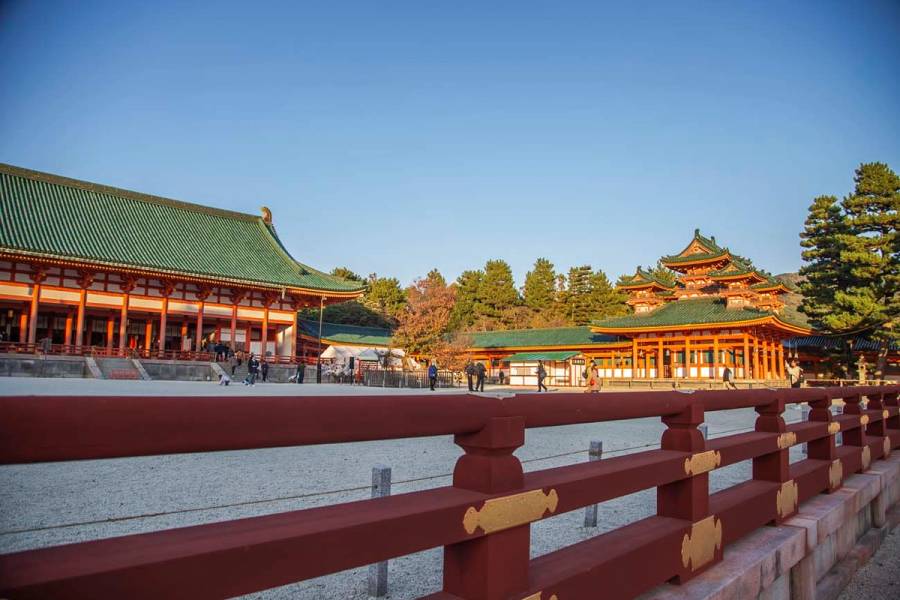
But on a bicycle, you can explore narrow alleys freely. Even if you're new to cycling, you can follow a map or just ride around and find your way easily. Travel guides say this compact, organized layout is the main reason Kyoto works so well for cycling [1].
1.2. Flat Roads and Good Bike Lanes
Kyoto has excellent bike infrastructure. Major roads have blue bike lanes with arrow markings. These lanes keep cyclists safe from car traffic. The city also has many bike parking areas near tourist spots.
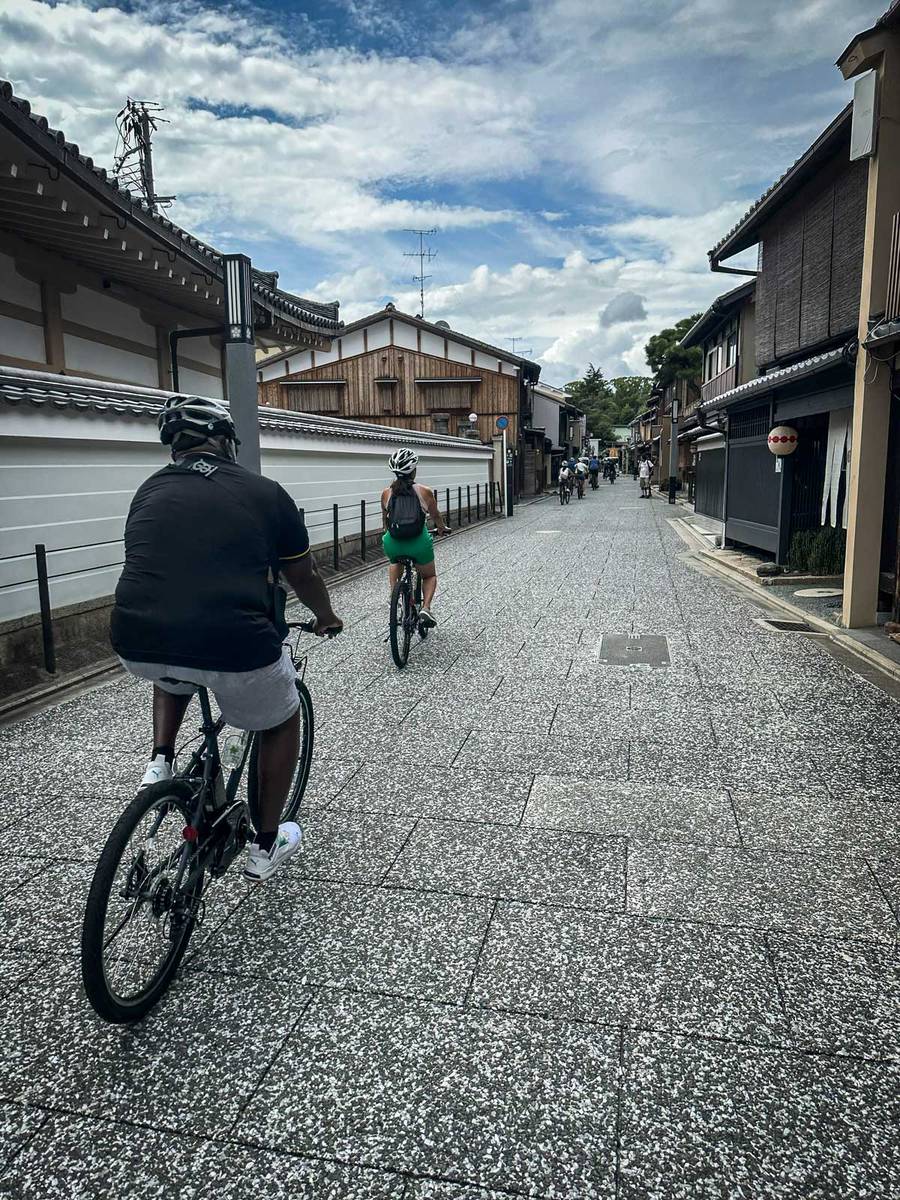
The city center is mostly flat. The mountains around Kyoto protect the inner city from steep hills. If you're worried about your fitness level, just book with NORU Kyoto Bike Tours, where you can cruise the Kyoto backstreets like a local on one of our electric bicycles. Check out our Secret Kyoto Bike Tour! We'll help you to follow local traffic rules so you can safely enjoy cycling in Kyoto.
2. Experience Local Life and Support Eco-Tourism
2.1. How 920,000 Bicycles Shape Daily Life in Kyoto
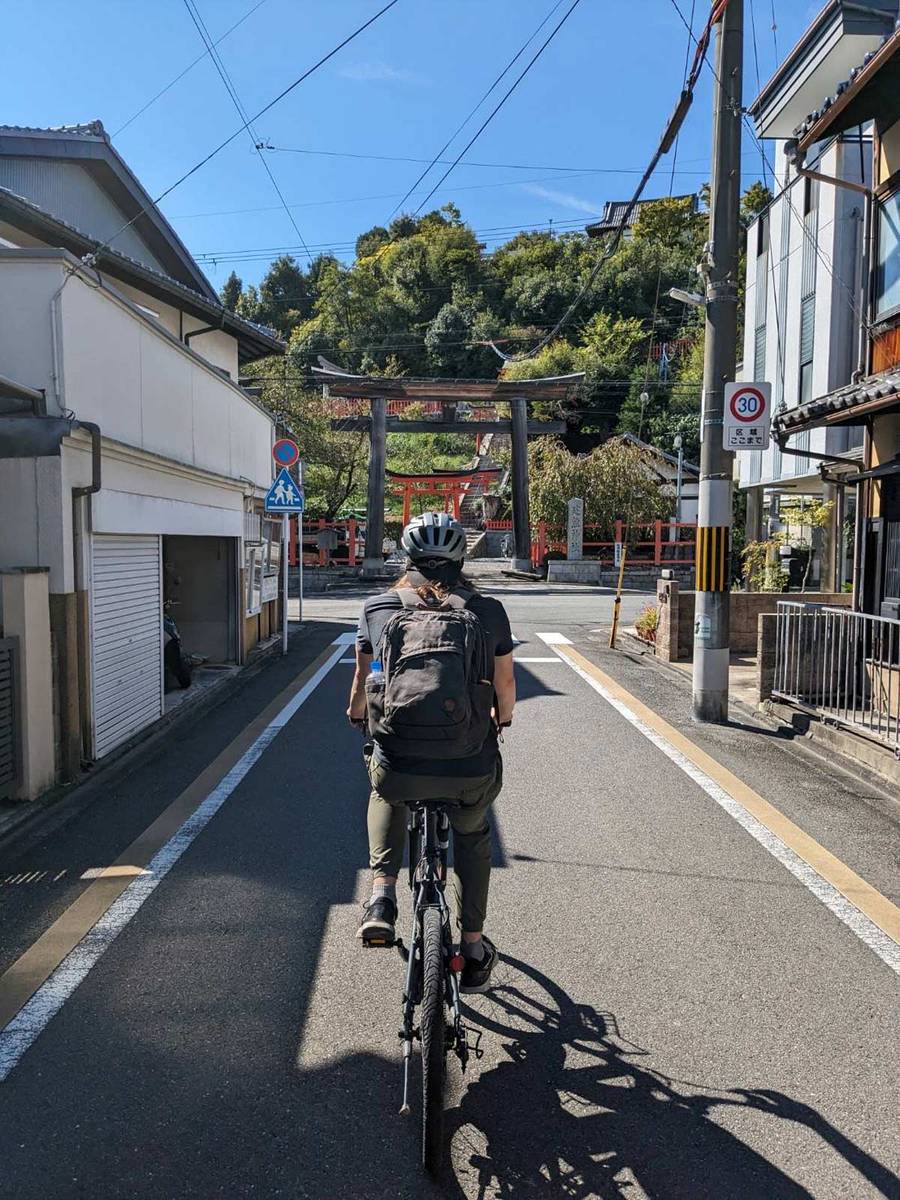
One surprising thing about Kyoto is how many bicycles you see everywhere. Local residents own about 920,000 bikes. People of all ages use bicycles as their main way to get around. During morning and evening rush hours, streams of cyclists fill the streets. When tourists join this flow, they experience the real Kyoto that most visitors miss.
Cycling makes you feel like a temporary local, not just a tourist. You ride the same routes as students going to class. You stop at small cafes where locals grab coffee. You pass through shopping streets where families do their daily shopping.
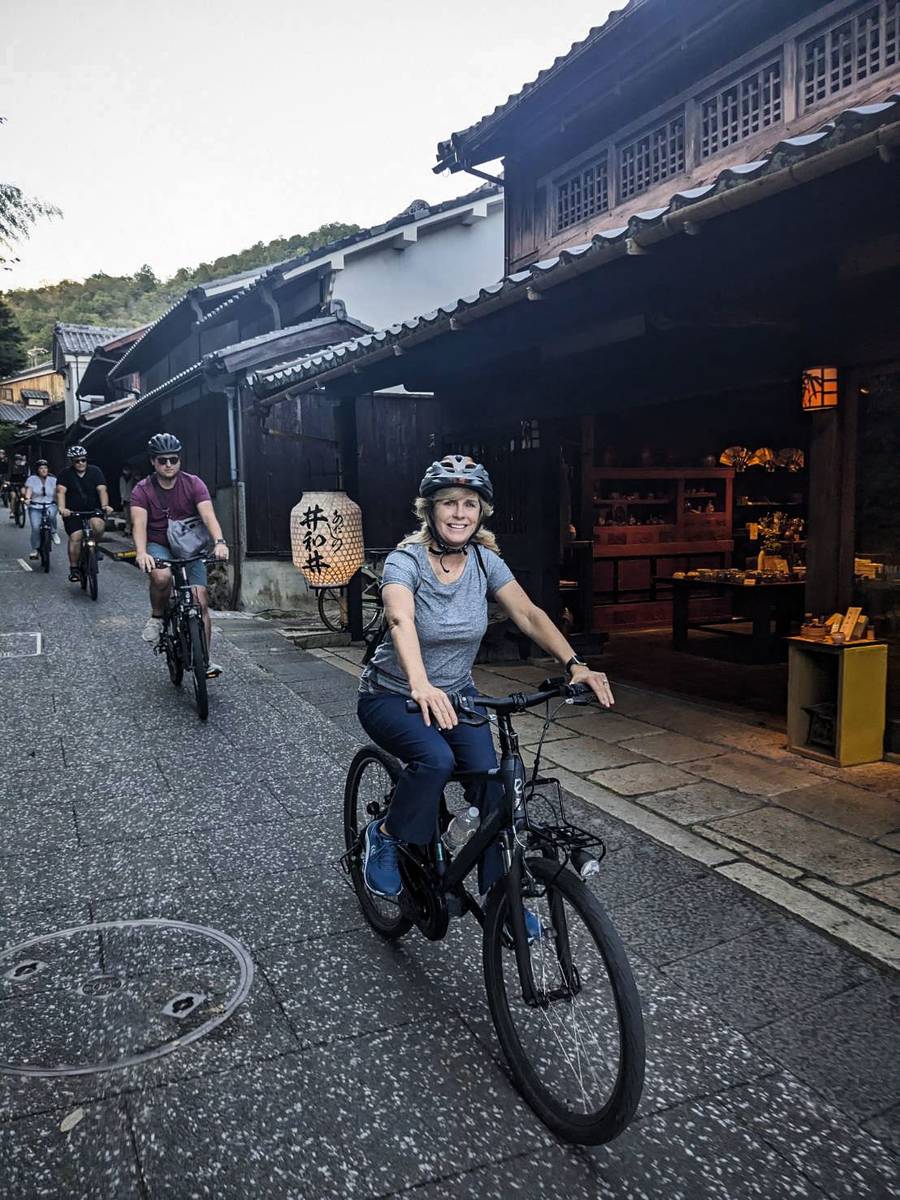
These everyday moments show you Kyoto's true character. This makes your visit more authentic and supports eco-tourism by reducing your environmental impact. Kyoto's official tourism guide says this connection with local culture is the biggest benefit of Kyoto bike tours [2]!
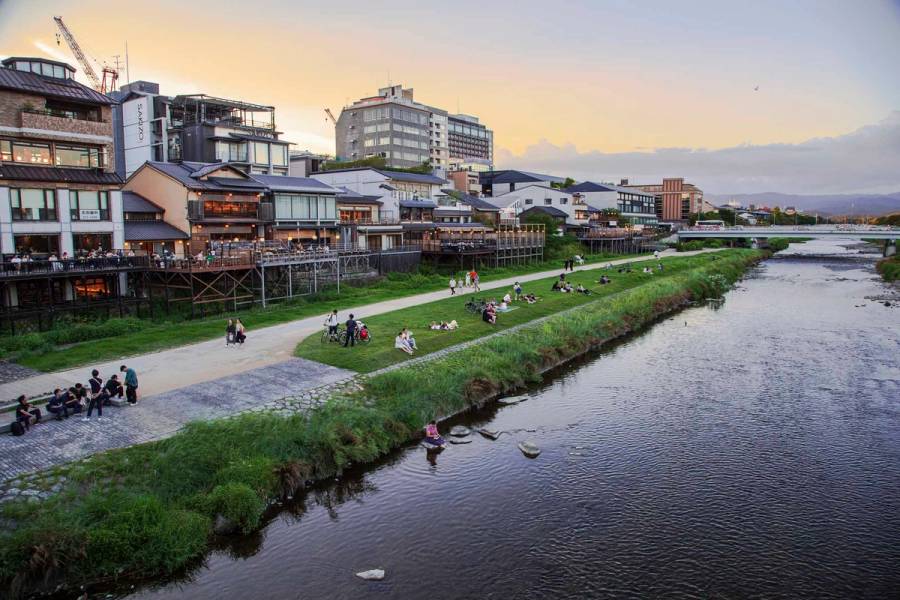
2.2. Enjoy Riverside Paths and Avoid the Kyoto Crowds
The Kamogawa River area shows you Kyoto's daily life. The riverside bike paths let you watch locals jogging, having picnics, and talking with friends. Most Kyoto residents consider anywhere within a 30-minute bike ride as their neighborhood. When you ride these paths, you stop being just another tourist. You become part of the city's rhythm.
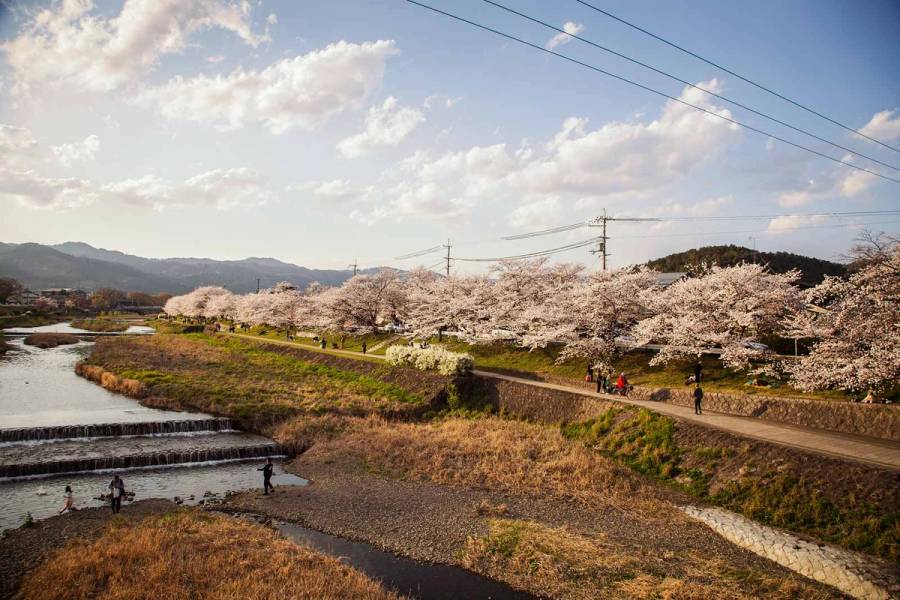
Bicycle tourism also helps solve Kyoto's overcrowding problem. Big tour buses always go to the same famous spots, creating crowds and pollution. Check out the crowds at Kiyomizu-dera Temple and see what bicycle touring will avoid!
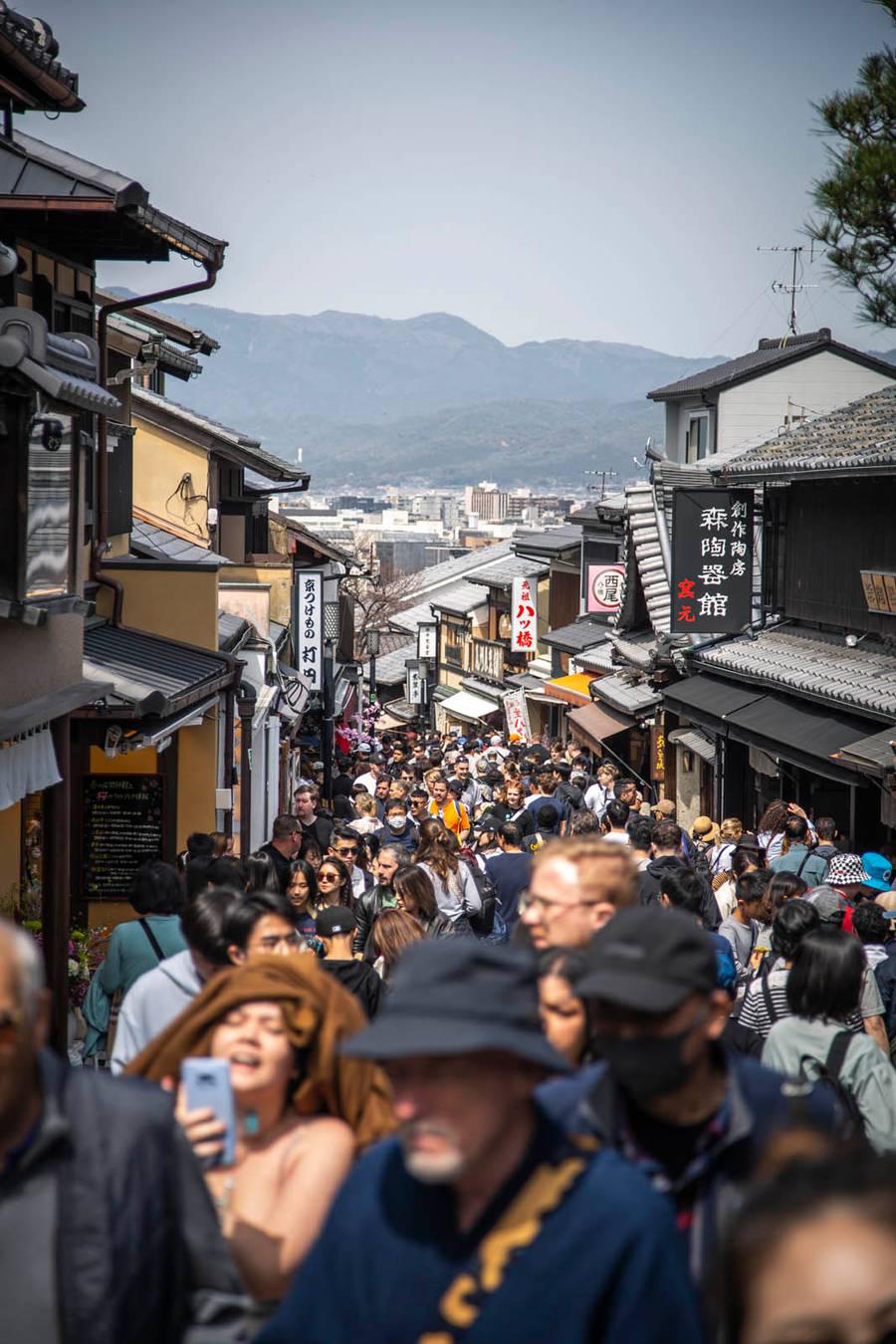
Cyclists can move at their own pace and AVOID packed areas. You can explore places where tour buses never go — quiet temples, residential streets, and small local shrines. Electric bikes let people of any fitness level cover more ground. This spreads tourism across the whole city instead of crushing a few popular spots. By following traffic rules and choosing eco-tourism through cycling, you help protect Kyoto while enjoying a better experience.
3. Discovering Hidden Places and Seasonal Beauty
3.1. Finding Secret Spots Only Cyclists See
The best part of cycling in Kyoto is discovering places by chance. Bicycles let you turn down any side street that looks interesting. Discover old townhouse down charming backstreets. These places don't advertise. They're hidden gems that guidebooks never mention.
Riding the Kamogawa riverside paths, you hear temple bells and catch sounds of daily life from old houses. This eco-tourism approach through cycling lets you experience Kyoto with all five senses—smells, sounds, temperature, and light—in ways that bus windows block completely [3].
3.2. Enjoying Four Distinct Seasons
Kyoto's seasons are dramatic. Spring brings cherry blossoms along the Kamogawa River. Petals dance in the breeze and float on the water. Cycling through this scene while breathing in the flower scent creates unforgettable memories. In early spring, the smell of plum blossoms makes you naturally slow down to enjoy it longer.
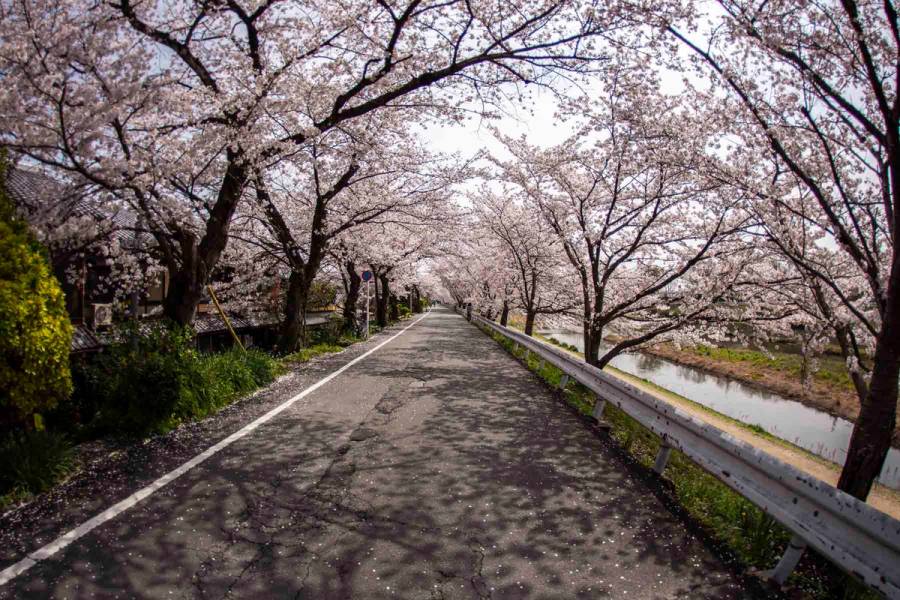
Summer in Kyoto can be hot, but river breezes help. Starting your ride around 6am feels like living as a local. Before tourists arrive, you have the quiet streets to yourself. Only the river's gentle sound breaks the silence. Autumn makes hidden fall color spots easy to reach. Small temples along the Philosophers' Path offer peaceful autumn views without crowds. In Saikyō district, mountains reflect in rivers, and you feel the seasons change around you.
Winter sees far fewer tourists. The whole city feels like it belongs to locals again. Temple gardens covered in snow become almost private. Arashiyama's bamboo grove looks magical on winter mornings. Riding to quiet temples in the northern hills when everything is snow-covered and silent—these experiences at cycling speed show you Kyoto's real character. This form of eco-tourism respects the seasons and environment. By following traffic rules and exploring different areas, you discover what makes Kyoto special.
4. Practical Tips and Tour Options
4.1. Choosing Your Bike and Getting Started
When you start cycling in Kyoto, first pick the right bike type:
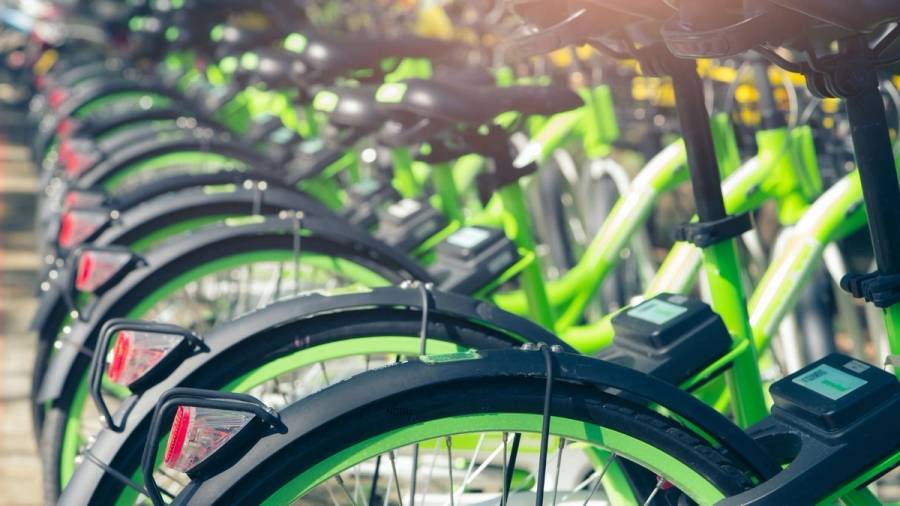
- City bikes (regular bicycles) work well for casual rides around town. They have upright handlebars and comfortable seats for short trips.
- Electric-assist bikes are perfect if you worry about getting tired. They make hills feel flat and help you ride longer distances. This is what we offer at NORU Kyoto Bike Tours!
- Sports bikes (road bikes and mountain bikes) suit people who want to ride fast and cover more ground. Rental shops near Kyoto Station charge ¥1,200-2,400 ($8-16) per day.
Traffic rules are simple but important. Bikes belong on the road, not the sidewalk (unless you go very slowly). Don't park in no-parking zones or your bike might get towed! Following these basic rules makes cycling safe and pleasant [4]. This eco-tourism choice supports the city's sustainability goals while giving you freedom to explore.
4.2. Guided Tours vs. Independent Riding
Cycling alone is great, but guided tours offer something different. Small tour companies like NORU Kyoto limit groups to just 8 people. This means personal attention from the guide. These tours visit hidden spots that cover 60-70% of places tourists never see. They take you to artisan workshops and local cafes that aren't in any guidebook. Tours provide electric bikes, so everyone rides together regardless of fitness level.
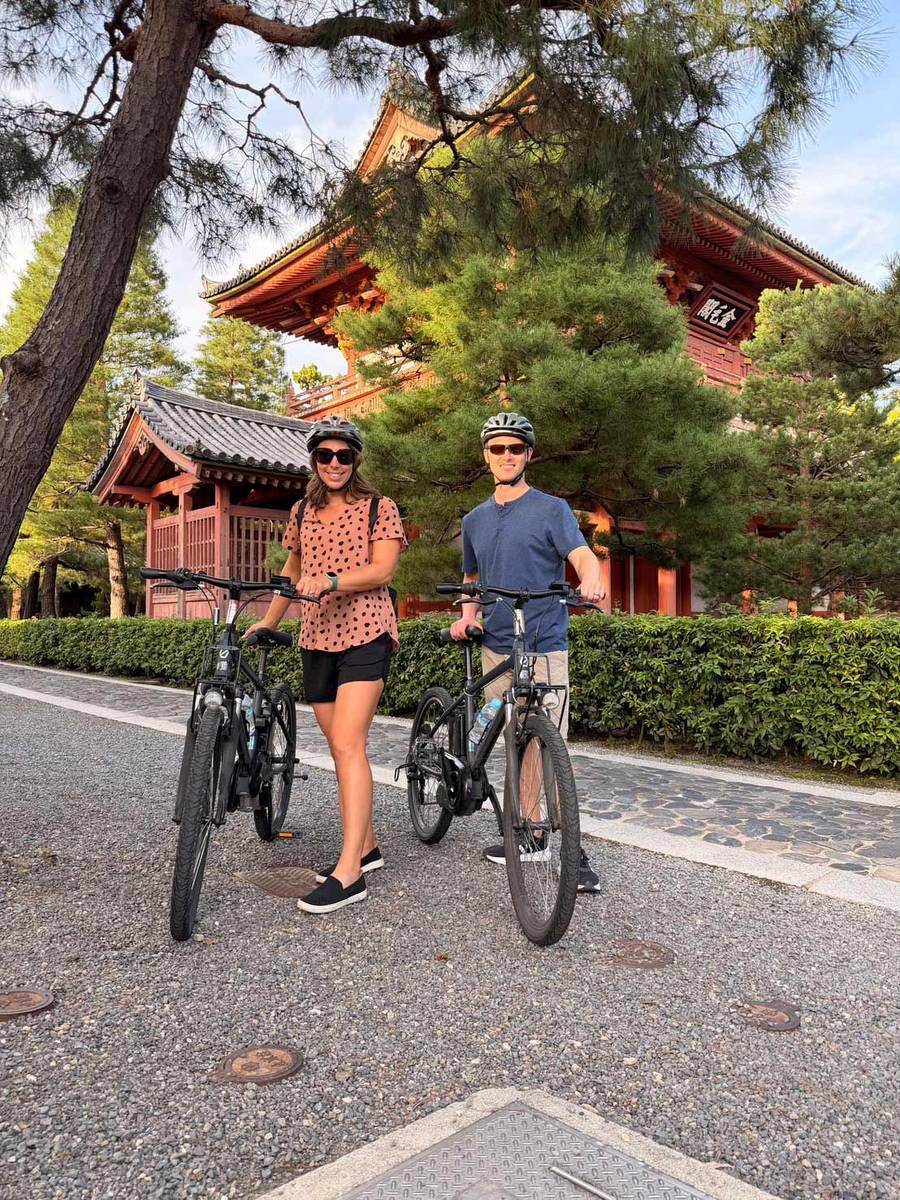
The best guides have lived in Kyoto for 10-20 years. They know seasonal secrets not in any book. They have friendly relationships with local shop owners. Tours starting at 9am avoid 70-80% of the crowd. You experience Kyoto in peace and quiet. If you're new to cycling tourism, try one guided tour first. You'll learn tips for exploring on your own later. Experienced cyclists can mix guided tours with solo rides each season to keep discovering new places. This approach to eco-tourism increases your awareness of the city's needs. Whether you ride alone or with a guide, cycling offers the freedom to shape your own Kyoto experience.
5. Summary
Exploring Kyoto by bicycle gives you a deeper experience than any other transportation method. The city's grid-pattern streets, flat terrain, and excellent bike infrastructure make it perfect for cycling. When you join the 920,000 local bikes on the road, you see Kyoto through residents' eyes. You discover hidden workshops, local cafes, and quiet temples that tour buses never visit.
Each season offers different beauty—spring cherry blossoms, summer river breezes, autumn colors, and winter snow. You can rent a regular bike, electric bike, or sports bike for ¥1,200-2,400 per day. Ride independently or join a small guided tour to learn from local experts. Either way, cycling gives you the freedom to explore at your own pace while practicing eco-tourism.
By choosing this sustainable, low-impact way to travel, you help protect Kyoto for future visitors. You support local businesses, reduce pollution, and experience the authentic culture that makes this city special. Bicycle tourism in Kyoto shows that the best travel is both enriching for you and respectful of the places you visit.
References
[1] Kyoto Tourism by Rental Bicycle is Convenient! Charms of Bicycle Tourism and Rules/Manners You Should Know - LIVE JAPAN (Japan Travel, Tourism & Experience Guide) (Position 1): https://livejapan.com/ja/in-kansai/in-pref-kyoto/in-gion_kawaramachi_kiyomizu-dera-temple/article-a2000766/
[2] Kyoto Bicycle Tourism Guide | [Kyoto City Official] Kyoto Tourism Navi (Position 2): https://ja.kyoto.travel/bicycle/
[3] Cycling Kyoto | Let's Go to Kyoto. (Position 3): https://souda-kyoto.jp/guide/theme/cycling_kyoto/index.html
[4] Complete Kyoto Cycling Guide | Recommended Routes & Hidden Spots Safe for Beginners | Activity Japan (Position 4): https://activityjapan.com/feature/kyoto-cycling/
[5] Event Report | EXPO KYOTO Official site (Position 5): https://expokyoto.jp/report/kyoto-prefecture/cycling.html
[6] Enjoy Kyoto's Charms Through Cycling! Keihoku Bicycle Journey (Position 1): https://tokuheian.com/cycling/
[7] Kyoto Prefecture Bicycle Utilization Promotion Plan | Kyoto Prefecture Bicycle Web (Position 1): https://ride-with-kyoto.jp/kyoto-pref/jitensha-katsuyo.html
Frequently Asked Questions
Cycling is the best way to explore Kyoto because the city's compact, grid-pattern layout makes navigation easy, and most major attractions sit within a 10km radius. With 920,000 bicycles owned by local residents, cycling connects you with authentic daily life that tour buses miss. The city center is mostly flat with dedicated bike lanes, making it accessible for all fitness levels. Electric-assist bikes eliminate any concern about hills. Cycling also supports eco-tourism by producing zero emissions while giving you the freedom to discover hidden temples, artisan workshops, and local cafes at your own pace. Unlike buses that follow fixed schedules, bicycles let you stop whenever something catches your eye and avoid crowded tourist hotspots.
The best Kyoto bike tours have small groups, expert local guides, and take you to hidden places you'd never find alone. NORU Kyoto offers top-rated Kyoto bike tours with only 8 riders per group. This means your guide can give you personal attention throughout the day. Our Kyoto bike tours include electric bikes in the price, so hills feel completely flat no matter your fitness level. Great Kyoto bike tours stand out because of their guides. NORU's guides have lived in Kyoto for decades. They know local artisan workshops and family-owned cafes personally. These connections give you experiences you can't get on your own. Morning Kyoto bike tours that start at 9am help you skip 70-80% of the crowds. You can enjoy temples and gardens in peace and quiet. Money-saving tip: Take one guided Kyoto bike tour on your first day to learn the city and find hidden spots. Then rent a bike independently on the other days using what your guide taught you. This mix gives you the best of both worlds—expert knowledge and budget-friendly freedom—while supporting eco-tourism in Japan's ancient capital.
All four seasons offer unique cycling experiences in Kyoto. Spring (March-April) is most popular when cherry blossoms line the Kamogawa River—cycling through falling petals creates unforgettable memories. Summer (June-August) requires early morning rides (around 5am) to avoid heat, but river breezes along bike paths provide natural cooling. Autumn (October-November) delivers spectacular fall colors, with hidden temples along the Philosophers' Path offering peaceful views without crowds. Winter (December-February) sees fewer tourists, letting you experience snow-covered temple gardens in near-solitude. For comfortable weather, visit during spring or autumn. Summer and winter have advantages too—summer means longer daylight hours for extended rides, while winter's quiet atmosphere reveals authentic local life without tourist crowds.
Both options have benefits depending on your experience and goals. Guided tours (like NORU Kyoto Bike Tour's small-group experiences) work best for first-time visitors or those wanting deep cultural insights. These tours limit groups to 8 people, provide electric bikes, and visit hidden spots covering 60-70% of places tourists never see. NORU Kyoto maximize both cultural understanding and personal discovery while supporting eco-tourism.