Best Time of Year for Kyoto Bike Tours: Seasonal Guide
Your friendly guide to cycling through Japan's most beautiful city, written by the team at Noru Kyoto Bike Tours.
Getting Started: Kyoto Cycling Essentials
Why Cycling Works So Well Here
Kyoto welcomed around 8 million international visitors in 2024, bouncing back to 95% of pre-pandemic levels [1]. And here's what many discover after they arrive: the best way to see Kyoto city is by bicycle. You're fast enough to cover ground, slow enough to notice details, and free to stop whenever something catches your eye.
The bike rental scene is excellent and it is possible to independently rent bicycles to tour Kyoto. However, many first-time visitors discover that guided e-bike tours offer better value when you factor in the navigation, local expertise, and included insurance. Noru Kyoto's tours (¥15,000 for 3.75-4 hours) include premium e-bikes, expert local guides, insurance, and routes that avoid tourist congestion—essentially a complete experience rather than just bike rental.
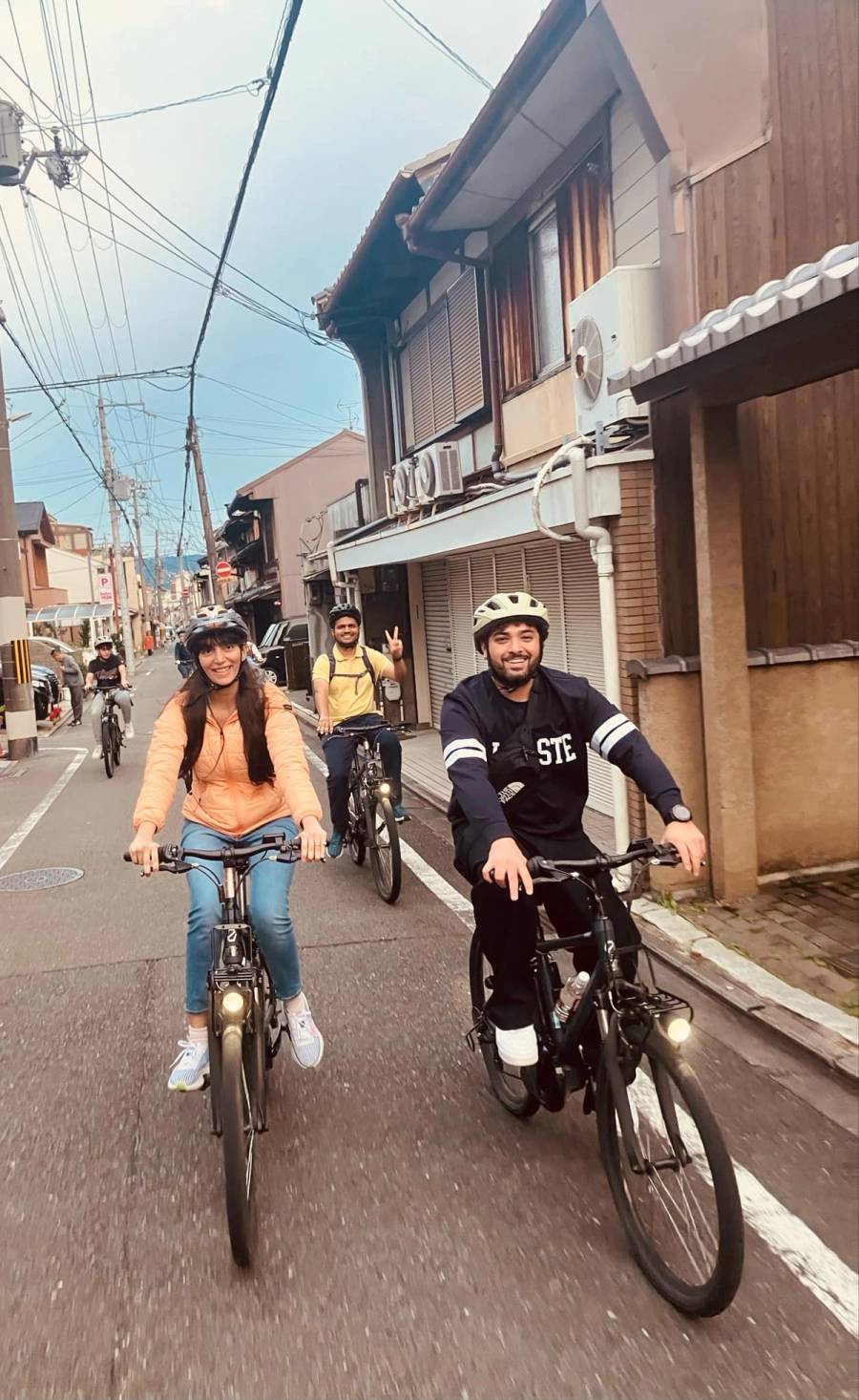
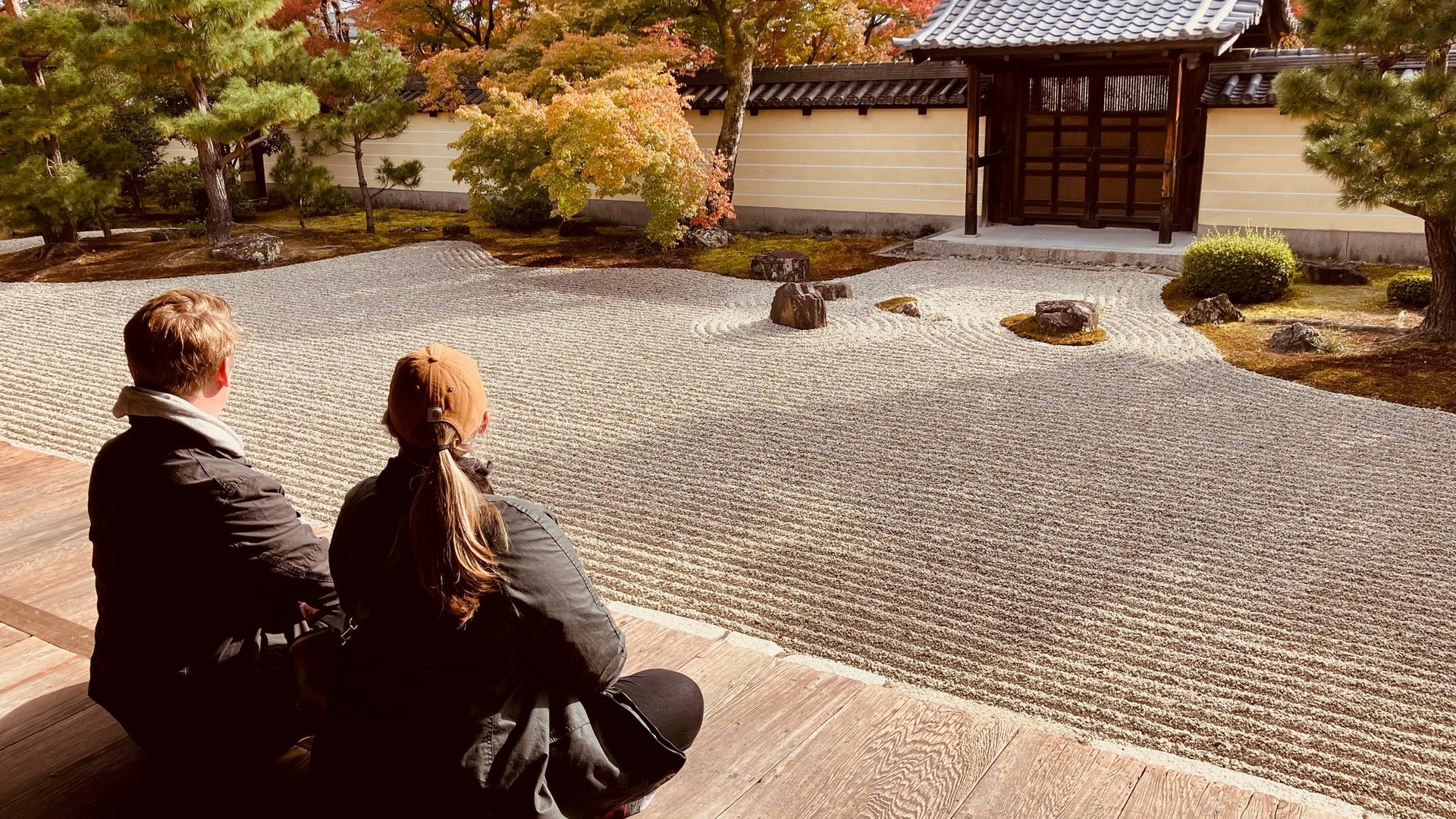
First-timer tip: Many visitors find that starting with a guided tour makes everything easier. Noru's Secret Kyoto tour (3 hours 45 minutes, departing 9am or 1pm daily) focuses on hidden temples and zen gardens that guidebooks miss, while their Arashiyama tour (4+ hours, 1pm start) covers the famous bamboo grove plus off-the-beaten-path spots locals love. Both tours use premium e-bikes that make Kyoto's hills feel effortless.
One important note: the Gion/Hanamikoji area asks cyclists to walk their bikes through the district. It's respectful and honestly, you'll want to slow down there anyway.
Understanding Kyoto's Basin Climate
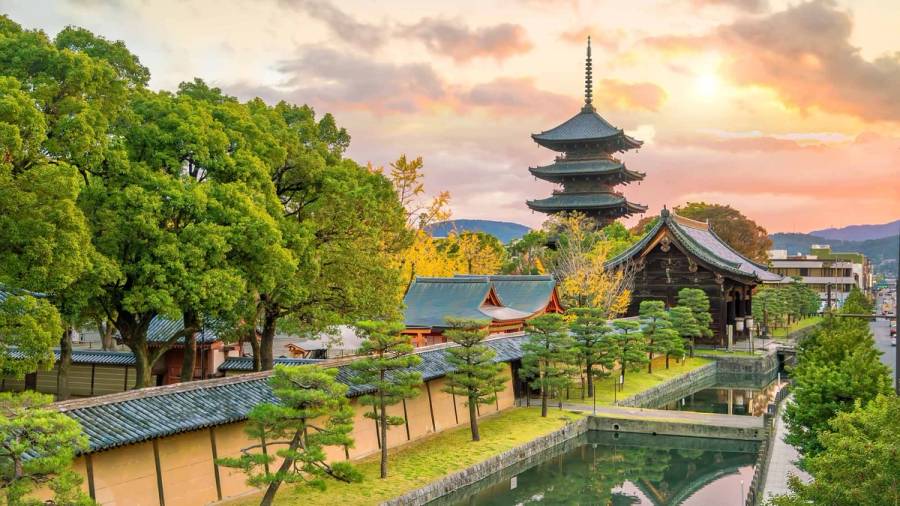
Here's what matters for cycling: Kyoto sits in a basin, which creates unique weather. Average humidity runs 66% year-round, jumping to 71% in summer [4]. That basin geography means summer air just sits there—no breeze—making it feel 3-5°C hotter than the actual temperature.
The good news? The Kamo River corridor stays 2-3°C cooler thanks to the river breeze, making it your summer cycling lifeline.
The Higashiyama (Eastern Mountain) area has serious hills—8-12% grades. Get an e-bike if you're planning temple routes up there. Your legs will thank you.
Best months for cycling: April and October earn ★★★★★ ratings [5]. Spring brings cherry blossoms, autumn delivers fall colors, and both offer perfect cycling temperatures.
Quick Safety Notes
Summer (July-August) requires serious heat precautions: hydrate every 2 hours, take shade breaks, and honestly consider whether a 6am guided tour beats solo cycling in 35°C heat [6]. Bike insurance costs ¥500/day at convenience stores [7]. Emergency help: Japan Tourist Hotline at 050-3816-2787, available 24/7 [8].
Spring (March-May) attracts 35% of annual tourists, autumn (September-November) gets 30% [9]. April and November are peak crowding months [10], so book everything ahead.
Spring: Cherry Blossom Season (March-May)
The Weather Reality
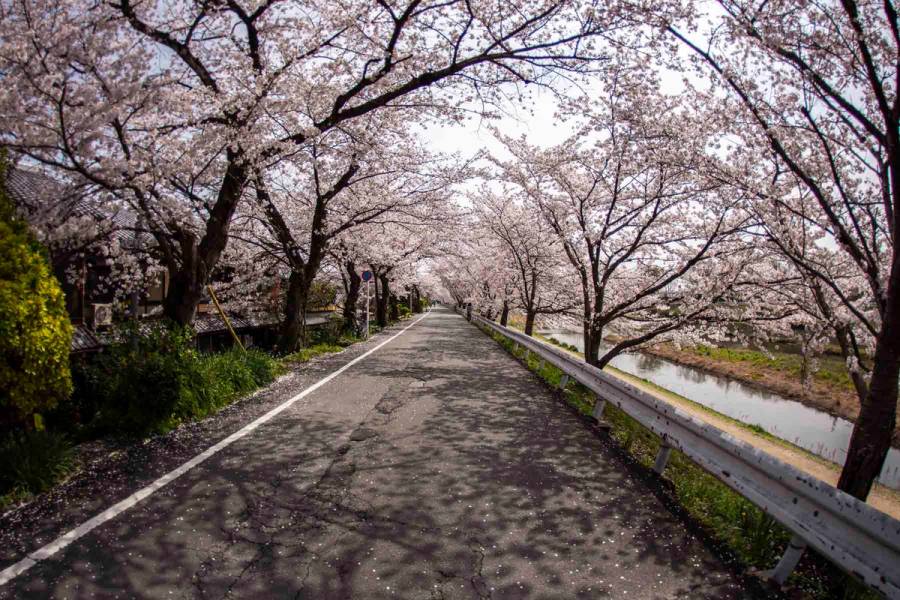
Cherry blossoms typically open March 26th, reaching full bloom April 4th [11]—though dates shift yearly, which is exactly why Noru's spring tours adjust routes based on real-time bloom tracking. You can't do that from overseas.
March: Chilly at 9.1°C average (13.9°C high, 4.4°C low) [12]. Bring a windbreaker.
April: Perfect at 14.9°C average (20°C high) [13]. Peak cycling season. ★★★★★
May: Warming to 19.5°C average (24.6°C high) [14]. Still excellent. ★★★★½
Layering is key—morning starts cool, afternoons warm up. For those iconic empty-temple photos, aim for 5-7am during the 10-day peak bloom period. Yes, it's early. Yes, it's worth it. This is where local guides earn their keep—they know which spots look best at dawn and handle the timing while you enjoy the coffee.
Can't-Miss Spots
Philosopher's Path: 2km from Ginkaku-ji to Nanzen-ji, lined with 500 cherry trees peaking in early April [15]. Some sections are bike-friendly, others pedestrian-only.
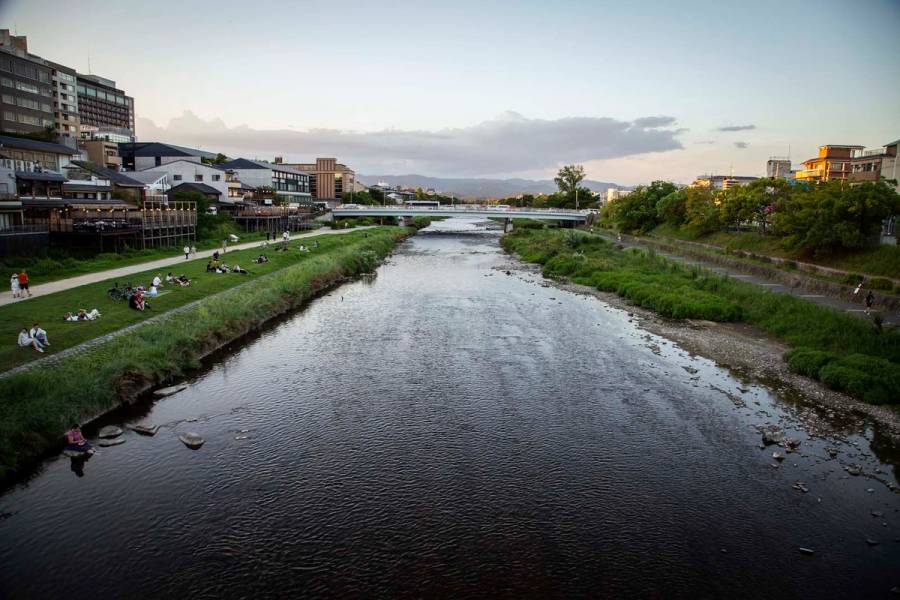
Kamo River Cycling Road: 17km of flat, beginner-friendly path from Demachi-Yanagi to Fushimi Port Park [16]. Cherry tree–lined and absolutely magical in April.
Kyoto Imperial Palace: Free 4km perimeter route, open 5am-5pm daily [17]. Early morning rides here are wonderfully peaceful.
Spring Considerations
Rainfall increases through spring: March 113.3mm, April 115.5mm, May 160.8mm. Pack a lightweight rain jacket.
Cherry blossom season means rental prices jump 1.5x and popular spots get 3x more crowded [18]. Book rentals ahead or join a tour where bikes are reserved and routes avoid the worst congestion.
Summer: Early Birds Only (June-August)
Let's Be Honest About The Heat
Summer in Kyoto is brutal. August sees temperatures exceed 35°C on two-thirds of days. The basin traps heat, making it feel even hotter.
June: 23.5°C average (27.8°C high)[19]. Still manageable. ★★
July: 27.4°C average (31.5°C high)[20]. Getting rough. ★½
August: 28.6°C average (33.3°C high)[21]. Genuinely dangerous. ★
The only safe cycling windows: 5-9am or 5-7pm. Outside these times, heat stroke risk is serious. Hydrate every 2 hours, take shade breaks, wear moisture-wicking clothes and sunscreen [22].
This is honestly when guided tours make the most sense. Noru's summer tours start at 6am, follow routes that catch the Kamo River breeze, and include hydration breaks at strategic spots with air conditioning. That local knowledge—knowing which temple gardens have misters, which cafes open early—takes years to accumulate.
Rainy Season Reality
Japan's tsuyu (rainy season) runs June 7-July 19—42 days of unpredictable weather [23]. June sees 214mm rainfall, July gets 220.4mm [19][20].
Always carry rain gear May through July. If weather turns nasty, subway day passes cost ¥800, bus passes ¥700 [24].
Silver Lining: Empty Kyoto
Summer brings only 20% of annual tourists [9]. August is the quietest month. Those 5-7am time slots? Tourist sites are 90% empty compared to 10am-4pm crowds[25].
Arashiyama Bamboo Grove at 6-8am is stunning and virtually deserted.
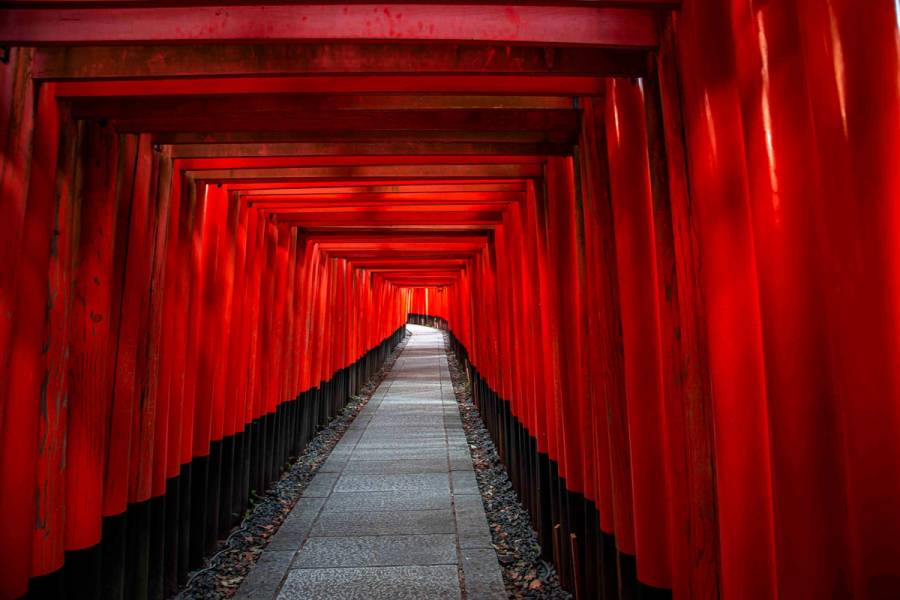
Fushimi Inari Shrine works well early before heat sets in.
PiPPA bike share (220 stations, expanding to 300 in 2025) lets you ride, escape to air conditioning, then grab another bike later. ¥60 per 15 minutes, capped at ¥1,500 daily [26].
Autumn: Peak Season Returns (September-November)
Fall Color Timing
Autumn rivals spring for beauty, just with different colors.
September: Still summery at 24.6°C average (28.8°C high)[27]. Not sweater weather yet.
October: Glorious. 18.4°C average (22.9°C high) [28]. ★★★★★
November: Proper autumn. 12.5°C average (17°C high, 8.3°C low) [29].
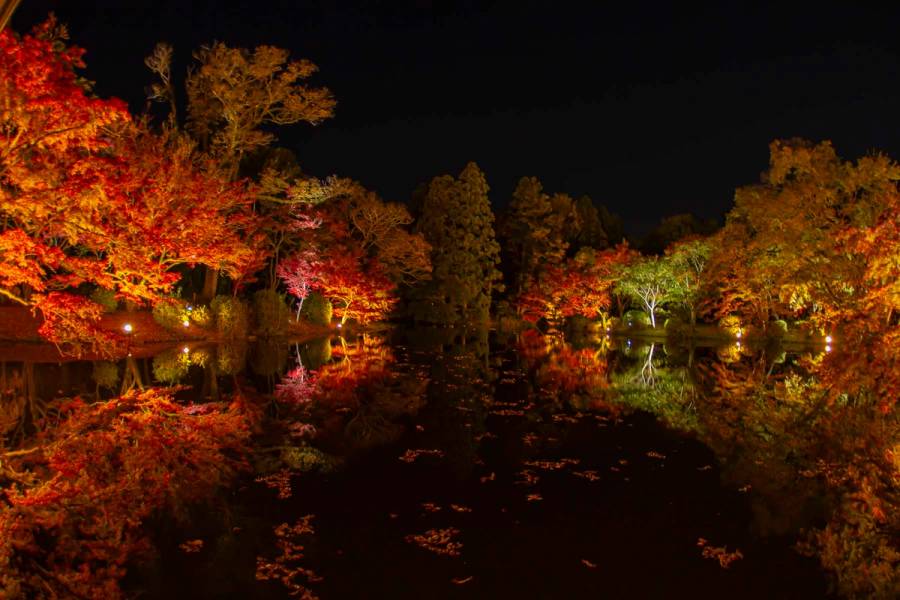
Fall colors peak mid-November through early December [30]. Here's something cool: elevation differences create a month-long color season. High-altitude Takao turns first in early November, lower areas like Tofuku-ji finish in early December. The mountains paint themselves red and gold, section by section.
Kinkaku-ji (Golden Pavilion) during autumn is worth the ¥400 admission despite crowds[31]. That gold against fall foliage is spectacular.
October scores ★★★★★, November gets ★★★★½[5]. Autumn accounts for 30% of annual tourists with November hitting peak crowding[9][10]. Book everything ahead.
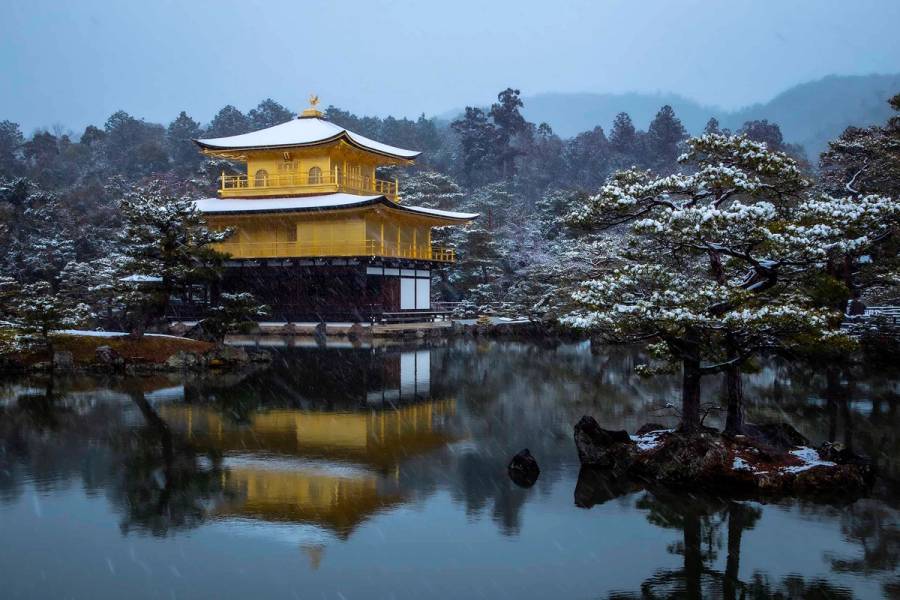
Winter: Quiet & Cold (December-February)
Bundle Up
December: Still decent for cycling. ★★★
December-February average: 7.5°C (11.6°C high, 3.5°C low) [32]
January: Coldest at 5.1°C average (9.1°C high, 1.2°C low) [33]
February: Barely warmer at 5.7°C average (10.2°C high, 1.4°C low) [34]
Locals talk about "sokobie" (底冷え)—bone-chilling cold rising from the ground. Early mornings in January-February can feel below freezing even when technically not.
Layer strategically: September stays short-sleeve weather, October needs long sleeves, November calls for light down jackets[35]. December-February requires windproof gloves, neck warmers, and proper down jackets[36]. Cycle between 10am-3pm for maximum comfort.
Typhoon Awareness
Typhoon season (August-September) averages 3 storms annually [38]. Locals stop cycling 48 hours before typhoons hit. By autumn, this risk passes.
Route Recommendations by Experience Level
Not sure which routes match your fitness?
- Beginners: Kamo River's 17km flat path
- Intermediate: Higashiyama loop, 25km with moderate hills
- Advanced: Mount Hiei climb, 40km with 600m elevation gain[39]
Most bike tour companies, including Noru, offer routes for different abilities—flat cultural tours perfect for families, and full-day adventures for experienced cyclists wanting mountain temples. Many visitors do a guided tour first to learn the city, then rent bikes for independent exploration the next day.
The Bottom Line
April and October are your slam-dunks with perfect weather and stunning scenery. Summer requires 6am alarms and serious heat strategy. Winter is cold but beautiful in its own way.
Check forecasts before you go, dress in layers, book ahead for peak seasons, and consider whether a guided tour might save you time and stress on your first day.
Kyoto's cycling infrastructure keeps improving, and pedaling through 1,000+ years of history creates memories photos can't quite capture.
Quick Reference
Emergency Contact: 050-3816-2787 (24/7 English support)[8]
Bike Insurance: ¥500/day (convenience stores), ¥200/day (rental shops)[7]
Best Overall Months: April, October
Most Challenging: July, August
Peak Crowds: April, November
Best Value: August, February (fewer tourists)
Ready to explore? Check Noru's seasonal tour options—each designed around the weather patterns in this guide, with local guides who grew up here handling the logistics while you enjoy the ride.
References
[1] 京都市観光MICE推進室(2024) https://www.city.kyoto.lg.jp
[2] 京都駅前サイクルセンター https://kyoto-cycling.com
[3] 市内主要10店舗調査(2025)
[4] 京都エコトリップ https://kyoto-ecotrip.com
[5] 気象庁(2024) https://www.jma.go.jp
[6] 京都サイクリング協会評価基準(2024)
[7] 京都市保健福祉局(2024)
[8] 京都府条例(2024)
[9] 日本政府観光局(2025)
[10] 京都市観光統計(2024)
[11] 京都観光オーバーツーリズム対策検討会議(2024)
[12] 京都サイクリングツアープロジェクト https://www.tripadvisor.jp/kctp
[13] 日本気象協会(2024) https://tenki.jp
[14] 気象庁(2024) https://www.jma.go.jp
[15] 気象庁(2024) https://www.jma.go.jp
[16] 気象庁(2024) https://www.jma.go.jp
[17] サイクリングツアー会社推奨(2024)
[18] 哲学の道 https://www.kyoto-kankou.or.jp
[19] 鴨川サイクリングロード https://www.city.kyoto.lg.jp
[20] 京都御所 https://sankan.kunaicho.go.jp
[21] 観光地混雑度調査(2024)
[22] 現地サイクリングガイド推奨(2024)
[23] シーズン比較調査(2024)
[24] 気象庁(2024) https://www.jma.go.jp
[25] 気象庁(2024) https://www.jma.go.jp
[26] 気象庁(2024) https://www.jma.go.jp
[27] サイクリングツアー会社推奨(2024)
[28] 気象庁(2024) https://www.jma.go.jp
[29] 気象データ分析(2024)
[30] 京都市交通局(2025)
[31] 嵐山竹林の小径 https://www.kyoto-kankou.or.jp
[32] 伏見稲荷大社 http://inari.jp
[33] ピッパ https://pippa.co.jp
[34] 観光地混雑度調査(2024)
[35] 気象庁(2024) https://www.jma.go.jp
[36] 気象庁(2024) https://www.jma.go.jp
[37] 気象庁(2024) https://www.jma.go.jp
[38] 京都市観光協会(2024) https://ja.kyoto.travel
[39] 金閣寺(鹿苑寺) https://www.shokoku-ji.jp
[40] 気象庁(2024) https://www.jma.go.jp
[41] 気象庁(2024) https://www.jma.go.jp
[42] 気象庁(2024) https://www.jma.go.jp
[43] サイクリングツアー会社推奨(2024)
[44] サイクリングツアー会社推奨(2024)
[45] レンタサイクル協会(2024)
[46] 気象庁(2024) https://www.jma.go.jp
[47] 京都サイクリングマップ(2024)
Frequently Asked Questions
July and August are the most challenging months for cycling in Kyoto. Temperatures average 27-29°C but regularly exceed 35°C, with August seeing 35°C+ temperatures on two-thirds of days. The basin geography traps heat and humidity (71% average), making it feel 3-5°C hotter than the actual temperature. Heat stroke risk is serious—safe cycling windows shrink to just 5-9am or 5-7pm.
April and October are the gold standard, both earning ★★★★★ rating from us! April offers perfect cycling weather at 14.9°C average (20°C highs) with cherry blossoms typically reaching full bloom around April 4th. The 10-day peak bloom period creates stunning scenery along routes like the Kamo River cycling road and Philosopher's Path. However, April attracts 35% of annual tourists, so expect crowds and book ahead. October delivers equally excellent conditions at 18.4°C average (22.9°C highs) with significantly fewer tourists than spring. The weather is comfortable all day, and you're positioned perfectly to catch early fall colors in high-altitude areas. May (19.5°C average, 24.6°C highs) and November (12.5°C average, 17°C highs) are nearly as good, rating ★★★★½. May offers post-cherry-blossom serenity, while November delivers peak fall foliage—though November does attract 30% of annual tourists.
Spring (March-May): Layering is essential. March mornings are chilly (4.4°C lows) requiring windbreakers, but afternoons warm to 13.9°C. April and May allow lighter layers—start with long sleeves and shed layers as temperatures rise through the day. Pack a lightweight rain jacket year-round but especially May through July, as rainfall increases from 113mm (March) to 160mm (May). Summer (June-August): Moisture-wicking clothes are mandatory. Wear breathable fabrics, sunscreen, and bring multiple water bottles. A hat or cap helps with sun protection. Avoid cotton which traps sweat in the 71% humidity. Autumn (September-November): September remains short-sleeve weather (24.6°C average). October transitions to long-sleeve territory (18.4°C average). November requires light down jackets (12.5°C average, 8.3°C lows). Winter (December-February): Serious layering required. Locals experience "sokobie" (底冷え)—bone-chilling cold rising from the ground—making it feel colder than the thermometer suggests. You'll need windproof gloves, neck warmers, and proper down jackets for the 5-7°C averages with lows around 1-3°C. Early mornings can feel below freezing.
Kyoto's basin geography creates unique cycling challenges and opportunities. The basin traps air, meaning summer heat and humidity have nowhere to escape. This makes actual temperatures of 28°C feel like 33°C, and creates that oppressive 71% summer humidity. There's typically no breeze in the basin center during summer months. However, the Kamo River corridor provides relief—staying 2-3°C cooler thanks to the river breeze effect. This makes the 17km Kamo River cycling road from Demachi-Yanagi to Fushimi Port Park your go-to summer route. The surrounding mountains create microclimates and varied terrain. The Higashiyama (Eastern Mountain) area has serious hills with 8-12% grades, while routes to Arashiyama climb steadily westward. This is why e-bikes make such a difference in Kyoto—they transform challenging climbs into effortless rides.