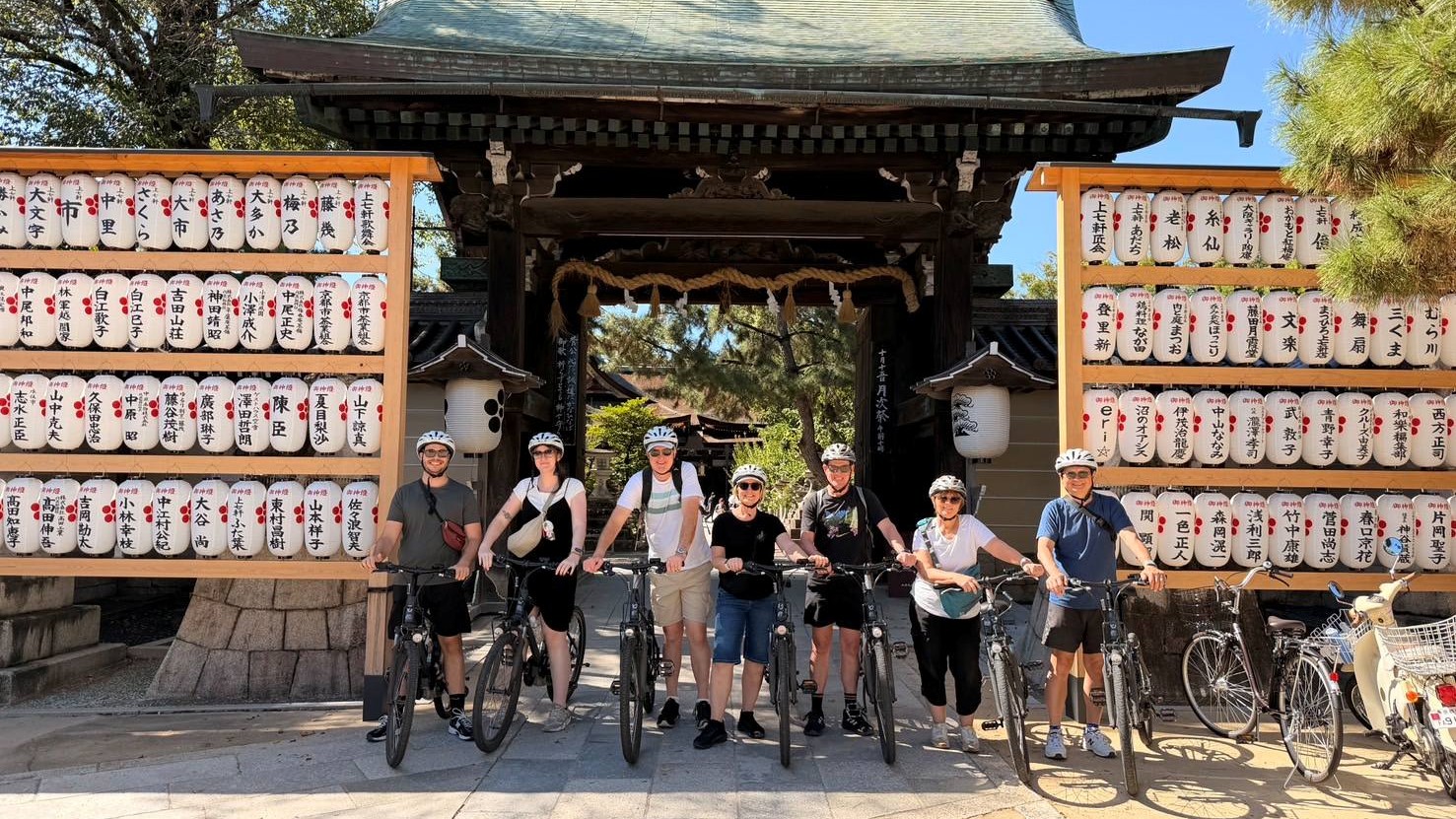
A Local’s Guide to Kyoto Bike Tours: What You Need to Know
Discover why cycling is the best way to explore Japan's ancient capital, compare tour types and e-bikes, and find the perfect route for your Kyoto adventure.
1. Why Kyoto Is the Best City for Bike Tours
Kyoto was practically designed for bicycle exploration. The city's major attractions sit within comfortable cycling distance of each other, making it possible to visit far more sites than you could ever manage on foot. From the towering bamboo groves of Arashiyama to the vermillion torii gates of Fushimi Inari, Kyoto's iconic landmarks are connected by scenic paths that reward those who travel on two wheels.
The terrain offers variety without overwhelming difficulty. Most of central Kyoto is relatively flat, with gentle slopes leading to hillside temples and shrines. While a standard bicycle handles the main routes just fine, e-bikes transform the more challenging climbs into effortless glides. This is especially true when heading from the eastern Higashiyama district toward the northern Kitayama area.
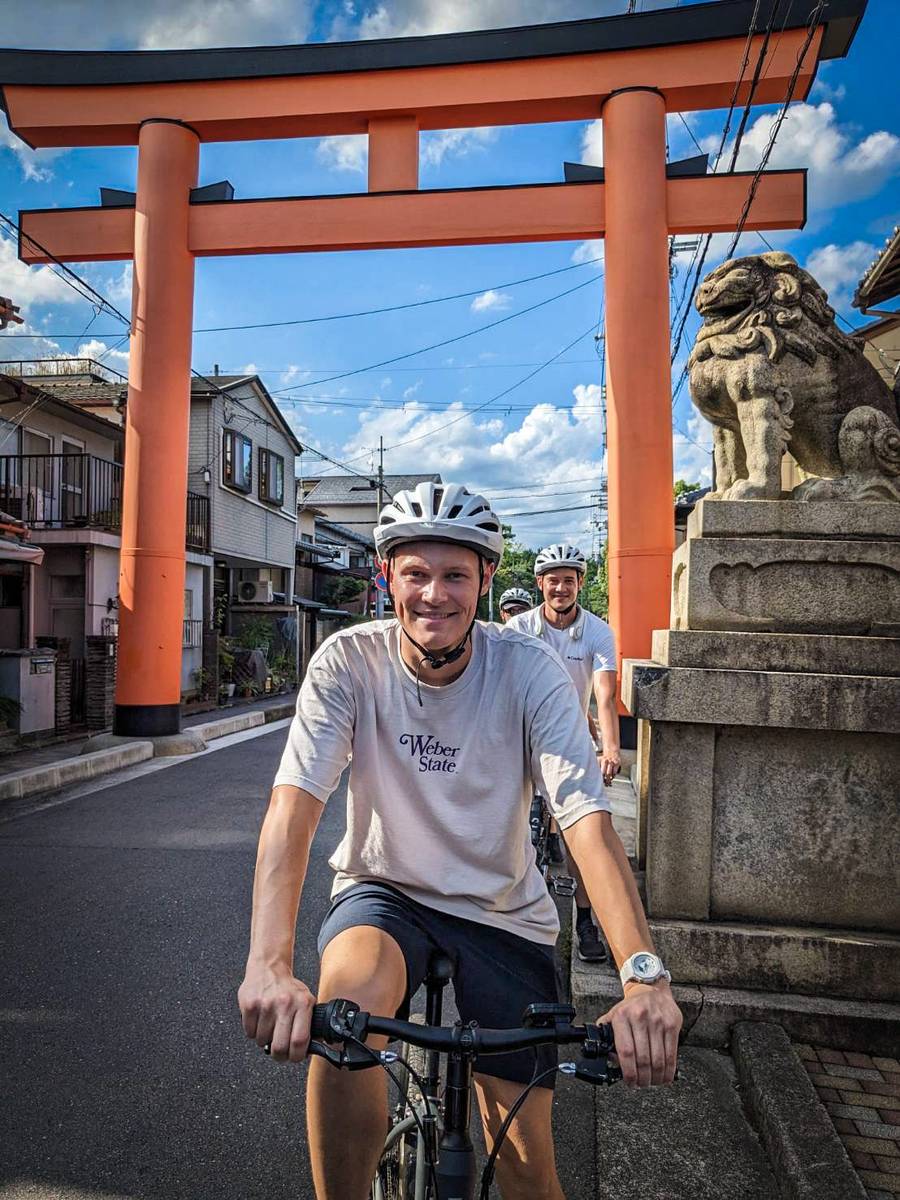
What makes cycling truly special in Kyoto is what you discover between the famous sites. Hidden alleyways, neighborhood shrines, traditional tea houses, and local shops reveal themselves only to those traveling slowly enough to notice them.
2. Kyoto E-Bike Tours: Benefits and Pricing
2.1. Benefits of E-Bikes for Kyoto Tours
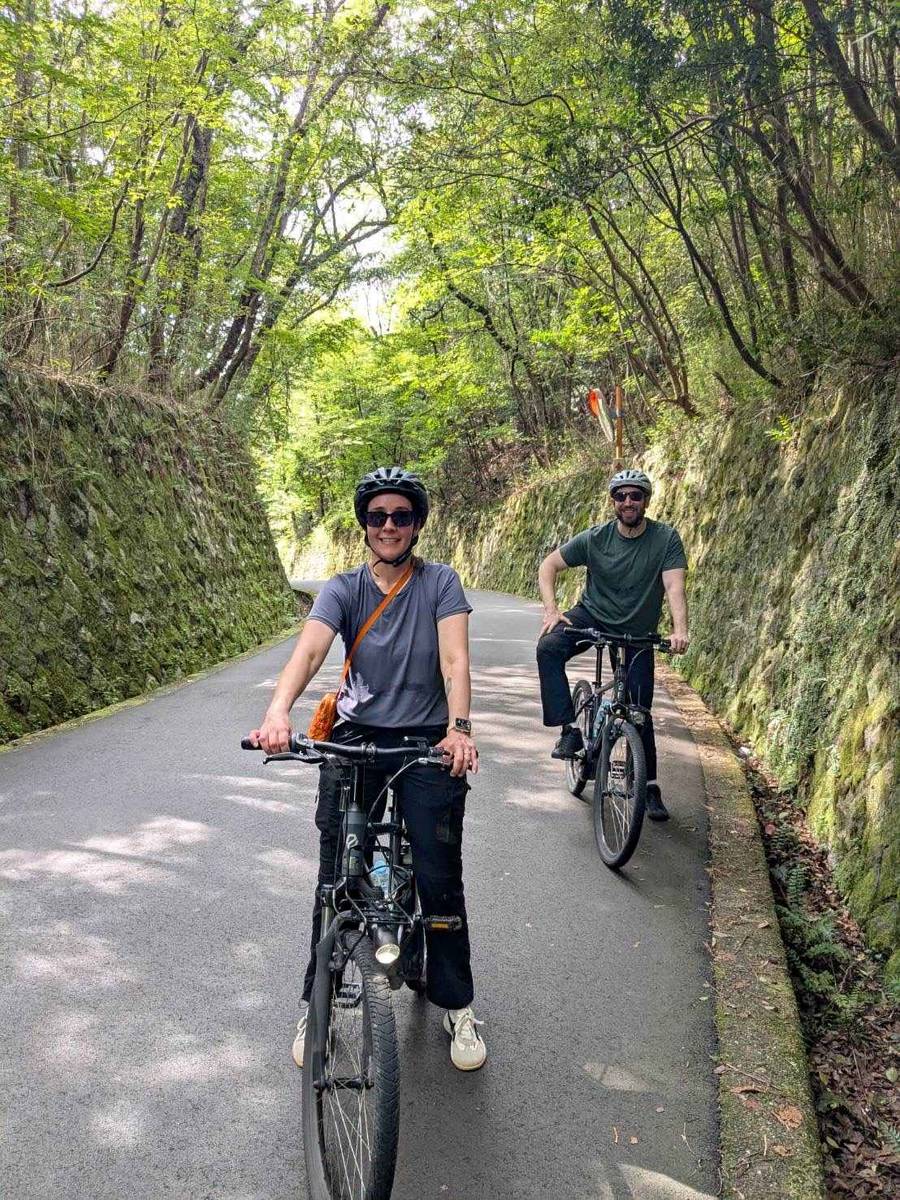
Electric-assist bicycles have transformed Kyoto cycling tours. These bikes use a small motor to boost your pedaling power, making hills feel flat and long distances feel short. Grandparents can keep pace with teenagers! First-time cyclists can join experienced riders. Everyone arrives at each destination fresh and ready to explore, rather than exhausted from the journey.
Modern e-bikes offer impressive range. A single charge typically provides 40-60 kilometers of assisted riding, more than enough to cover Kyoto's main districts in a full day. Battery anxiety simply isn't an issue for city touring.
2.2. Kyoto Bike Tour Prices and What's Included
Kyoto cycling costs vary significantly based on what you choose:
Additional costs to consider:
- Parking: approximately ¥200 per day at designated lots
- Early morning pickup: +¥300 at some rental shops
- Late evening return: +¥400 at some rental shops
Premium guided tours like those offered by NORU Kyoto Bike Tours include the e-bike, helmet, guide services, and often water or light refreshments. The higher price reflects access to local expertise, hidden locations, and a curated experience that independent travelers simply cannot replicate.
3. Comparing Your Kyoto Bike Tour Options
3.1. Guided Tours vs. Self-Guided Rental
The choice between guided and self-guided cycling depends on what you want from your Kyoto experience.
Guided group tours
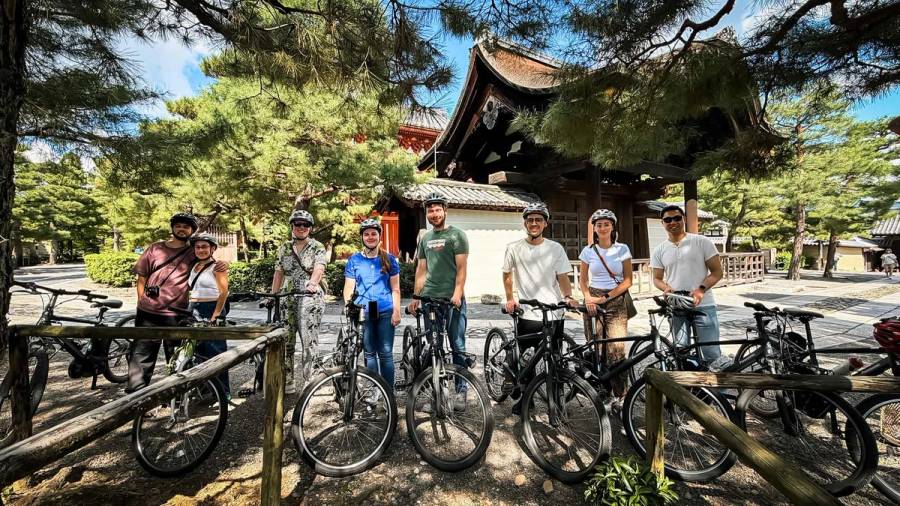
Guided group tours place you in the hands of local experts who know every hidden temple, secret garden, and scenic shortcut. Small group sizes (typically 8 riders maximum) ensure personalized attention and the flexibility to adjust pace based on group energy. You'll visit places that don't appear in guidebooks and hear stories that bring Kyoto's history to life. The efficiency is remarkable: in 3-4 hours, a good guide shows you more meaningful sites than most tourists find in three days of independent wandering.
Private tours
Private tours offer the same expertise with complete customization. Your guide designs the route around your interests, whether that's Zen gardens, traditional crafts, local food, or photography opportunities. Families with children particularly benefit from the flexible pacing and personalized stops.
Self-guided rental
Self-guided rental suits travelers who prioritize freedom over efficiency. You set your own schedule, linger wherever you like, and pay significantly less. The trade-off is real: without local knowledge, you'll miss hidden gems and spend time navigating rather than experiencing. This option works best for return visitors who already know the city or travelers with generous schedules and strong research skills.
3.2. Kyoto Tours on E-Bike vs. Standard Bicycle
The price difference between standard and electric bicycles is roughly double. Is it worth it?
For most visitors, yes. Here's why:
- Hills become irrelevant. Kyoto's temple districts sit on hillsides. E-bikes eliminate the choice between seeing hilltop sites and preserving your energy.
- Distance expands dramatically. An e-bike comfortably covers 25-30 kilometers without fatigue. A standard bike limits most riders to 15-20 kilometers before exhaustion sets in.
- Groups stay together. Mixed fitness levels no longer mean the strongest riders waiting impatiently while others struggle up inclines.
- You arrive ready to explore. The energy you save cycling goes into actually experiencing each destination.
Standard bicycles make sense for budget-focused travelers planning flat routes in central Kyoto only. For anyone wanting to explore multiple districts or tackle hillside temples, e-bikes deliver far more value than the extra cost suggests.
4. Best Kyoto Cycling Routes by District
4.1. Arashiyama Bike Tour: Bamboo Grove and Hidden Temples
Arashiyama ranks as Kyoto's most popular cycling destination, and for good reason. The famous bamboo grove, the elegant Togetsukyo Bridge, and the UNESCO-listed Tenryuji Temple all cluster within easy riding distance. Parking lots throughout the area charge around ¥200 per day, making it economical to lock up and explore on foot when paths become too narrow or crowded for cycling.
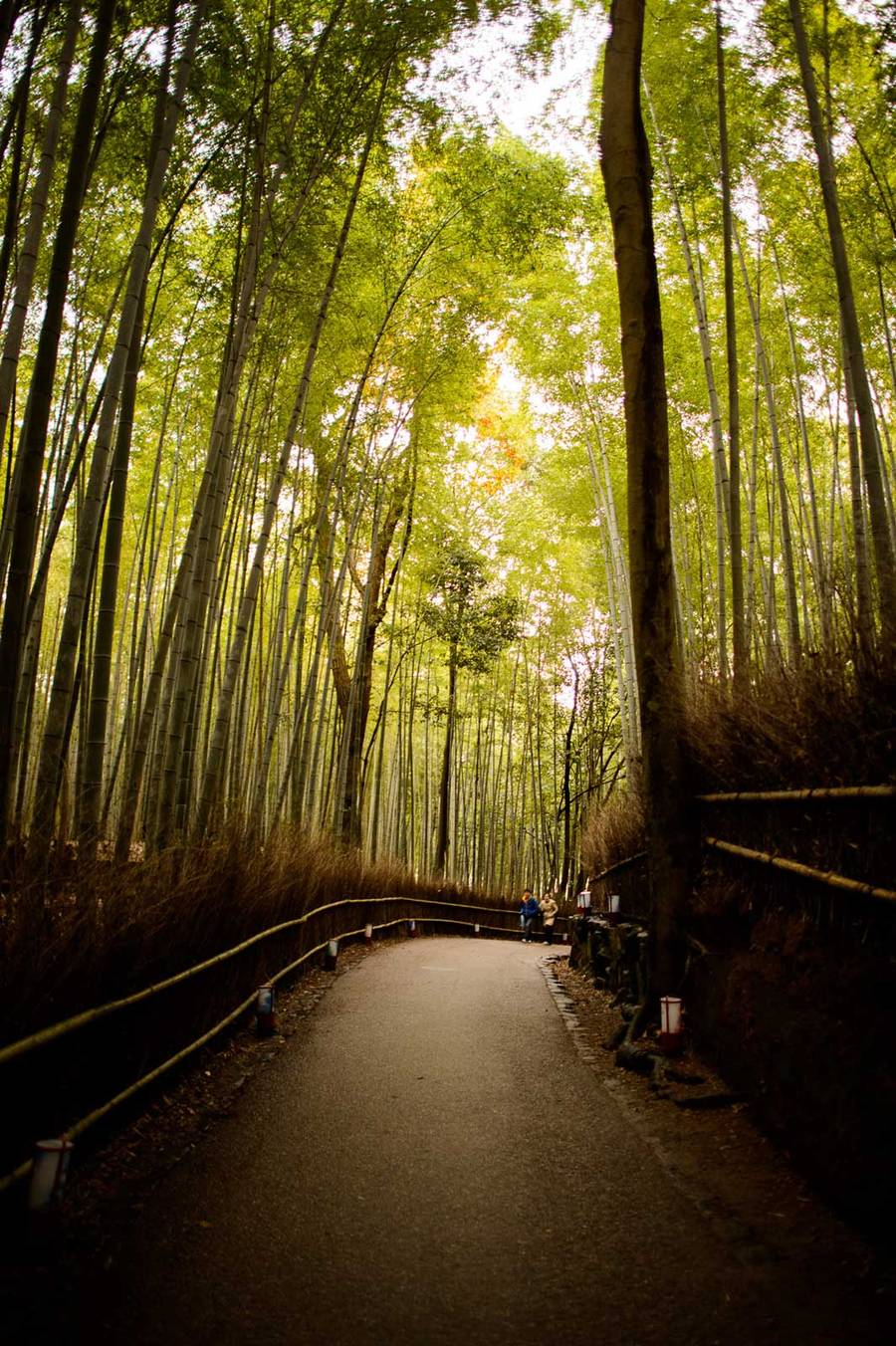
The real magic of Arashiyama reveals itself beyond the main attractions. Back roads wind past moss-covered stone walls, tiny neighborhood shrines, and workshops where artisans practice traditional crafts. E-bikes prove especially valuable here, where gentle hills separate quiet residential areas from the tourist center.
4.2. Biking Higashiyama: Fushimi Inari to Kiyomizudera
The eastern mountains district packs more famous sites per square kilometer than anywhere else in Kyoto. Fushimi Inari Shrine, Kiyomizudera Temple, Yasaka Shrine, and dozens of smaller temples line hillside paths that have welcomed pilgrims for centuries.
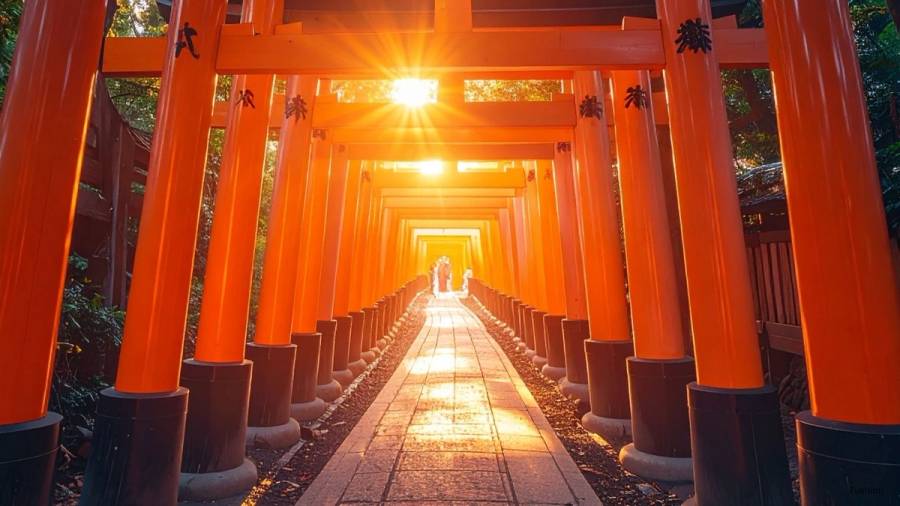
E-bikes enable exploration of the quiet lanes between major sites, where local life continues largely unchanged by tourism. Small neighborhood shrines, family-run tea shops, and traditional machiya townhouses line these paths, invisible to visitors who stick to the main pilgrimage routes.
4.3. North Kyoto Bike Route: Escape the Crowds
The northern district offers escape from central Kyoto's intensity. Kamigamo Shrine, one of Kyoto's oldest, sits amid extensive grounds that feel genuinely peaceful even during peak season. The Kamo River cycling path provides a green corridor connecting central Kyoto to these northern reaches, with riverside scenery that shifts from urban to almost rural.
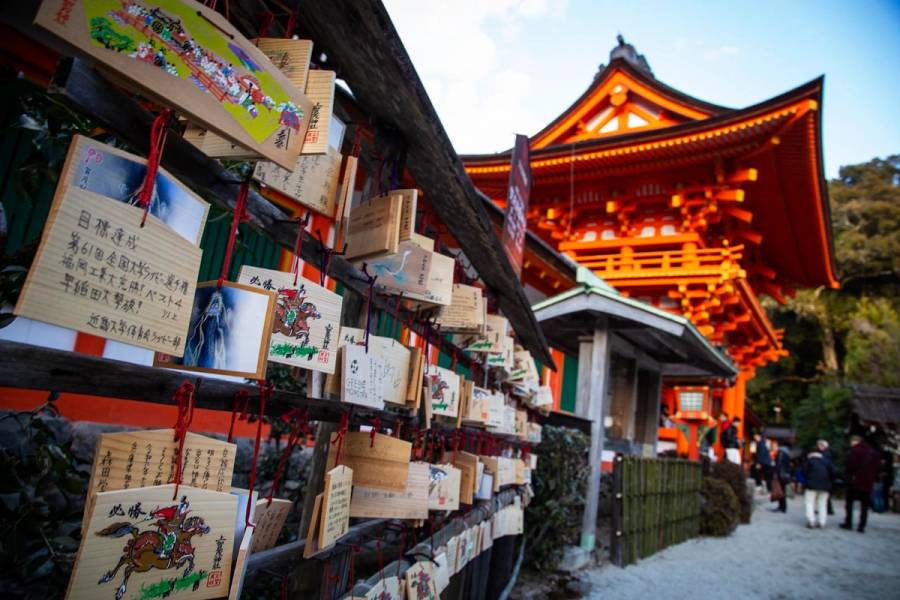
Kitayama cycling suits those seeking contemplation over stimulation. The pace naturally slows here. Fewer tourists mean more authentic glimpses of daily Kyoto life.
4.4. How Long Does Each Kyoto Bike Route Take
5. NORU Kyoto Bike Tours: Hidden Gems Experience
NORU Kyoto Bike Tours demonstrates what premium guided cycling can offer. Our approach focuses on revelation rather than mere transportation: showing visitors the Kyoto that guidebooks miss.

5.1. NORU's Secret Kyoto E-Biking Tour
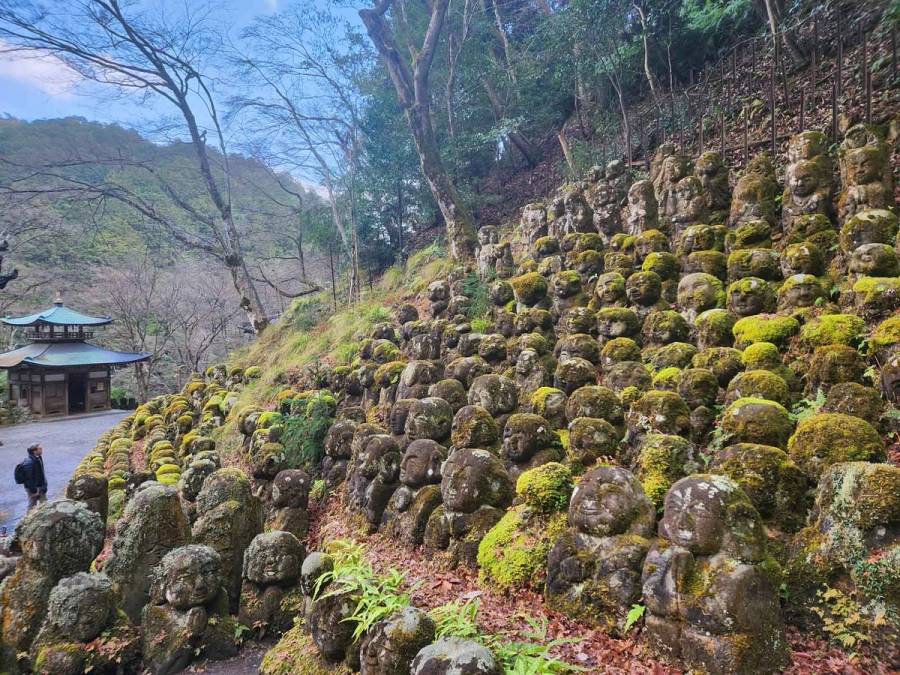
The Secret Kyoto E-Biking Tour takes small groups (maximum 8 riders) through hidden corners of the city. Routes include tucked-away Zen temple gardens, traditional shopping streets where locals actually shop, and viewpoints that offer postcard-perfect scenes without the postcard-sized crowds. Guides who have lived in Kyoto for years share context that transforms simple sightseeing into genuine understanding. Why does this temple face that direction? What ceremony happens in this garden each spring? How did this neighborhood develop its distinctive character? These questions find answers only with local expertise.
5.2. NORU's Arashiyama E-Biking Tour
The Arashiyama E-Biking Tour ventures beyond the famous bamboo grove to discover what lies behind the tourist facade. Hidden cafes known mainly to residents, small galleries showcasing local artists, temple gardens that receive a fraction of the visitors Tenryuji sees: these discoveries define the NORU experience. The e-bikes enable coverage that would exhaust walking tourists, while the small group size allows genuine interaction with guides and fellow riders.
What distinguishes premium tours from basic rentals ultimately comes down to depth. Independent cyclists see Kyoto's surface. Guided groups understand its layers.
6. How to Prepare for Your Kyoto Bike Tour
6.1. Essential Packing List for Kyoto Cycling
Essential items for Kyoto cycling:
- Sun protection. Cycling exposes you to more sun than walking. SPF 30+ sunscreen and a hat make the difference between comfort and misery.
- Water bottle. Vending machines dot Kyoto's streets, but carrying 500ml minimum prevents mid-ride dehydration.
- Comfortable shoes. Closed-toe shoes with good grip work best. Sandals and dress shoes create safety issues.
- Weather layer. Kyoto weather shifts quickly. A light jacket handles morning chill and unexpected clouds.
- Small bag. A crossbody bag or waist pack keeps essentials accessible during frequent stops.
- Phone charger. Navigation and photography drain batteries fast. A portable charger prevents mid-tour shutdowns.
Most guided tour operators provide helmets and rain gear. Confirm inclusions when booking.
6.2. When to Book Your Kyoto Bike Tour
Guided tours require advance planning, especially during peak seasons. General guidelines:
- Book 2-3 weeks ahead for standard availability
- Book 4-6 weeks ahead for cherry blossom season (late March to early April) and autumn colors (mid-November)
- Check cancellation policies before confirming. Weather-related rescheduling options vary by operator.
- Confirm start times and meeting points the day before your tour
For self-guided rental, advance booking matters less except during Golden Week (late April to early May) and peak autumn season, when popular shops may run short of quality bikes.
7. Best Time of Year for Kyoto Cycling Tours
Each season in Kyoto offers distinct advantages and challenges for cycling:
7.1. Spring: Experience Kyoto's Cherry Blossom Session
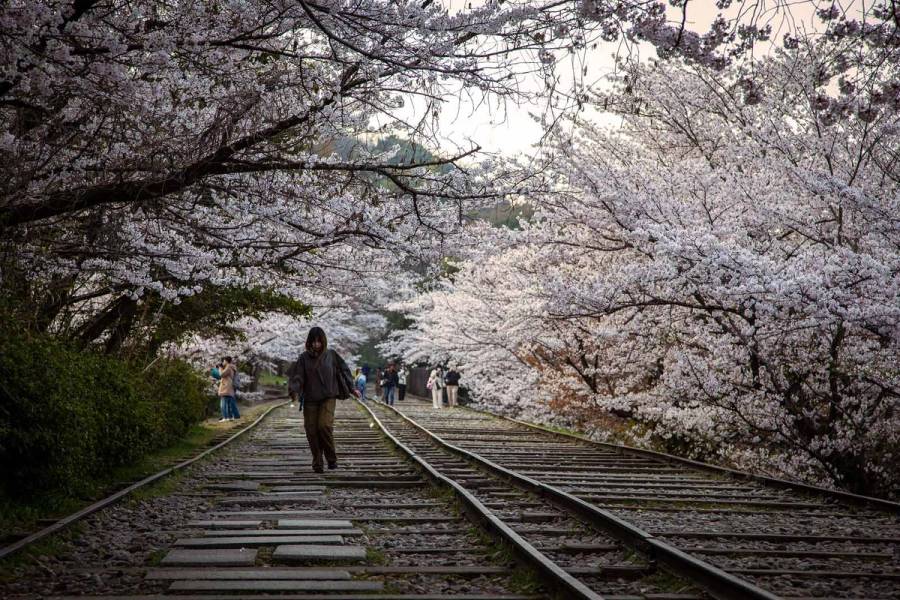
Spring brings cherry blossoms and massive crowds. Cycling offers significant advantages during this season: you can reach popular sites before tour buses arrive and escape to quieter areas when crowds peak. However, tour availability fills quickly and prices rise accordingly.
7.2. Summer: Kyoto's Festival Session
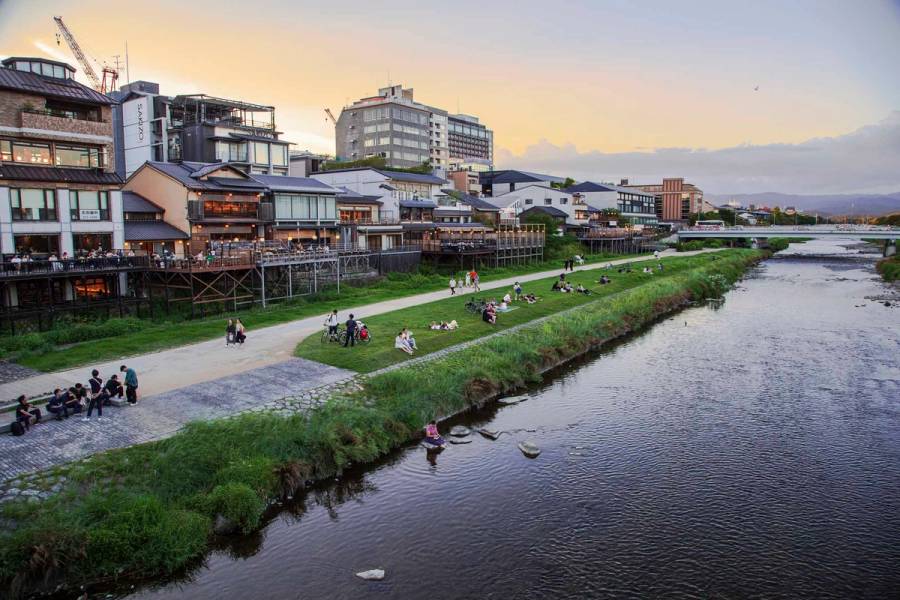
Summer challenges riders with heat and humidity but rewards them with discounted prices and minimal crowds. Schedule tours for early morning hours and plan rest stops in air-conditioned spaces during midday heat.
7.3. Autumn: Enjoy Kyoto's Most Visually Spectacular Session
Autumn rivals spring for natural beauty, with maple leaves painting temple grounds in brilliant reds and oranges. Weather conditions are ideal for cycling: comfortable temperatures and low humidity. Crowds match spring levels, so early booking remains essential.

7.4. Winter: Avoid the Kyoto Crowds in the Coolest Months
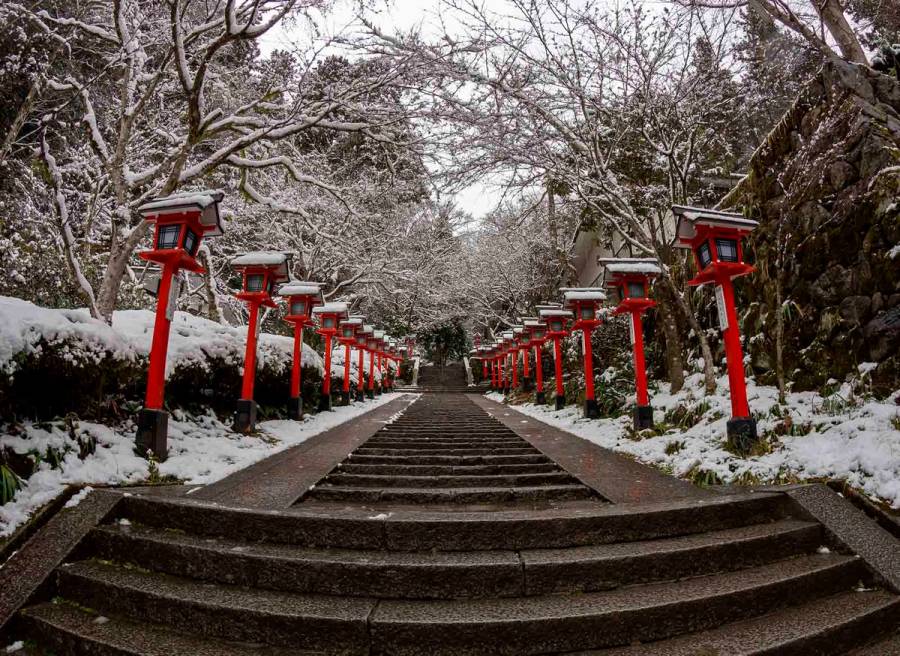
Winter offers a different Kyoto entirely. Bare branches reveal temple architecture usually hidden by foliage. Frost-covered gardens achieve a stark beauty impossible in other seasons. Tourists thin dramatically, creating opportunities for contemplative experiences at sites that feel crowded year-round. Dress warmly and embrace the quiet.
For budget-conscious travelers prioritizing value over specific scenery, late autumn (November) and winter (December-February) deliver the best combination of pleasant cycling weather and reasonable prices.
8. Is a Kyoto Bike Tour Worth It?
Cycling transforms Kyoto from a checklist of famous sites into a living, explorable city. The freedom to follow interesting alleyways, stop at unexpected discoveries, and cover ground efficiently while staying present in each moment makes bicycles the ideal vehicle for understanding Japan's ancient capital.
E-bikes remove the fitness barrier that might otherwise limit exploration. Hills become irrelevant. Distance becomes opportunity. Groups of varying abilities travel together comfortably.
The choice between guided and self-guided cycling depends on your priorities. Guided tours maximize discovery and cultural learning within limited time. Self-guided rental maximizes freedom and minimizes cost. Both approaches beat walking and bus tours for experiencing Kyoto authentically.
Whatever approach you choose, cycling Kyoto rewards preparation. Book guided tours early, especially during peak seasons. Bring sun protection and comfortable shoes. Choose e-bikes for hilly routes or multi-district exploration. And leave room in your schedule for the unexpected discoveries that make bicycle travel special.
Ready to explore hidden Kyoto on two wheels? Book your NORU e-bike tour and discover the ancient capital beyond the tourist trail.
Frequently Asked Questions
No prior experience is necessary. E-bikes are easier to ride than standard bicycles because the electric motor assists your pedaling. Most tour operators provide a brief orientation before departure, and guides maintain a comfortable pace suitable for beginners.
Autumn (September-November) offers ideal cycling weather with comfortable temperatures and stunning foliage. Spring cherry blossom season is equally beautiful but more crowded. Winter provides the best value with fewer tourists and discounted tour prices.
Book 2-3 weeks ahead for standard dates. During cherry blossom season (late March-early April) and peak autumn colors (mid-November), book 4-6 weeks in advance as small-group tours fill quickly.
Yes, but age requirements vary. Most guided tours require riders to be at least 13 years old and approximately 145cm tall. Private tours offer more flexibility for families with younger children, including options for child seats or trailer attachments.