Everything you need to know before hopping on a bike in Kyoto—from seasonal clothing choices to the small items that make a big difference.
1. Why Preparation Matters for Kyoto Bike Tours
Kyoto's weather can change fast. Morning mist turns to afternoon sunshine. A cool breeze stops, and suddenly it feels humid and still. The mountains around the city create small weather zones that surprise many visitors.
Good preparation makes a big difference. We've seen guests show up in sandals for a temple tour. Others forget sunscreen on a clear October day. These small mistakes become big problems when you're far from your hotel.
The good news? Getting ready for a Kyoto bike tour is easy once you know what to expect. This guide covers it all—from the obvious stuff to things most people forget.
2. What to Wear on Your Kyoto Bike Tour: Season-by-Season Guide
2.1. Spring Kyoto Bike Tour Clothing (March-May)
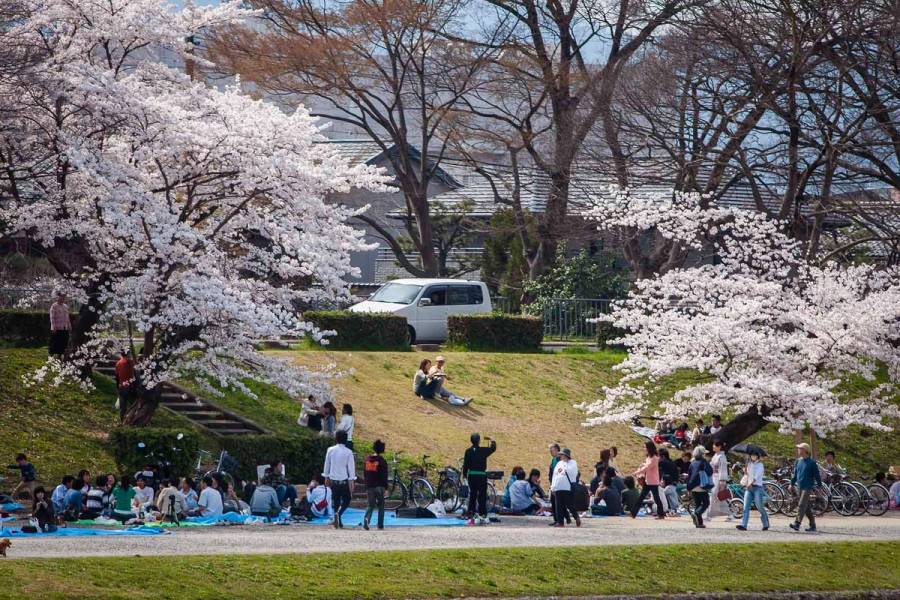
Spring in Kyoto brings cherry blossoms and great cycling weather. But mornings and afternoons feel very different. March can feel like winter at 7 AM and like summer by 2 PM.
Temperature range: 4°C mornings to 24°C afternoons
What Layers to Bring
- Base layer: A t-shirt or long-sleeve top that dries fast. Skip cotton—it holds sweat and makes you cold when you stop.
- Mid layer: Light fleece or thin sweater that fits in your bag.
- Outer layer: Light windbreaker or rain jacket you can pack small.
Spring Tips
- Morning tours start cool. Bring extra layers even if the afternoon looks warm.
- Cherry blossom season (late March to early April) brings sudden rain.
- Pollen is high in March and April. Pack allergy medicine if you need it.
Quick tip: A packable down jacket takes up little space. Many guests who start in t-shirts are glad they brought extra layers.
2.2. Summer Kyoto Bike Tour Clothing (June-August)
Kyoto summers are tough. The city sits in a basin that traps heat and humidity. When the temperature reads 30°C, it can feel like 36°C or higher. On extreme days, it can hit 40°C and some days humidity can get over 90%!
Temperature range: 25°C to 35°C+ with 82% humidity in July
What Works in Summer
- Light fabrics: Athletic wear, linen, or quick-dry materials work best.
- Light colors: Dark clothes absorb more heat.
- Sun protection: Long-sleeve sun shirts can feel cooler than bare arms in direct sun.
- Head covering: A cycling cap that fits under your helmet.
What to Avoid
- Cotton—it gets soggy and heavy in humid weather.
- Jeans—local tour guides all say to skip denim in Kyoto.
- Dark colors—you'll get hot faster.
- Any heavy fabric.
Must-Have Summer Gear
- Sunglasses (morning glare off temple roofs is strong)
- Sunscreen SPF 30+ (bring extra to reapply)
- Cooling towel or bandana
- UV umbrella or parasol (locals use these for portable shade)
Reality check: Summer cycling means early starts. NORU tours leave when the air is still cool and finish before the worst heat. We add shade breaks and stops with air conditioning.
2.3. Autumn Kyoto Bike Tour Clothing (September-November)
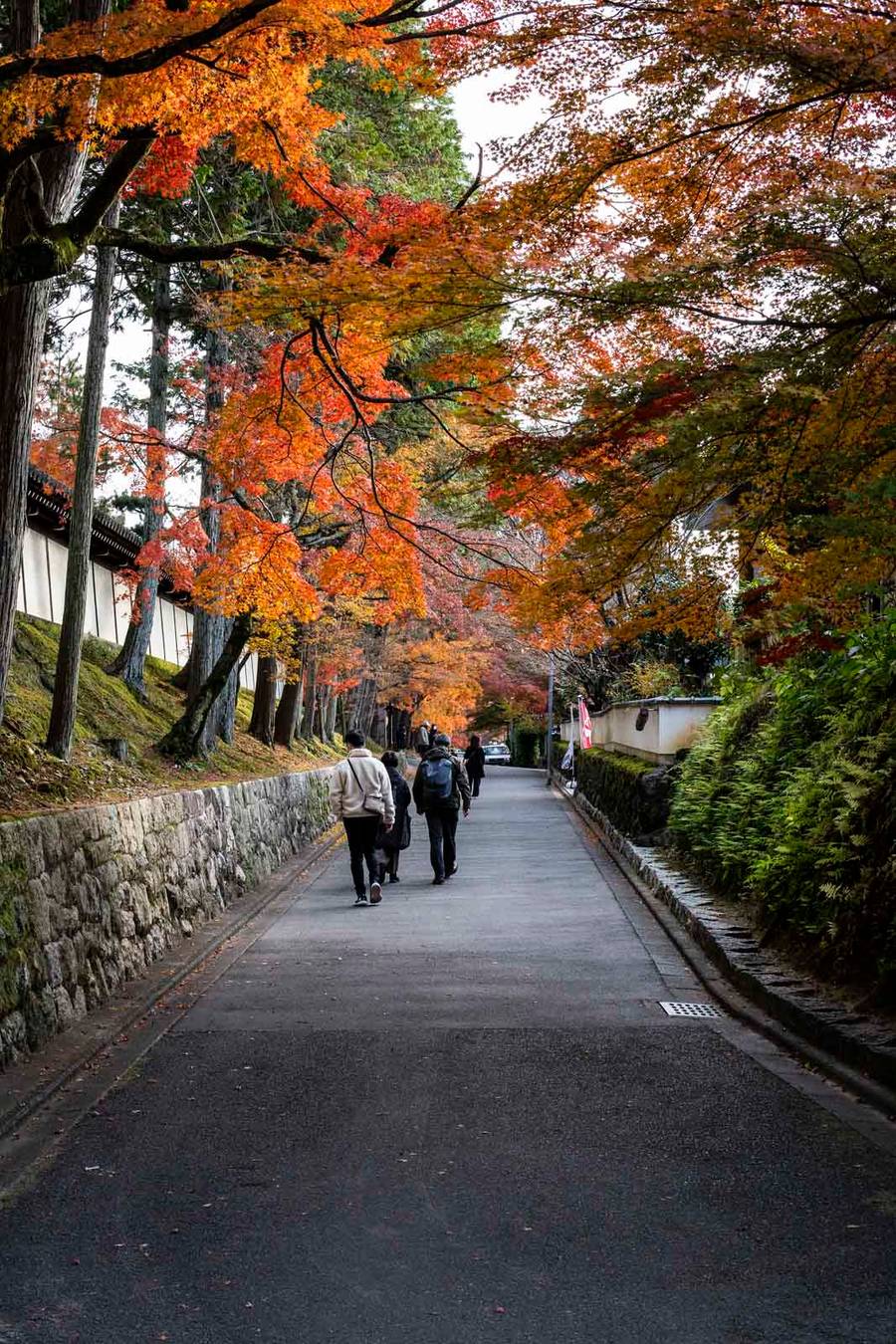
Autumn is the best time for cycling in Kyoto. The weather is comfortable, humidity drops, and the leaves change color. It's perfect for long rides.
Temperature range: 8°C to 25°C
What to Wear Each Month
- September: Still feels like late summer. Wear light, airy clothes. Evenings cool down fast.
- October: Long sleeves feel right. Bring a light jacket for mornings.
- November: You'll need a light down jacket or warm fleece. Layers help as weather shifts.
Autumn Tips
- Fallen leaves make paths slippery. Not about clothes, but good to know.
- November evenings get cold fast. Bring warmer options for late tours.
- This is Kyoto's second busiest tourist season. Wear comfy shoes for crowded temples.
Style note: Autumn is when you can look good on a bike without getting too hot. Earth tones look great against fall leaves in photos.
2.4. Winter Kyoto Bike Tour Clothing (December-February)
Kyoto winters are cold but not extreme. Locals call it sokobie (底冷え)—a deep cold that rises from the ground. The thermometer might not look that cold, but you'll feel it through thin layers.
Temperature range: 1°C to 12°C
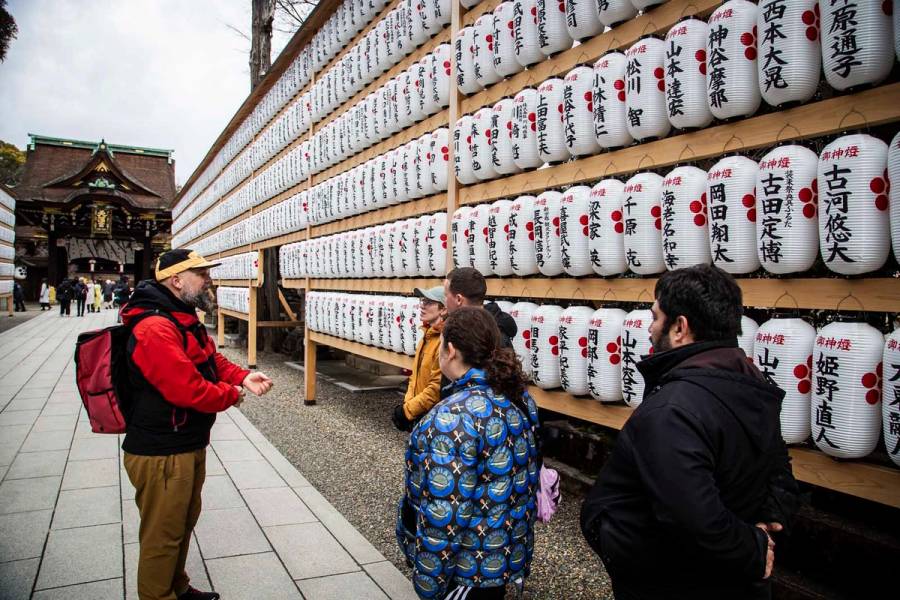
Essential Winter Gear
- Windproof outer layer: You must have this. Cycling creates wind chill even on calm days.
- Thermal base layer: Merino wool or tech fabrics against your skin.
- Warm mid layer: Down jacket or heavy fleece.
- Neck gaiter or scarf: Keeps cold air from going down your collar.
- Warm gloves: Cycling gloves with grip, or thin gloves under warmer ones.
Body Parts to Protect
- Hands: They get cold first and take longest to warm up.
- Ears: Wear a headband or ear warmers under your helmet.
- Feet: Thick socks work well. Toe warmers help on early morning tours.
The bright side: Winter means far fewer tourists. You'll have temples and gardens almost to yourself. The cold air makes mountain views crystal clear.
3. Essential Items to Bring on a Kyoto Bike Tour
3.1. Must-Have Items for Every Season
These items matter no matter when you visit. Don't skip them.
Water Bottle
Bring at least 500ml. Vending machines are everywhere in Kyoto, but stopping all the time slows you down. Staying hydrated keeps your energy up and prevents headaches.
Sun Protection
Sunscreen and sunglasses aren't just for summer. Spring and fall sun bounces off temple roofs and white gravel gardens. Winter sun sits low and hits your face at bad angles.
Small Bag
Use a crossbody bag or waist pack. You'll want quick access to your phone, wallet, and snacks. Pick something that sits well while cycling and doesn't bounce.
Phone and Portable Charger
Your phone works hard on a bike tour: maps, photos, translations, looking up temple info, finding lunch spots. Batteries drain fast. A small 5,000-10,000mAh power bank fits in your pocket.
Cash
Japan still uses lots of cash. Many temple fees, vending machines, and small shops don't take cards. Carry ¥5,000-10,000 in small bills and coins.
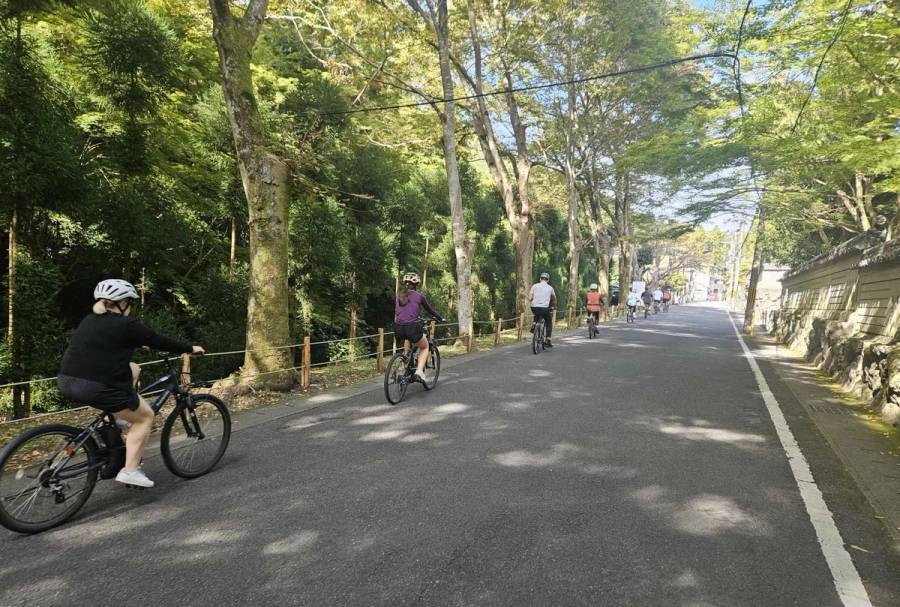
3.2. Nice-to-Have Items That Help
Pocket Tissues and Hand Sanitizer
This is a must in Japan, not optional. Many public restrooms don't have toilet paper or towels. Locals always carry pocket tissues. Convenience stores sell them cheap.
Snacks
Energy bars, trail mix, or onigiri (rice balls) keep your energy steady between stops. Low blood sugar while cycling is no fun. Japan's convenience stores (7-Eleven, Lawson, FamilyMart) are everywhere with great fresh food.
Small Towel or Handkerchief
Locals carry these all year. Use them to wipe sweat, dry hands after temple water rituals, or cool your neck in summer.
Camera (Optional)
Your phone camera is probably fine. But if photos matter to you, a real camera captures more detail. Just secure it well while riding.
4. Japan Cycling Rules Every Tourist Should Know
Here are the key rules for cycling in Japan:
4.1. Ride on the Left
Japan drives on the left. Cyclists follow the same rule. If you're from a country that drives on the right, this takes focus. Your guide will remind you. Stay alert at intersections.
4.2. Helmets Are Now Required
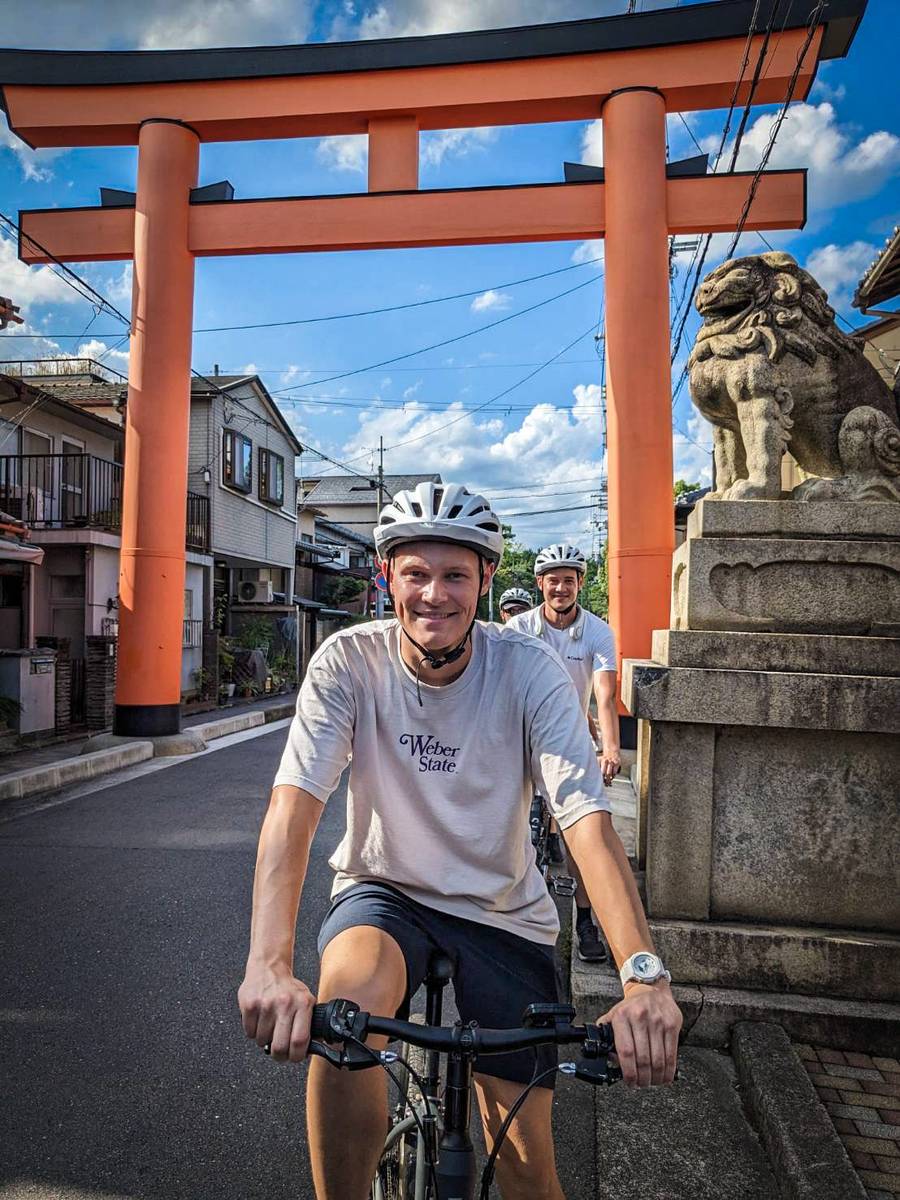
Since April 2023, Japan's Road Traffic Act says all cyclists should try to wear helmets. There's no fine if you don't, but about 60% of cycling deaths involve head injuries. NORU gives helmets to all guests.
4.3. No Phone Use While Cycling
As of November 2024, using your phone while cycling can cost you up to ¥100,000 in fines. This includes texting, calling, or even looking at your screen. If you need your phone, stop first.
4.4. Sidewalk Rules Vary
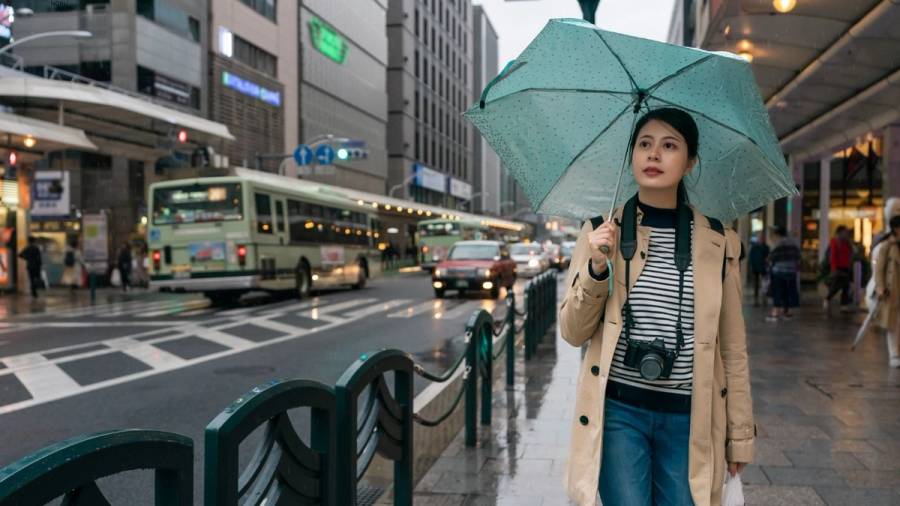
Some areas allow cycling on sidewalks. Others don't. For example, Shijo Street, a shopping area in downtown Kyoto, does not allow cyclists. However, in other areas where it is allowed, walkers always go first, and you should ride slowly. Your guide will handle this for you.
5. What NORU Kyoto Bike Tours Provides
When you book a guided tour with NORU, we take care of a lot:
- Premium e-bikes: Comfy, well-kept electric bikes that make hills easy.
- Helmets: Safety helmets in many sizes. Japan now asks all cyclists to wear them.
- Rain gear: Waterproof ponchos when weather changes. We watch forecasts and adjust routes.
- Water: Free water to keep you hydrated.
- Emergency supplies: First aid kit, bike tools, and backup gear.
5.1. About Helmets
Japan's helmet rule (doryoku gimu) has no penalty, but the stats are clear. About 60% of cycling deaths involve head injuries. Not wearing a helmet can also affect who's at fault in an accident. NORU gives all guests quality helmets. We take safety seriously.
5.2. What You Still Need
Bring the right clothes, comfy shoes, sunscreen, your phone, cash, and any medicine you need.
6. Best Footwear for Kyoto Bike Tours
Shoes are easy to overlook. But wrong footwear causes problems you'll feel for days.
6.1. What Makes Good Cycling Shoes
- Closed-toe: Protects your feet from pedals and debris.
- Good grip: Rubber soles that won't slip off pedals.
- Good for walking: You'll get off the bike to explore temples, gardens, and shops.
- Secure fit: No flip-flops, loose sandals, or shoes that slide around.
6.2. Shoes That Work Well
- Athletic sneakers
- Trail running shoes
- Comfy walking shoes with rubber soles
- Light hiking shoes
6.3. Shoes to Skip
- Flip-flops or sandals (unsafe on pedals, bad for walking)
- High heels or dress shoes
- Brand new shoes (break them in first)
- Heavy boots (too tiring)
6.4. Temple Tip
Many temples make you remove shoes before going inside. Slip-on shoes make this faster. Regular sneakers work fine—you'll just spend more time on laces.
7. Special Considerations for Kyoto Cycling
7.1. Rainy Season Tips (June-July)
Japan's rainy season (tsuyu) runs from about June 7 to July 19. During this period, it can rain all day. However, even during this rainy season you should be able to find a dry day that work great for cycling.
NORU Kyoto Takes Care of Rainy Weather
NORU tours run rain or shine. We give out waterproof ponchos. Light rain can make tours better—temple moss looks greener and crowds thin out. For heavy rain, we change routes to include more covered spots.
7.2. Temple and Shrine Etiquette on Your Bike Tour
Kyoto bike tours always include temple and shrine stops. Here's what to know:
Dress Modestly
Japan doesn't have strict dress codes for tourists. But showing respect through proper clothes makes your visit better. Skip very short shorts, tank tops, or revealing shirts at sacred sites. Knee-length shorts and t-shirts that cover your shoulders are fine.
Shoe Removal
Many temples require taking off shoes before entering some areas—especially main halls and tea rooms. Slip-on shoes make this much easier. If you wear sneakers, get ready to tie and untie them a few times.
Basic Temple Manners
- Walk on the sides of paths: The middle is for the gods, not visitors. Watch how locals do it.
- Keep your voice low: These are active worship sites, not just tourist spots.
- Water purification: At shrine entrances, you'll find water basins (chozuya) with scoops for cleaning your hands. Your guide will show you how.
- Photo rules differ: Usually okay outside, often not inside buildings. Look for signs.
Coins for Offerings
Temple donations use coins. A ¥5 coin is seen as extra lucky—the word for five (go) sounds like "good fortune." Keep some ¥5 and ¥50 coins handy if you want to make offerings.
Be Respectful
Take off hats when entering temple halls. Don't take selfies next to people who are praying. Follow your guide—they'll explain customs at each stop.
8. Kyoto Bike Tour Packing Checklist
Print this or save it to your phone before your tour.
All Seasons
- Comfy closed-toe shoes (already broken in)
- Water bottle (500ml minimum)
- Sunscreen SPF 30+
- Sunglasses
- Small bag (crossbody or waist pack)
- Phone and portable charger
- Cash (¥5,000-10,000, plus small coins for temples)
- Pocket tissues (many restrooms don't have paper)
- Hand sanitizer
- Small towel or handkerchief
- Any medicine you need
- Light snacks
Spring (March-May)
- Quick-dry base layer (skip cotton)
- Light fleece or sweater
- Packable rain jacket
- Allergy medicine (if needed)
Summer (June-August)
- Light, breathable clothes (no cotton or jeans)
- Light-colored fabrics
- Cycling cap or hat
- Cooling towel
- UV umbrella/parasol (optional but great)
- Extra sunscreen
Autumn (September-November)
- Long-sleeve shirt or light jacket
- Extra layer for late afternoon
- Comfy walking shoes for temple crowds
Winter (December-February)
- Thermal base layer
- Warm mid layer (down or fleece)
- Windproof outer layer
- Warm gloves
- Neck gaiter or scarf
- Ear warmers or headband
- Thick socks
Before You Ride
- Check the weather forecast
- Eat a good breakfast
- Remember: ride on the LEFT
- Don't use your phone while cycling (¥100,000 fine)
9. Final Thoughts
Good preparation turns a nice bike tour into a great one. The items on this list aren't hard to find or expensive. They're simple choices that seasoned cyclists make every time.
If you're joining a NORU Kyoto Bike Tour, we handle the equipment, local knowledge, and route planning. You just need to show up comfortable, hydrated, and ready to see a side of Kyoto most tourists miss.
Have questions about what to bring? Contact us—we're happy to give tips based on the season, weather, and tour you've booked.
Ready to explore hidden Kyoto on two wheels? Book your NORU e-bike tour and see the ancient capital beyond the tourist trail.
References
[1] Japan Meteorological Agency - Kyoto climate data
[2] NORU Kyoto Bike Tours - Official site (2025)
[3] Kyoto City Tourism Association - Seasonal tips (2025)
[4] Japan Road Traffic Act revision - Helmet rules (April 2023). National Police Agency
[5] Weather Atlas - Kyoto humidity and heat data
[6] Japan Guide - Temple and shrine etiquette
[7] GaijinPot - New bike laws in Japan (2024-2026)
[8] Cycle Kyoto - Weather and prep tips
[9] Kyoto Cycling Tour Project - Tour advice
Frequently Asked Questions
In spring and autumn, bring layers you can remove as temperatures shift throughout the day. Summer requires lightweight, breathable clothing, avoid cotton and jeans, which become uncomfortable in Kyoto's humidity. Winter calls for windproof outer layers, thermal base layers, and warm gloves. Closed-toe shoes with good grip are essential year-round.
Essential items include sunscreen, sunglasses, a water bottle (500ml minimum), cash (¥5,000-10,000), pocket tissues, a phone with portable charger, and a small crossbody bag. Guided tours like NORU provide helmets, e-bikes, water, and rain gear. Bring comfortable closed-toe shoes and dress in layers appropriate to the season.
Yes. Since April 2023, Japan's Road Traffic Act requires all cyclists to make an effort to wear helmets. While there's no fine for non-compliance, approximately 60% of cycling fatalities in Japan involve head injuries, and not wearing a helmet can affect liability in accidents. NORU Kyoto Bike Tours provides safety-certified helmets for all guests.
Lightweight, breathable fabrics in light colors work best—technical athletic wear, linen, or moisture-wicking synthetics. Avoid cotton (traps sweat) and jeans (restricts movement and doesn't breathe). Kyoto's summer humidity can sometimes get over 90% with heat index temperatures feeling like 36°C (97°F) or higher. Bring sunglasses, SPF 30+ sunscreen, a cycling cap, and consider a UV umbrella for portable shade.