When I moved to Kyoto twenty years ago, cycling around the city was fairly straightforward. You rented a bike. You got a paper map from the tourist office. You figured the city out as you rode. The shops near Kyoto Station were cheap. The police were patient with foreigners on bicycles. Most tourists came home from a day's ride sunburnt, a little lost, and happy.
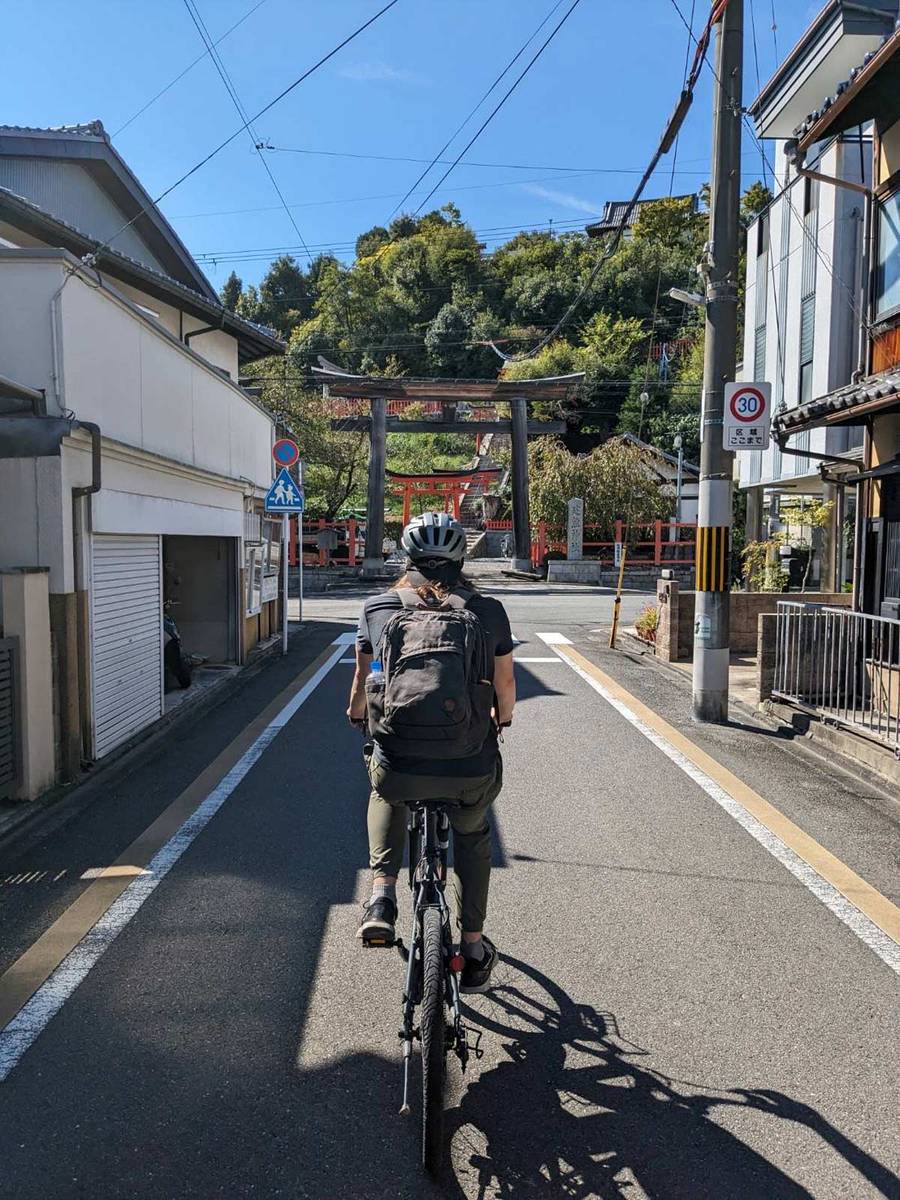
Kyoto city has changed a lot since then. And changes to the law in April 2026 are worth thinking about.
Japan's new Blue Ticket system lets police issue on-the-spot fines for 113 different cycling violations. The Japan Times reported that officers issued roughly 2,147 fines nationwide in the first month alone. Since April 1st, I have personally seen a noticeable rise in police pulling cyclists over and questioning them. The officers near our usual ride routes are more observant of riding behavior than I have seen in two decades of living here. They are watching for any possible illegal activity, and not just on tourists.
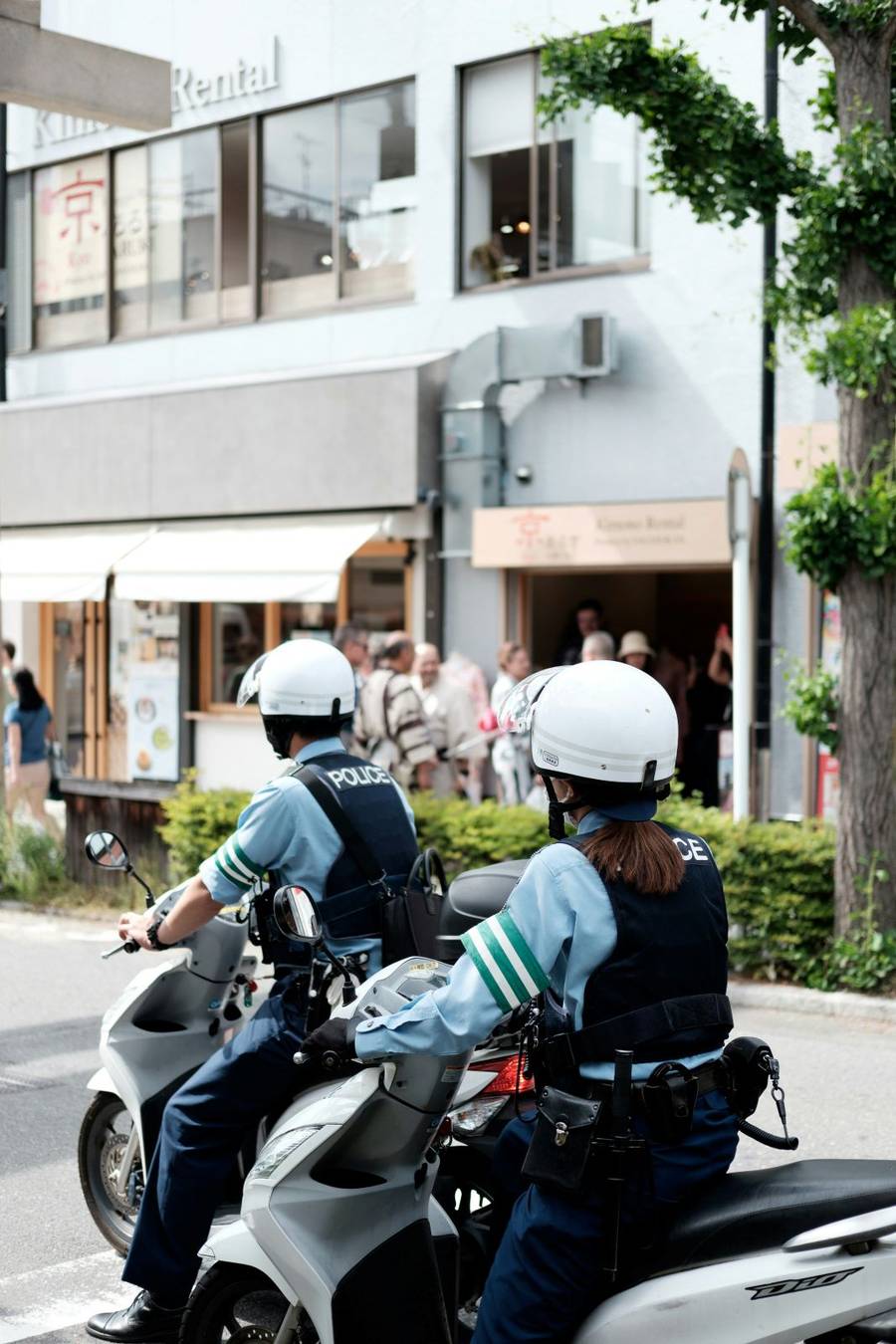
That is the context anyone weighing a Kyoto bike rental vs tour decision needs to start with. The choice is no longer just about money. It is about how much risk you carry when you do not read Japanese road signs.
This is the honest comparison. I have rented bikes here over the years. I have also led close to 1,000 guided tours in the ten years since NORU opened. Here is what each option actually looks like in 2026.
What renting a bike in Kyoto actually looks like
Where the shops are and what they charge
Most tourists who rent bikes in Kyoto start at a shop near Kyoto Station, around Shijo Karasuma, or in Arashiyama.
The current rates as of May 2026 sit roughly here:
- A standard three-gear city bike runs between ¥800 and ¥1,300 per day.
- An electric-assist bike runs between ¥1,700 and ¥1,800 per day at the main rental clusters.
- Kyoto Cycling Tour Project (KCTP) near Kyoto Station includes liability insurance and free helmets.
- That is not standard across all rental shops. Many smaller operations do not include either.
- Most rentals close at 18:00 or 18:30 sharp. The fees are charged per day between 9:00 and 18:00, not per 24-hour period.
The signage and language problem
The bigger shops handle foreign customers smoothly. KCTP, for example, has multilingual staff and English-language paperwork. The smaller rental shops down narrower side streets often do not. Rental agreements are in Japanese only. The road signage you encounter once you are riding is also in Japanese only.
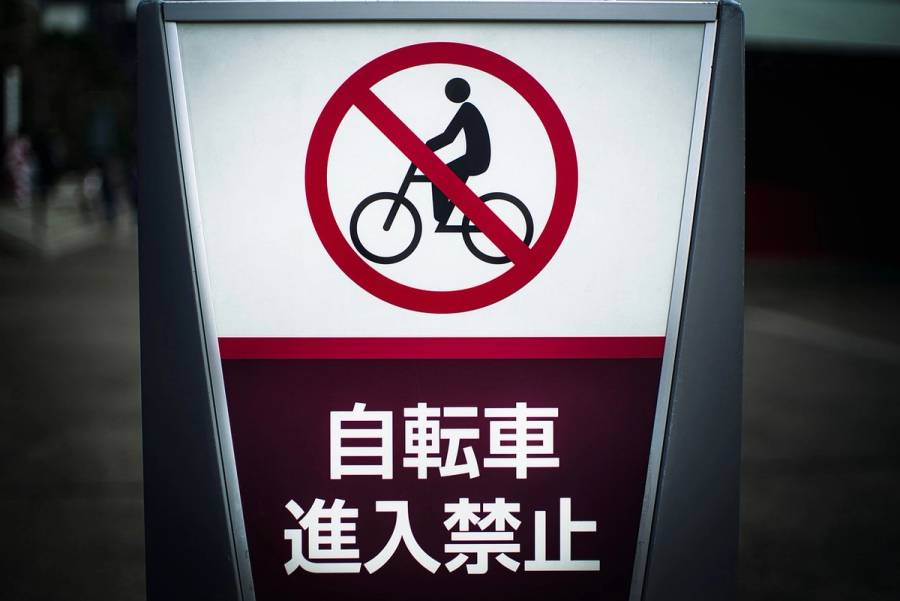
Bicycle-prohibited zones (自転車通行禁止) are marked with red circle signs. Pedestrian-only zones (歩行者専用) carry their own signage. Walking-mode-only sections of the sidewalk are signed in kanji. If you cannot read these, you are guessing.
The navigation problem
Google Maps cycling directions exist in Kyoto. They do not account for one-way streets or bike-prohibited shopping arcades. They also miss the difference between a legal bike path and a sidewalk you will be warned off. The map says one thing. The signage says another. The reality on the street is often a third thing.
A common pattern in our pre-tour conversations with first-time visitors is the same problem from a different angle. They tell me about previous trips when they got lost in Kyoto's backstreets. The city is laid out as a grid, but the streets are long and narrow. A single wrong turn at Sanjo can put you fifteen minutes away from where you wanted to be.
What a guided bike tour in Kyoto looks like
The format and the fleet
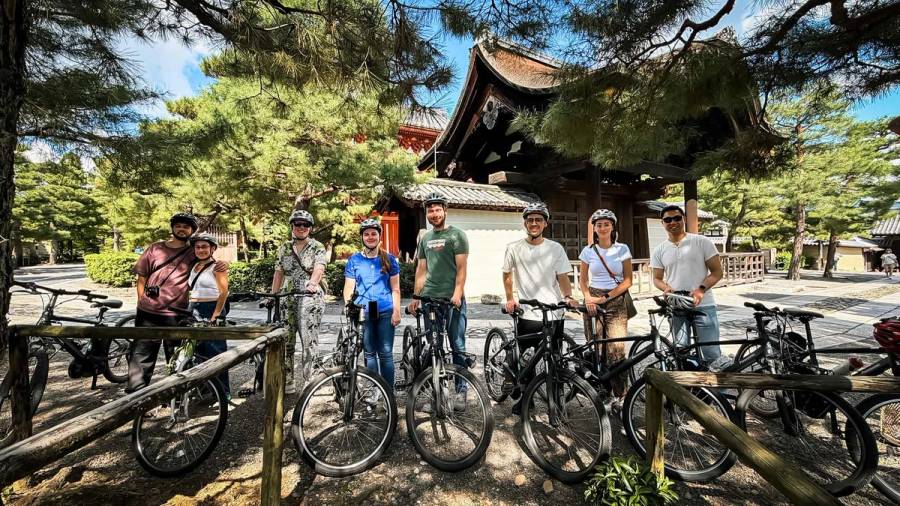
A guided bike tour is structured differently. You arrive at the meeting point. You are fitted to an e-bike. You get a pre-ride briefing. Then you ride with a small group and a local guide.
- At NORU, our groups cap at eight people.
- The pace follows the slowest rider, not the fastest.
- Our fleet runs on Panasonic Hurryer e-bikes, the BE-ELH642 model. These are Japanese-spec 電動アシスト自転車 (denki asisto jitensha).
- They are certified to meet the Road Traffic Act's progressive assist ratio and the 24 km/h cutoff.
- The Hurryer has a 26-inch frame, front suspension, V-brakes, and a 7-speed external transmission.
- Range is about 73 kilometers per charge.
The pre-ride briefing
The briefing is where most of the actual safety value sits. Our guides cover two things a rental shop does not.
The first is local riding law. We walk through which sidewalks you can ride and which you cannot. We cover when you must dismount and where the Blue Ticket fines apply most aggressively in Kyoto.
The second is local road etiquette. Kyoto streets are narrow and local residents expect a particular kind of behavior from people sharing the road.
- You give way at certain corners even when the law does not strictly require it.
- You ring your bell a certain way.
- You pass walkers on a particular side and at a particular distance.
These are unwritten conventions that locals can read instantly. Visitors who do not know them stand out, and standing out is what now draws police attention.
What's included
Both standard tours include the e-bike, helmet, full route planning, and water stops. The Secret Kyoto E-Biking tour is three hours and forty-five minutes and covers about 14 kilometers. The Arashiyama E-Biking tour is a little over four hours and closer to 24 kilometers. Both are ¥15,000 per person.
Where each option breaks down
Bike hire in Kyoto fails in three predictable ways.
- Getting lost costs time more than money. It compounds if you have a dinner reservation or a train to catch.
- Fines under the new Blue Ticket rules. Japan Today has explained that riding fast past pedestrians on a sidewalk is now an on-the-spot offense. Many tourists do not know the difference between a legal and an illegal sidewalk. They find out when they are stopped.
- Missing the places that make Kyoto worth riding for. The customers who book with us most often have already tried Kyoto on their own. The pattern in their stories is consistent. They had a good day. They saw the famous things. They missed the streets where regular Kyoto people actually live. That is the thing they came to see and could not find on their own.
The guided tour has its own weaknesses. The fixed start time does not suit every traveler. The route is the route. You cannot decide at 11 o'clock to skip a stop and ride somewhere else. For confident cyclists with their own Kyoto plan, that lack of flexibility is the main argument against booking.
So the honest case is this. Rentals fail on knowledge. Tours fail on flexibility.
The real cost comparison
Most rental-versus-tour calculations stop at the day rate. ¥1,800 for an e-bike rental versus ¥15,000 for a tour looks like an easy decision. It is not.
Here is a breakdown for you...
The numbers shift further once you factor in the cost of a single fine. A phone-while-riding ticket alone is ¥12,000. That is the price of a guided tour, with worse memories attached.
For the practical packing side, our Kyoto bike tour packing guide covers what to bring either way.
Who should rent, and who should book
Renting genuinely works for some travelers. If you cycle regularly at home, can read basic Japanese signage, and have already studied Japan's bicycle laws, rent. If you have a route you want to ride at your own pace, rent. You do not need a guided tour. Have a good day.
For anyone else, the math has shifted. A guided bike tour in Kyoto is worth it in 2026 in a way it was not in 2024. The cost of getting it wrong is higher now. The new fines, the language gap, and increased police observation all push the math in one direction.
If you want a custom route on your own schedule, our private tours split the difference. You get local guidance and route planning without the fixed-group structure.
The question worth asking
I think the Kyoto bike rental vs tour question is the wrong frame.
The better question is what a day in Kyoto is worth to you. If the answer is the cheapest possible day, rent. If the answer involves seeing the parts of Kyoto tourists usually miss, you already know. Same if it involves getting the new law right. Same if it means not closing out the day with a ¥12,000 fine.
For more on what the fines look like in Kyoto specifically, see our cycling rules and routes piece.
Frequently Asked Questions
As of May 2026, standard city bikes near Kyoto Station rent for ¥800 to ¥1,300 per day. Electric-assist bikes run ¥1,700 to ¥1,800 per day. Most shops operate on a 9:00 to 18:00 window rather than a 24-hour period. Insurance is not always included and is worth checking before you sign.
No. You can rent and ride independently. The trade-off in 2026 is that Japan's Blue Ticket enforcement and the Japanese-only signage carry real risk. That risk grows for visitors who do not read Japanese. A guided tour removes those risks. For confident cyclists with a planned route, renting is reasonable.
For most visitors, yes. The guided tour includes the bike, helmet, route planning, and a pre-ride briefing. The briefing covers both local law and local road etiquette. The fixed-route structure trades flexibility for safety and local knowledge. The math favors guided tours more strongly in 2026 than it did before the new fines.
Yes. E-bike rentals are available at multiple shops near Kyoto Station, Shijo Karasuma, and Arashiyama. Day rates run around ¥1,700 to ¥1,800. The e-bike still counts as a bicycle under Japanese law, so all the same Blue Ticket rules apply. Read our e-bikes and Japan's bicycle laws guide before you ride.