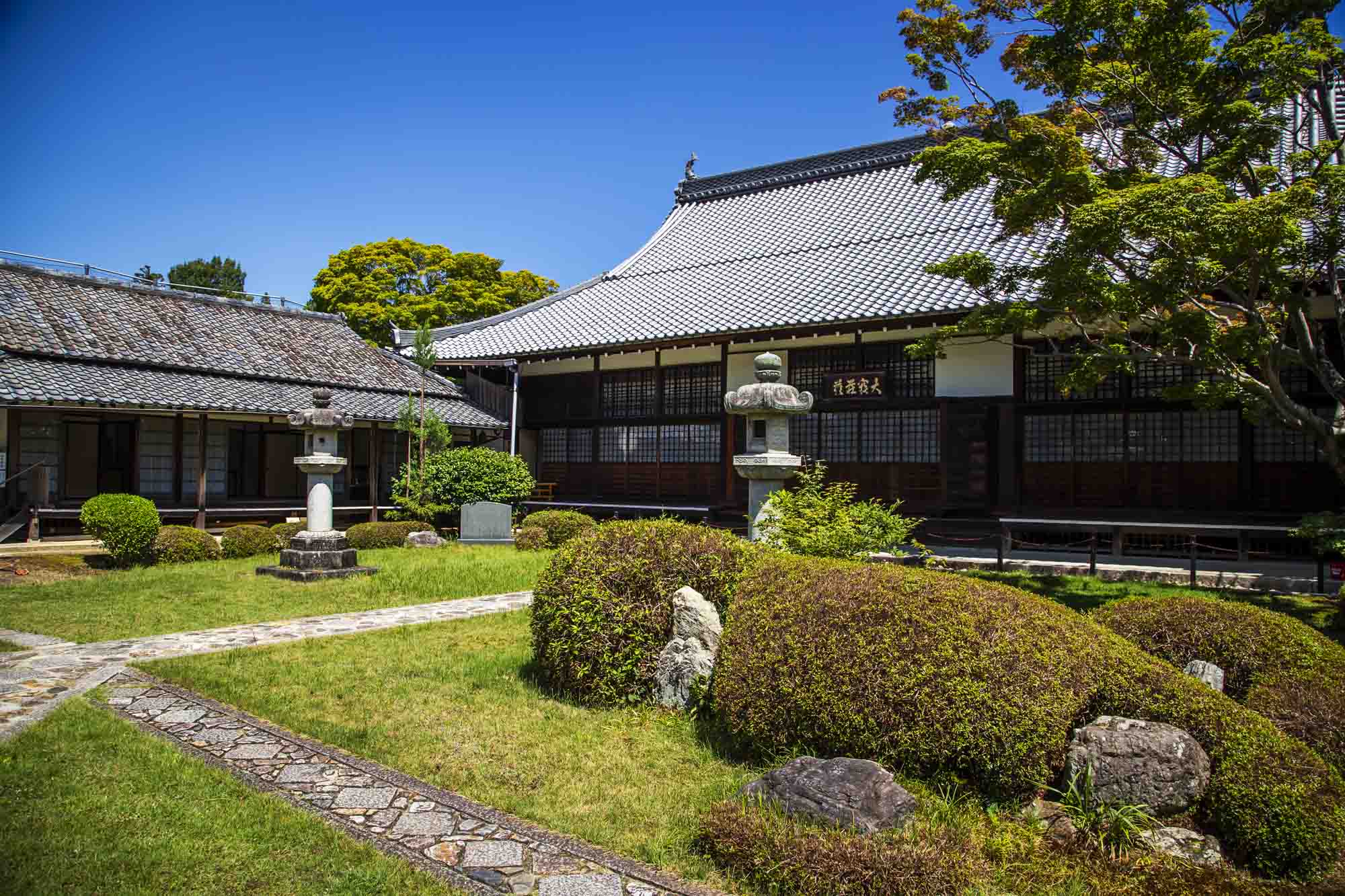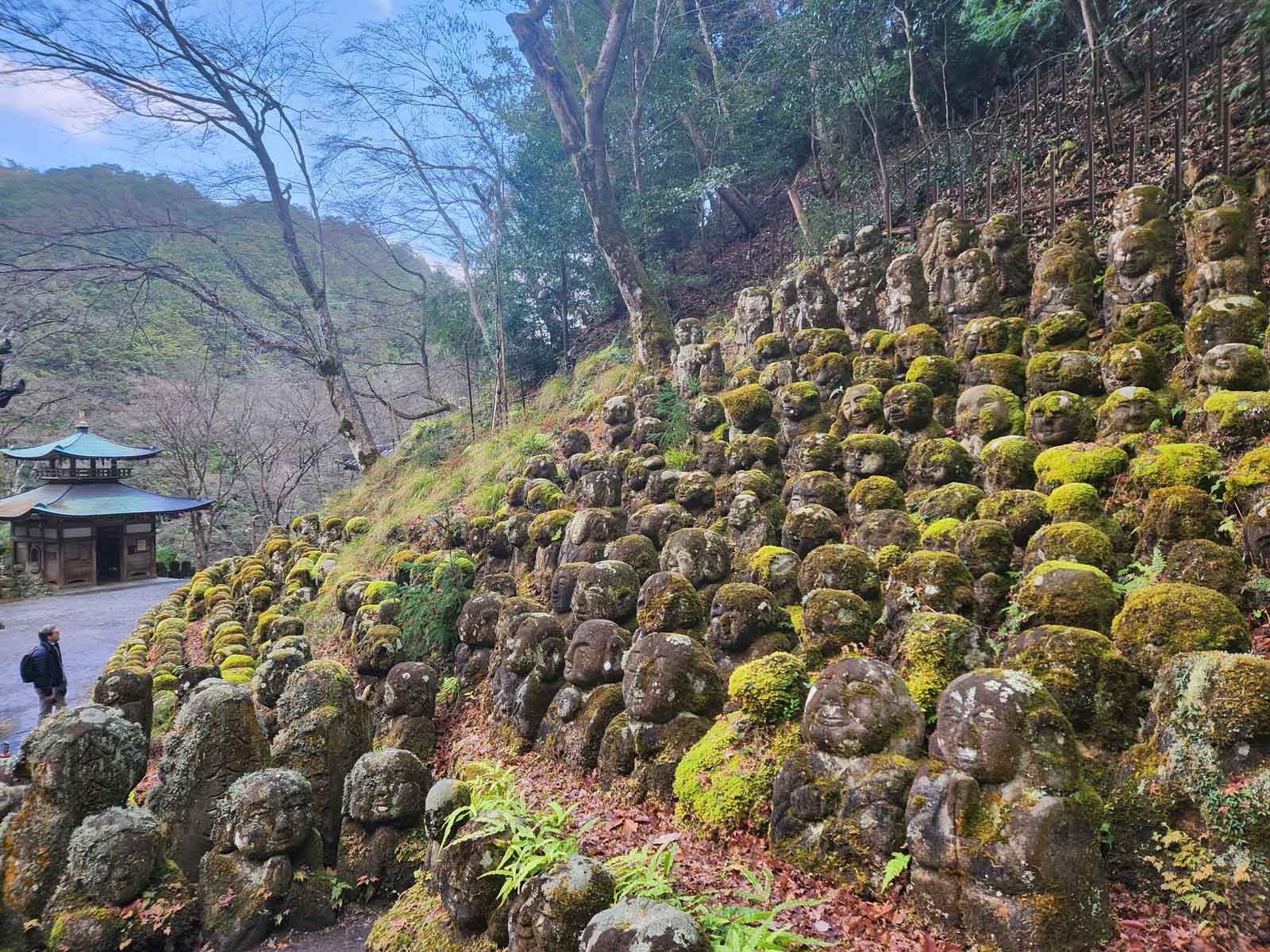
Kyoto is one of the most cycle-friendly cities in Japan. The central districts are flat. The distances between major sites are manageable on a bike. There is a well-established rental network and more dedicated cycling infrastructure than most visitors expect.
From April 1, 2026, Japan introduced on-the-spot fines for a wide range of cycling violations through the new Blue Ticket system. If you have not read the detail on that yet, the full breakdown is here. What this guide covers is how those rules apply specifically in Kyoto, which streets, which routes, and where visitors are most likely to run into difficulty without local knowledge.
How Kyoto's Streets Actually Work for Cyclists
When Kyoto was built 1,000 years ago, it was laid out on a grid. The major north-south and east-west avenues are wide, well-marked, and straightforward to navigate. But most of what makes Kyoto worth visiting sits behind those avenues, in a network of narrow lanes that follow older patterns.
In the older residential quarters, Nishiki, the streets behind Gion, the lanes around Fushimi, road widths drop significantly. Some streets are wide enough for one car and not much else. There are no painted cycling lanes. Pedestrians, cyclists, delivery vehicles, and the occasional taxi share the same surface. These streets are where most cycling violations involving pedestrians happen, and they are also where the new enforcement focus is most relevant.
Japan's road rule is straightforward: bicycles belong on the road, on the left, travelling in the same direction as traffic. In Kyoto's older lanes, that means staying close to the left edge and moving at a pace that lets you react to pedestrians stepping out of shops, cars backing out of narrow driveways, and other cyclists coming the other way.
The city has updated its official cycling guide for tourists to include an English PDF on the new Blue Ticket fines. It is worth reading before you hire a bike.
The Kamo River Path
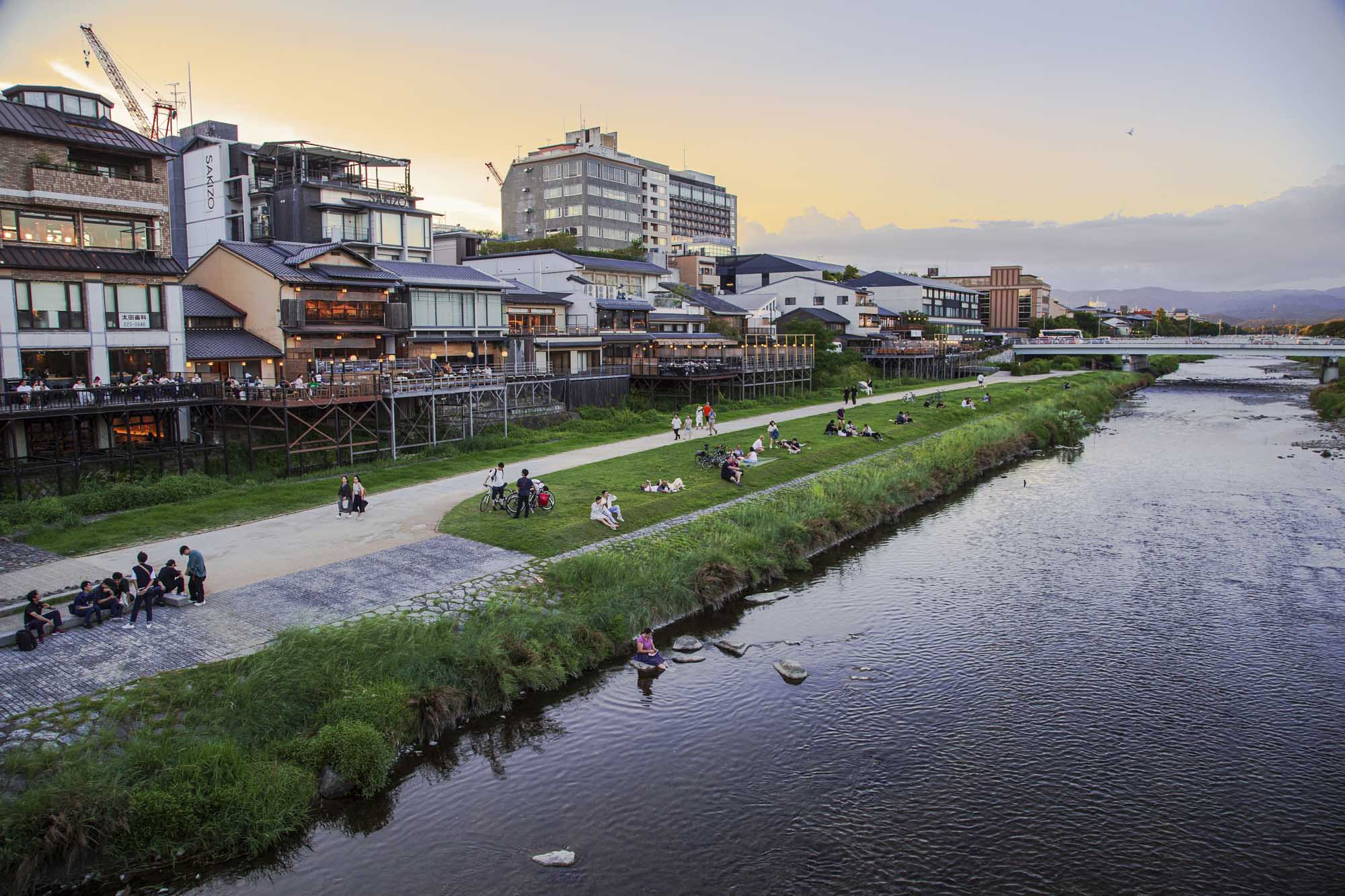
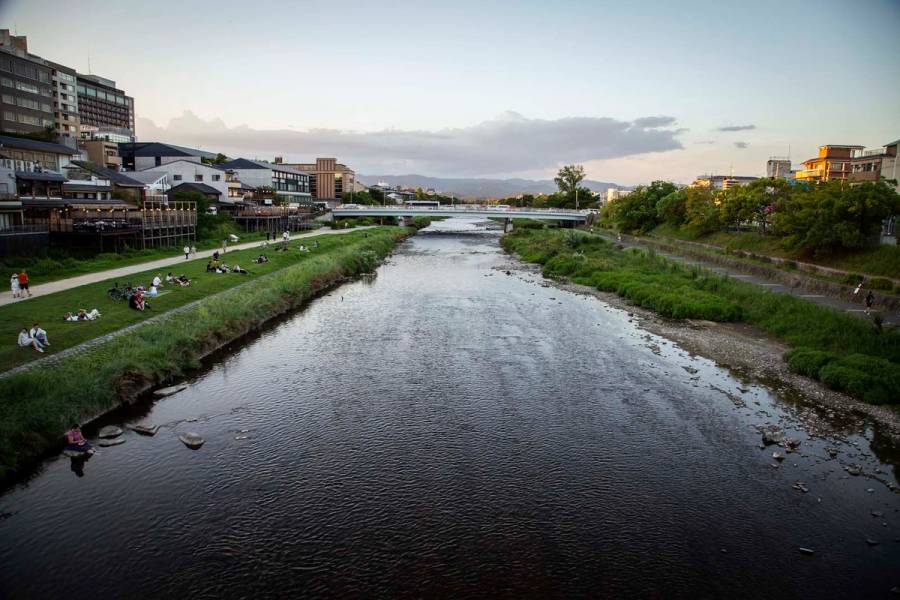
The Kamo River cycling path is the easiest entry point for visitors new to cycling in Kyoto. It runs roughly 17km along both banks through the central and northern parts of the city. It is flat, mostly paved, and removed from road traffic for large sections.
Cycling Along the Kyoto River
Under the new rules, the Kamo River path is also where you are least likely to have problems. The path runs below street level in many areas. You are not sharing road space with cars. The main thing to be aware of is the pedestrian traffic on the path itself, particularly in the central section between Sanjo and Gojo. Families walk here. Joggers use it. There are sections where the path narrows.
Cycling Past Kyoto Pedestrians
Riding fast past pedestrians on a shared path is now a fineable offense. A ¥6,000 blue ticket for dangerous pavement or shared-path cycling is possible if an officer judges that your speed caused someone to stop or jump aside. Ride at a pace that gives you time to slow down for anything in front of you.
Using Your Phone While Cycling in Kyoto
The river path also brings up the phone issue. Checking Google Maps while moving is the single most common mistake visiting cyclists make. It now carries a ¥12,000 fine. Learn the Kamo River path before you set off, it runs in one direction along two banks — and you will not need to check your phone at all.
Gion Backstreets: a Kyoto Cycling 'No-Go' Zone
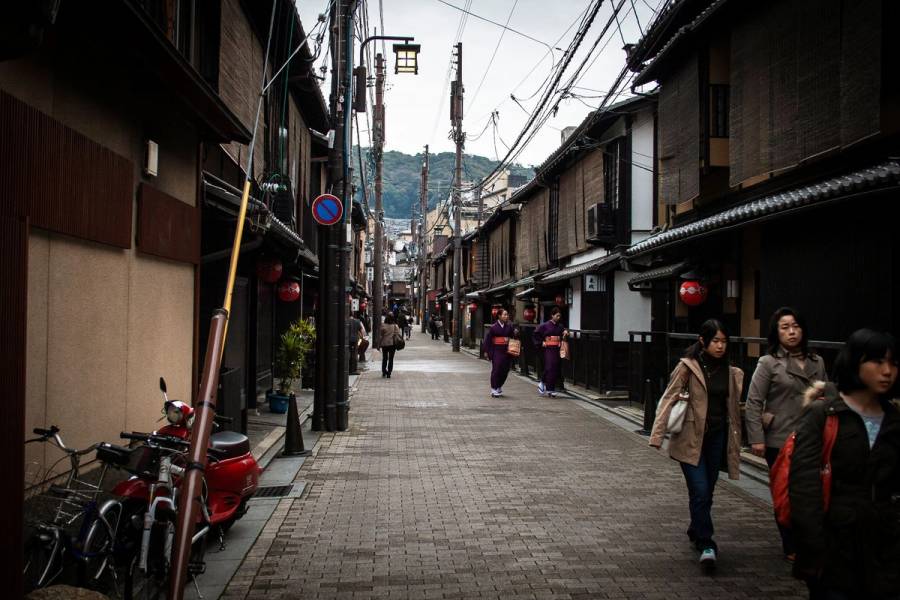
The streets around Gion require more attention than the river path. Local knowledge makes a genuine difference here, and it is where first-time riders in Kyoto tend to feel least comfortable.
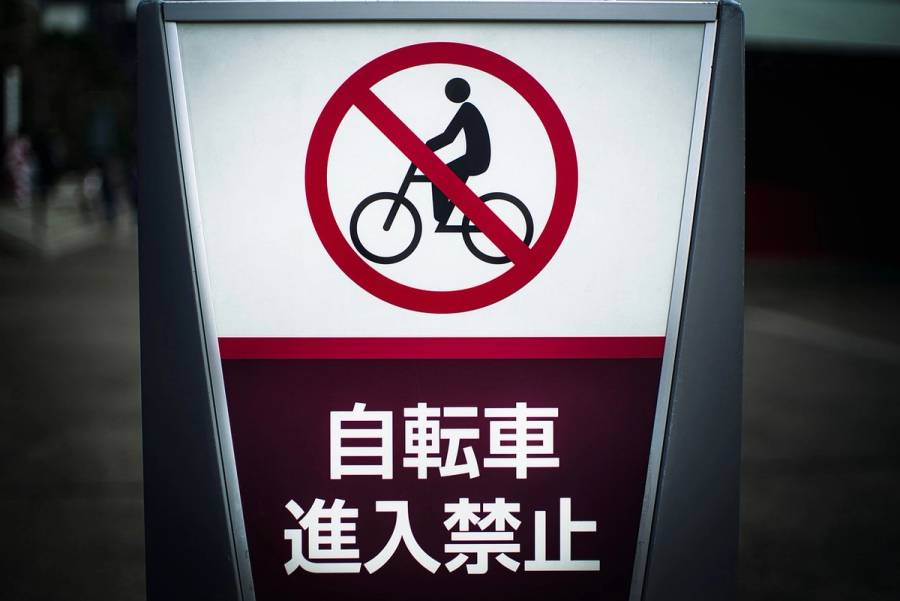
The main tourist streets in Gion, Hanamikoji and the lanes immediately around it are pedestrianized or have restrictions on bicycle access at certain times. Many visitors miss the signage, partly because it is in Japanese and partly because the streets look open. Cycling through a pedestrianized zone is a violation regardless of how slowly you are moving.
Riding Against the Kyoto Traffic
The backstreets one block removed from the main tourist corridors are different. These are the roads that actually connect Gion to the river, to Yasaka Shrine, and to the quieter residential streets beyond. Narrow, mostly unmarked, and shared with slow-moving traffic. Riding against traffic in these lanes is a ¥6,000 fine and a genuine hazard.
In the older machiya districts, there is also a cultural habit of cycling on pavements that has been tolerated for years. Locals do it. Some rental bike maps implicitly assume it. Under the new system, it is not automatically illegal but it is enforced when it creates danger. In a street where the pavement is half a metre wide and shared with pedestrians carrying shopping, moving at speed is not manageable. Slow down or move to the road.
The Arashiyama Approach
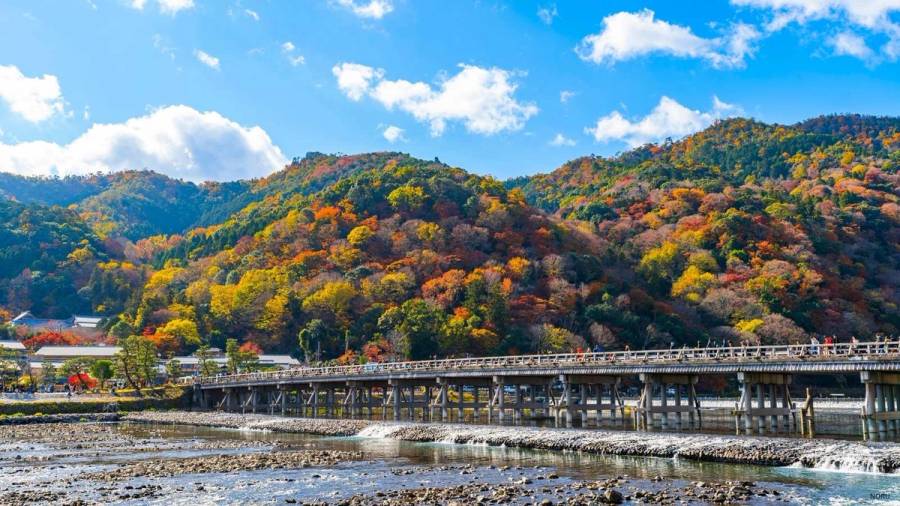
Arashiyama requires a longer ride from central Kyoto, and the approach roads cover several different street types. The route from the city centre passes through residential neighbourhoods before opening into the wider roads near the Oi River.
From September 2026, residential roads without a centreline will have a statutory speed limit of 30 km/h for all vehicles. A large number of the streets on the Arashiyama approach fall into this category. The change reduces the speed differential between cyclists and passing cars, which makes these streets more comfortable to ride.
Where to Park Your Bicycle
The Arashiyama area itself draws large crowds during cherry blossom season and autumn colour. The bamboo grove is a 10-minute walk from the main street and is pedestrianized. You cannot ride through it. Bicycle parking near Arashiyama is designated, so do not leave a bike on the street. Kyoto enforces bicycle parking rules and impounded bikes require a trip to a collection point and a fee to recover.
The roads around Tenryuji and the approach to Jojakko-ji are shared with pedestrian traffic and can be slow going at peak times. Stay left, keep your speed down, and do not use your phone to navigate through the crowds.
What the New Driver Rules Mean for Kyoto Cyclists
The April 2026 changes include new obligations for drivers as well. Motorists now face fines of ¥5,000 to ¥9,000 if they fail to maintain a safe lateral distance when passing a cyclist. If the gap is not sufficient, they must slow down first.
Cycling in Kyoto's Narrow Streets
This matters in Kyoto because the city has a significant number of roads where a safe passing distance is difficult to maintain. Narrow lanes in older residential areas, the roads running alongside the Kamo River, the approach streets into Arashiyama. These are all places where cyclists have historically felt squeezed by passing vehicles.
The new rule puts a clear legal obligation on drivers to treat cyclists as road users rather than obstacles. Combined with the 30 km/h residential road limit coming in September, the riding environment in Kyoto's quieter streets should be noticeably calmer by the end of 2026.
Riding Kyoto Confidently
The new enforcement system is not designed to catch cautious riders. It targets the behaviors that have contributed to 67,000 bicycle accidents nationally in a single year. For a visitor who keeps left, stops at red lights, and puts the phone away while moving, Kyoto's streets are manageable and genuinely enjoyable to ride.
That said, there is a real difference between manageable and easy. First-time riders in an unfamiliar city are working through multiple things at once: reading an unfamiliar road layout, adjusting to left-side traffic, navigating without getting lost, and staying aware of what is happening around them. Knowing what to bring and understanding the routes before you arrive makes all of that easier.
A guided tour removes most of those variables. Your guide knows the routes, manages the group's positioning on the road, handles the navigation, and covers the cycling rules with everyone before the first turn. The phone stays in your pocket. You ride the city rather than manage it.
NORU's Secret Kyoto and Arashiyama tours both run through the streets and routes covered in this guide. For visitors who want a custom route built around their interests, private tours are available. If you want to ride independently and just need to understand the city better first, the local guide to Kyoto bike tours is a good starting point.
Kyoto by bicycle rewards the rider who takes it at the right pace. The new rules are one more reason to do exactly that.
Frequently Asked Questions
Bicycles are required to use the road in Japan. Pavement cycling is permitted where signage allows it, or for riders under 13 or over 70. Under the 2026 Blue Ticket system, slow and cautious pavement riding is unlikely to result in a fine, but riding in a way that endangers pedestrians can cost ¥6,000.
Some streets in Gion are pedestrianised and off-limits to cyclists at certain times. The main tourist lanes around Hanamikoji have access restrictions that are easy to miss if you do not read the signage. The backstreets connecting Gion to the Kamo River and Yasaka Shrine are generally open to cyclists and are some of the best riding in the city.
The Kamo River path is shared with pedestrians and joggers. Riding fast past pedestrians in a way that forces them to stop or move aside is a fineable offence under Japan's 2026 Blue Ticket system, with fines of up to ¥6,000. Ride at a pace that gives you time to react, and keep your phone away while moving.
Yes. The route from central Kyoto to Arashiyama passes through residential neighborhoods before opening into wider roads near the Oi River. The bamboo grove itself is pedestrianized and you cannot ride through it. Bicycle parking near Arashiyama is designated, and leaving a bike on the street can result in it being impounded.