Japan's new Blue Ticket enforcement system took effect on April 1, 2026. If you have been following this topic, you already know the basics:
- On-the-spot fines for 113 violations
- Applying to all cyclists aged 16 and older.
What a lot of visitors on e-bike tours want to know is whether the rules apply to them in the same way.
The short answer is yes. An e-bike in Japan is treated as a bicycle under the Road Traffic Act, which means every rule that applies to a standard bicycle applies to an e-bike too. The same fines, the same road behavior, the same left-side riding requirement. The motor does not change your legal status on the road.
There are a few things worth understanding in more detail, though, because Japan's rules around what counts as a legal e-bike are stricter than most visitors expect.
How Japan Defines an E-Bike
The Three Legal Conditions an E-Bike Must Meet
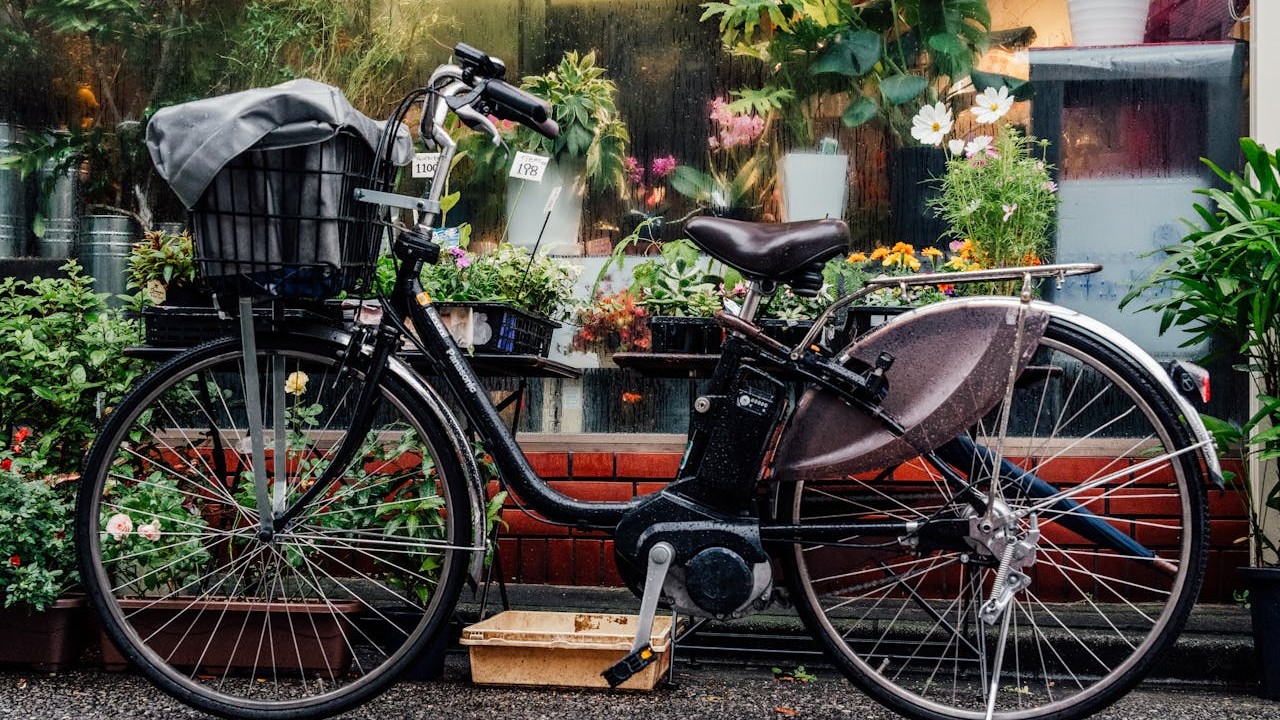
In Japan, the official term for a legal e-bike is 電動アシスト自転車 (denki asisto jitensha), which translates literally as "electrically assisted bicycle." The key word is assisted. The motor is only permitted to support your pedaling effort. It cannot power the bike independently.
To be classified as a bicycle under Japanese law, an e-bike must meet three specific conditions set out in the Road Traffic Act.
- The motor must only engage while the rider is actively pedaling. A bike that moves under motor power alone, without the rider pedaling, is not a bicycle under Japanese law. It is classified as a moped or motor vehicle, which requires a license, registration, insurance, and a number plate.
- The motor assist must taper gradually as speed increases. Below 10 km/h, the motor can provide up to twice the force of your pedaling effort. Above 10 km/h, the ratio decreases gradually until it reaches zero at 24 km/h. This graduated system is specific to Japan and differs from the flat output limits used in Europe.
- Any e-bike that meets these three conditions can be ridden without a license and needs no registration. It is treated exactly like a standard bicycle for all road purposes, including the new Blue Ticket fines.
Japan's 24 km/h Assist Limit Explained
The motor assist must cut out completely at 24 km/h. Above that speed, you are riding on leg power alone. This is stricter than most other countries. The EU limit is 25 km/h. In the United States, limits vary by state but are generally higher.
- The 24 km/h threshold is not a speed limit for the bike itself. You can still ride faster than that under your own power. What the law controls is when the motor is permitted to assist you.
- Above 24 km/h, the motor goes silent and the bike behaves like any other bicycle. In practice, most riders on Kyoto's streets and paths will rarely reach that speed anyway.
Why Overseas E-Bikes Often Don't Qualify
If you are used to riding an e-bike in another country, Japan's assist threshold is lower than you may expect. Many popular European and North American e-bikes provide full motor output up to their cutoff speed, which does not match Japan's graduated assist requirement.
Some overseas bikes also include a throttle mode that allows the motor to run without pedaling. That single feature is enough to push a bike outside the legal definition of an e-bike in Japan, regardless of its top assist speed.
Japan's Consumer Affairs Agency has previously issued warnings about imported bikes being sold as e-bikes that do not meet the legal standard. In some cases, Kyoto Prefectural Police were involved in enforcement action against sellers of non-compliant models.
If you are considering buying or privately renting an e-bike in Japan, it is worth verifying compliance before you ride.
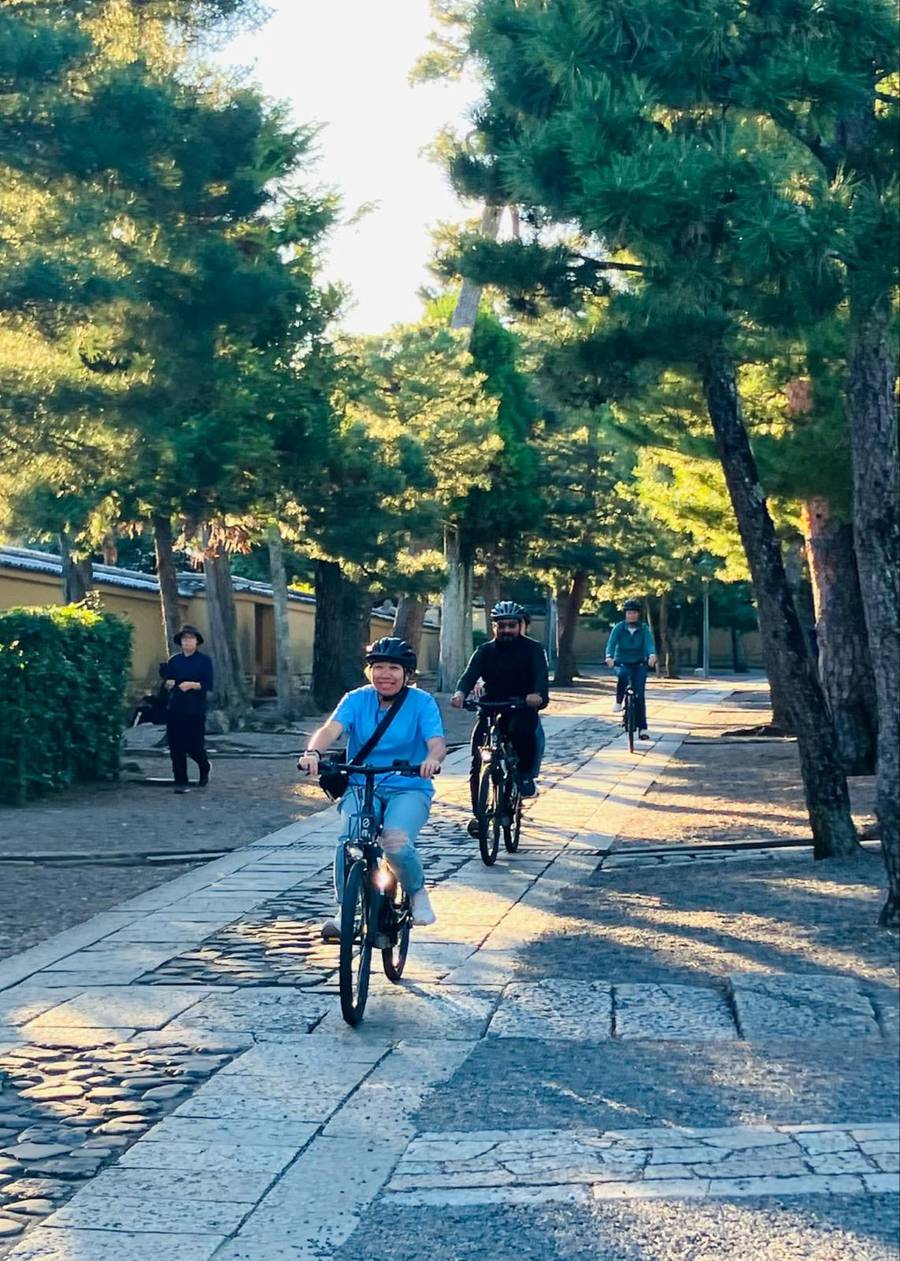
What This Means for Tourists Hiring E-Bikes
How to Check if a Rental E-Bike is Legal in Japan
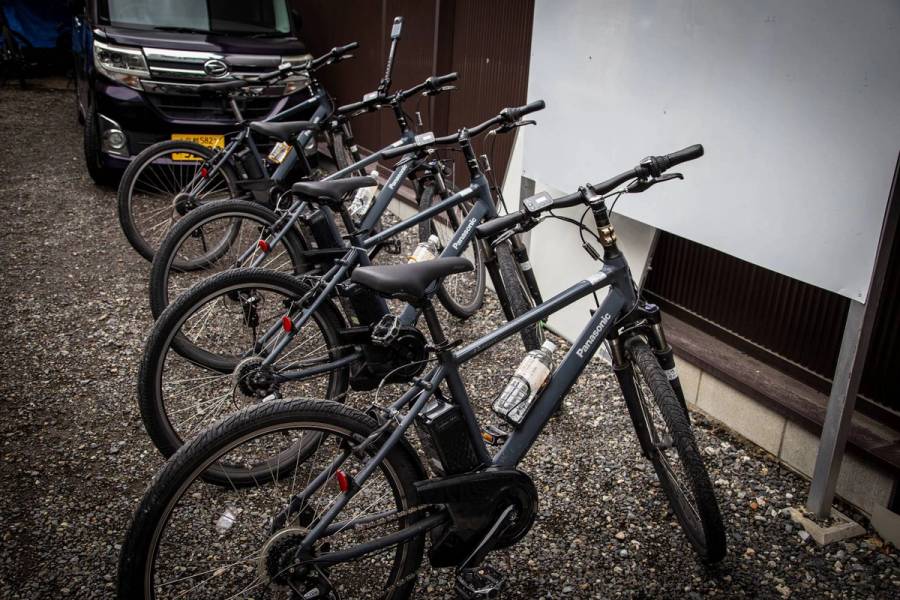
Most tourists hire bikes from a rental shop, a share-cycle station, or a tour operator, such as NORU Kyoto Bike Tours. If you are hiring from a reputable local source, the bikes will be legally compliant.
Where the issue occasionally arises is with travelers who bring their own bike to Japan, or who buy a cheap imported model after arrival.
If you are in any doubt about a bike you own or are considering renting privately, look for the TS mark (型式認定) on the frame. This is Japan's official type-certification mark confirming the bike meets the Road Traffic Act standards. Reputable manufacturers and rental shops use certified models. No TS mark means no certainty about compliance.
Why Tour Operators Are a Safe Choice
Rental operators and tour companies are subject to Japanese safety regulations, and a non-compliant bike creates serious liability. For those joining a guided tour, bike compliance is not something you need to think about. The bikes are certified, maintained, and ready to ride. Your only job is to follow the road rules.
The Blue Ticket Violations Most Relevant to E-Bike Riders
Since an e-bike is legally a bicycle, every Blue Ticket violation applies. The ones worth thinking about specifically for e-bike riders are the ones where the motor changes your behavior on the road.
Speed Through Shared Spaces
The motor makes it very easy to reach and hold 20 km/h on flat ground without much effort. On Kyoto's Kamo River path or in the approach to Arashiyama, that is too fast for a shared space with pedestrians.
Riding past someone at speed on a narrow shared path is now a fineable offense if it causes them to stop or jump aside. The fact that you reached that speed easily on motor assist does not change the rule.
Using Your Phone While Riding
This carries the highest Blue Ticket fine at ¥12,000. E-bike riders navigating an unfamiliar city are just as likely to reach for Google Maps as anyone else, and the ease of riding on motor assist makes it tempting to check directions without stopping.
Put the route in your head before you leave, or pull over to check. Holding the phone while moving is what triggers the fine.
Earphones and Listening Devices
A ¥5,000 fine applies to earphones that seal both ears. Single-ear use is permitted, as are bone conduction designs that allow you to hear your surroundings clearly. Earphones are more common among e-bike riders than on standard bikes, so this is worth knowing before you set off.
Riding Against Traffic in Japan
A ¥6,000 fine. The assist motor does not change which side of the road you belong on. Japan drives on the left. Cyclists ride on the left, in the same direction as traffic. For the full list of violations and fines, the Blue Ticket breakdown in our earlier guide covers all 113 offenses.
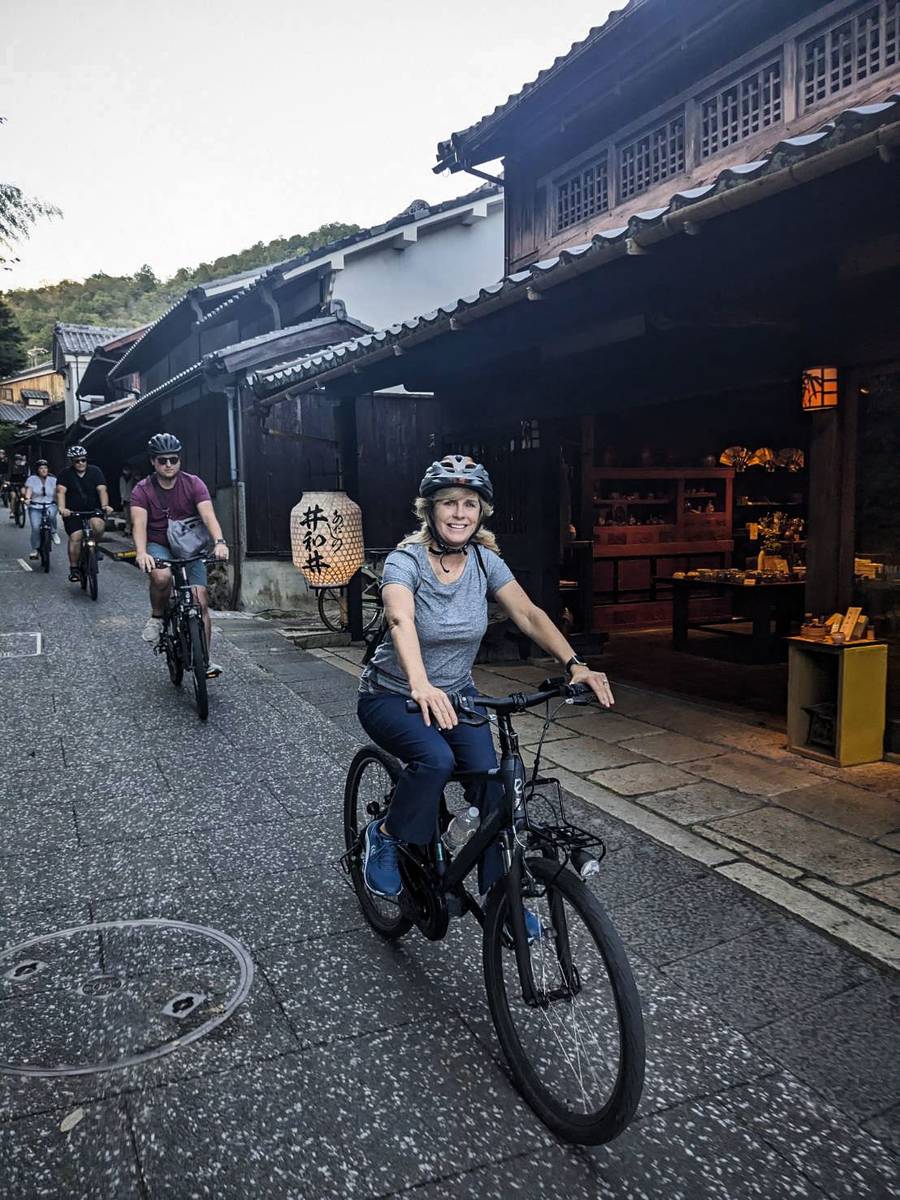
E-Bikes on Kyoto's Narrower Streets
How the Assist Motor Behaves in Stop-Start Urban Riding
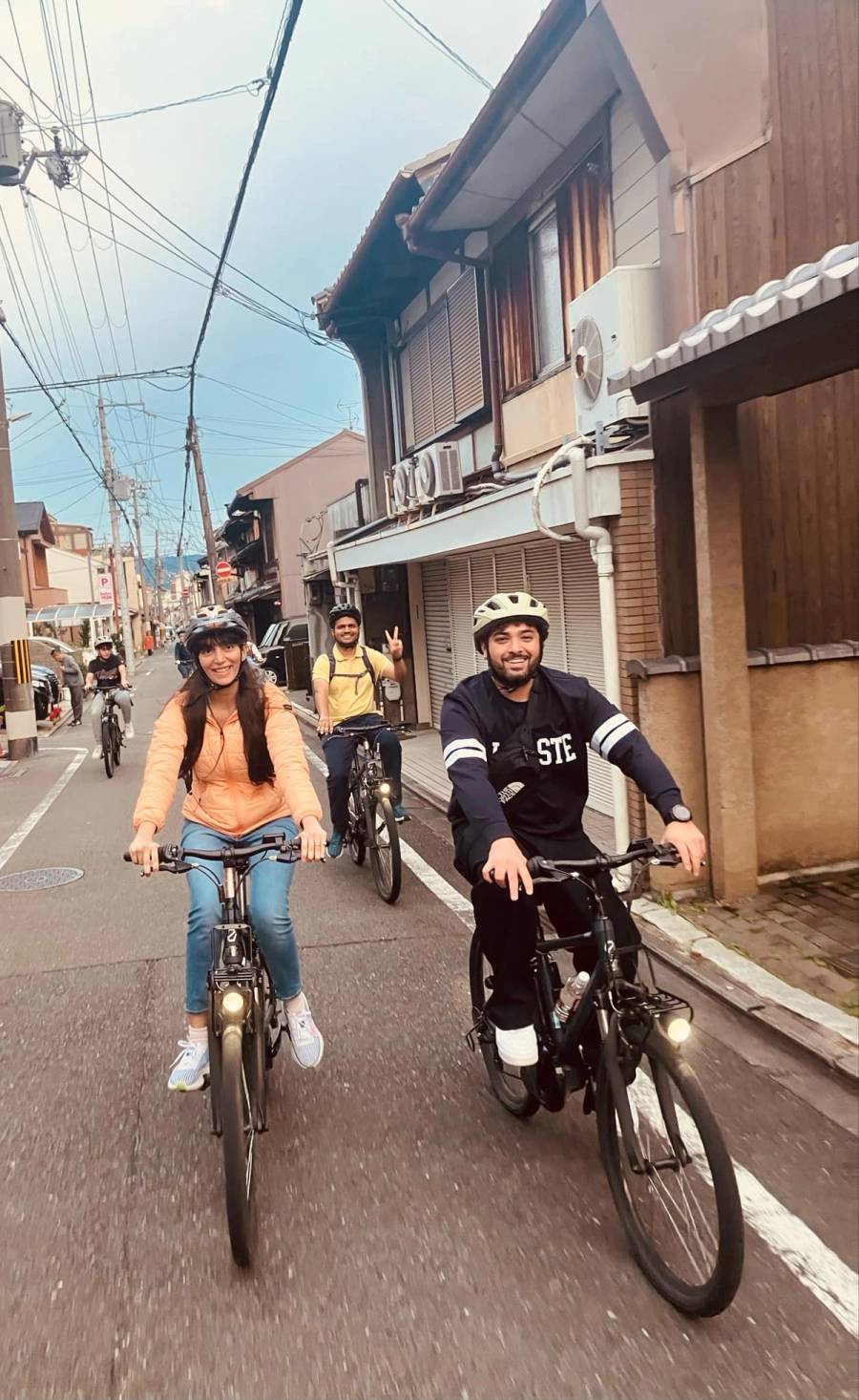
One practical difference between riding an e-bike and a standard bike is speed management on Kyoto's narrower streets. The lanes around older residential districts, the streets leading to temple gates, these are places where you want to be moving slowly and reading your surroundings.
What New E-Bike Riders Notice First in Kyoto
On a standard bike, some speed management happens naturally because you are working harder to maintain pace. On an e-bike, it requires a bit more conscious thought. New riders often find the assist feels stronger than expected on Kyoto's flat central streets, where even light pedaling keeps you moving quickly.
This is one reason a guided introduction to Kyoto on an e-bike is more useful than it might sound, even for confident cyclists. Understanding how the assist responds in a stop-start urban environment is different from riding on an open path. For more on how e-bikes change the experience of riding through the city, see why e-bikes work differently from walking tours in Kyoto.
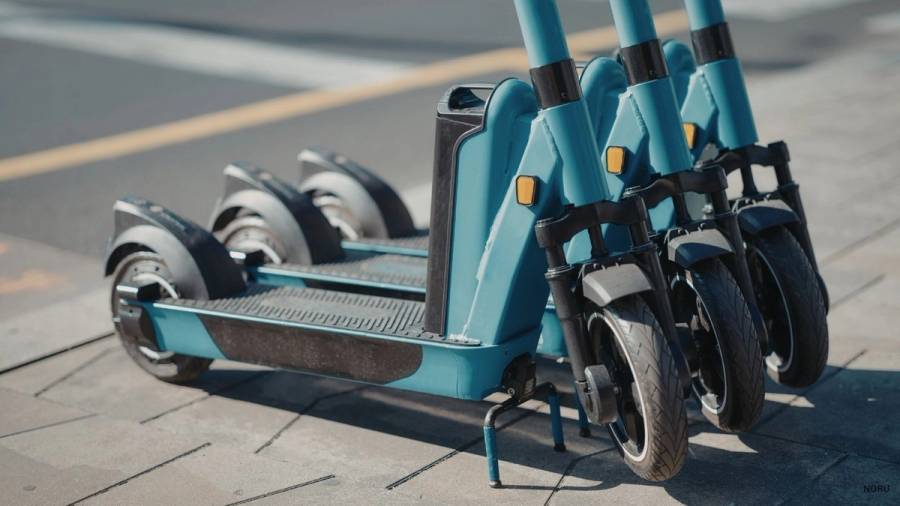
What About E-Scooters?
How E-Scooters Are Classified Under Japanese Law
E-scooters are a separate category entirely. In Japan, they are classified as "specified small motorized vehicles" (特定小型原動機付自転車), not bicycles. They are subject to different rules, different fines, and in some configurations require insurance. The Blue Ticket system that applies to cyclists does not apply here — e-scooter violations fall under their own enforcement structure.
Where E-Scooters Can and Cannot Be Ridden
Share-ride services like LUUP operate legally in Japan's major cities, but permitted riding areas and speed limits vary. E-scooters are generally restricted to roads and designated paths. Riding them on standard pavements is not permitted above 6 km/h. If you are planning to rent an e-scooter during your trip, check the National Police Agency's guidance on permitted areas before you set off.
Riding Confidently on an E-Bike in Japan
The 2026 enforcement changes did not introduce new obligations specifically for e-bike riders. They reinforced existing rules that have always applied. An e-bike is a bicycle under Japanese law, and the basic principles:
- ride on the left
- stop at signals
- keep the phone away
- respect pedestrian space.
What has changed is that ignoring those principles now carries a real financial cost. For riders who approach Kyoto's streets with some patience and basic awareness of local rules, the e-bike remains exactly what it has always been here: the most practical and enjoyable way to cover ground in a city full of things worth stopping for.
NORU's Secret Kyoto tour and Arashiyama tour both use certified, compliant e-bikes maintained to Japanese road standards. Every group gets a riding briefing before departure. For riders who want a fully customized route, private tours are available year-round.
Frequently Asked Questions
Yes. Under Japanese law, a compliant e-bike is classified as a bicycle, which means the 2026 Blue Ticket enforcement system applies in full. The same 113 violations and the same fines, from ¥3,000 to ¥12,000, apply to e-bike riders as to anyone on a standard bicycle.
No license is required to ride a legally compliant e-bike in Japan. To qualify as a bicycle under the Road Traffic Act, the bike must only assist while you are pedaling, and the motor assist must cut out completely at 24 km/h. A bike that moves under motor power alone, or exceeds the assist threshold, is classified as a moped and requires a license, registration, and insurance.
Japan's Road Traffic Act requires that motor assist cuts out completely at 24 km/h. Above that speed, you are riding on leg power only. This is stricter than most other countries, the EU limit is 25 km/h and US limits are generally higher. Bikes that provide assist beyond 24 km/h do not meet Japan's legal definition of an e-bike.
Look for the TS mark (型式認定) on the frame. This is Japan's official type-certification mark confirming the bike meets Road Traffic Act standards. Reputable rental shops and licensed tour operators use certified models. If you are hiring from an unlicensed private source or considering bringing your own overseas e-bike, verify compliance before riding. Non-compliant bikes are treated as mopeds under Japanese law.