Sustainable Tourism Japan: A Guide from Basics to Practice
1. Core Concepts of Sustainable Tourism
Sustainable tourism is a way of traveling that helps local people and protects the environment. It means enjoying new places without causing harm to nature, culture, or communities.
The United Nations World Tourism Organization (UNWTO) created an official definition. They say sustainable tourism should consider three things: the environment, society, and the economy. It should meet the needs of travelers today without hurting future generations [1].
This idea has three main parts, often called "pillars."
1.1. Environmental Conservation
This means protecting natural resources like forests, oceans, and wildlife. When too many tourists visit a place, they can damage it. A beach covered in trash or a forest with worn-out trails takes many years to heal. Sustainable tourism tries to prevent this damage before it happens.
1.2. Cultural Preservation
Every place has its own traditions, history, and way of life. Tourists should respect these things, not change them. Local festivals, traditional crafts, and historic buildings are valuable. They deserve protection.

1.3. Economic Contribution
When you travel, your money should help local people. This happens when you choose locally-owned hotels, eat at family restaurants, and hire local guides. Big chain hotels often send profits to faraway headquarters. Local businesses keep that money in the community. This creates jobs and supports families.
Japan takes sustainable tourism seriously. In 2018, the Japan Tourism Agency created a special department to promote it. They want tourism to help small towns and rural areas grow stronger.
The numbers show why this matters. In 2024, tourism made up 7.5% of Japan's economy—about ¥44.6 trillion. The industry supports over 6 million jobs [2]. With so many people depending on tourism, how we travel affects millions of lives.
2. Why Sustainable Tourism Matters Now
Sustainable tourism is now a global priority. The problems caused by mass tourism have become too big to ignore.
Japan is a perfect example. In 2024, the country welcomed a record 36.86 million international visitors. That number is 16% higher than 2019, before the pandemic [3]. More tourists sounds like good news. But there is a problem.
Most visitors go to the same few places. According to the Japan Tourism Agency, about 70% of international tourists stay in just three cities: Tokyo, Osaka, and Kyoto [4]. Imagine millions of people crowding into the same neighborhoods, temples, and train stations. This creates serious problems called "overtourism."
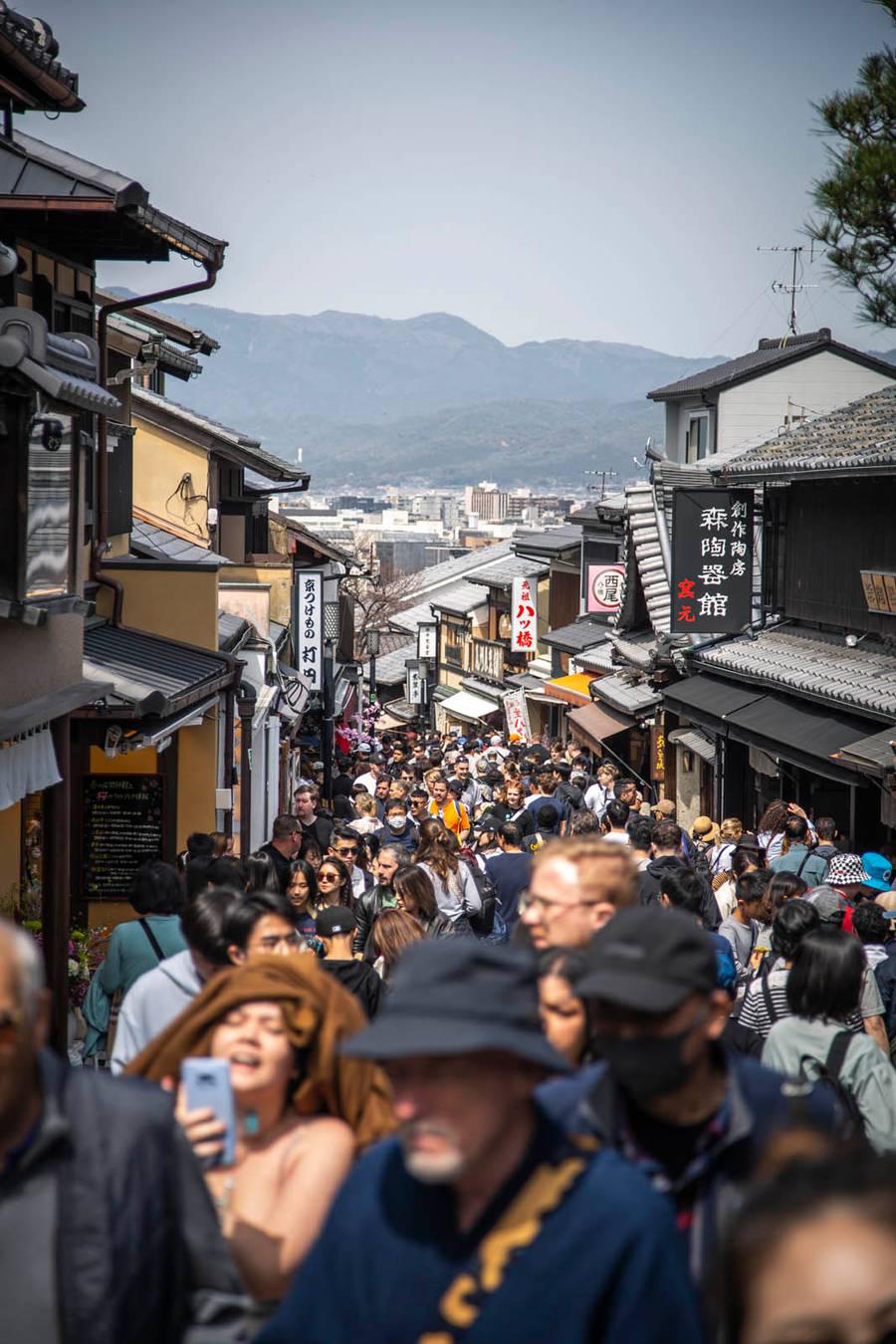
Governments around the world are taking action. They know tourism needs to change. The United Nations has set goals called the Sustainable Development Goals (SDGs). Countries must meet these goals by 2030. Sustainable tourism is a key part of that plan.
Japan's government is trying something new. Instead of chasing bigger tourist numbers, they want better tourism. Their strategy has three parts:
- Encourage visitors to explore lesser-known places. Small towns and rural areas have amazing things to see. Spreading tourists across the country helps everyone.
- Help different regions work together. Cities and towns share ideas and resources. This makes the whole system stronger.
- Use creative solutions to reduce crowding. New technology and smart planning can make popular places more manageable[2].
The goal is simple: quality over quantity.
3. Understanding Overtourism
Overtourism happens when too many tourists visit the same place. The crowds harm local residents, damage nature, and hurt cultural sites.
You can see this problem clearly in Japan. In Kyoto's Gion district, tourists pack the narrow streets. Around Kiyomizu-dera Temple, the situation is the same. Tokyo's Asakusa area faces identical challenges.
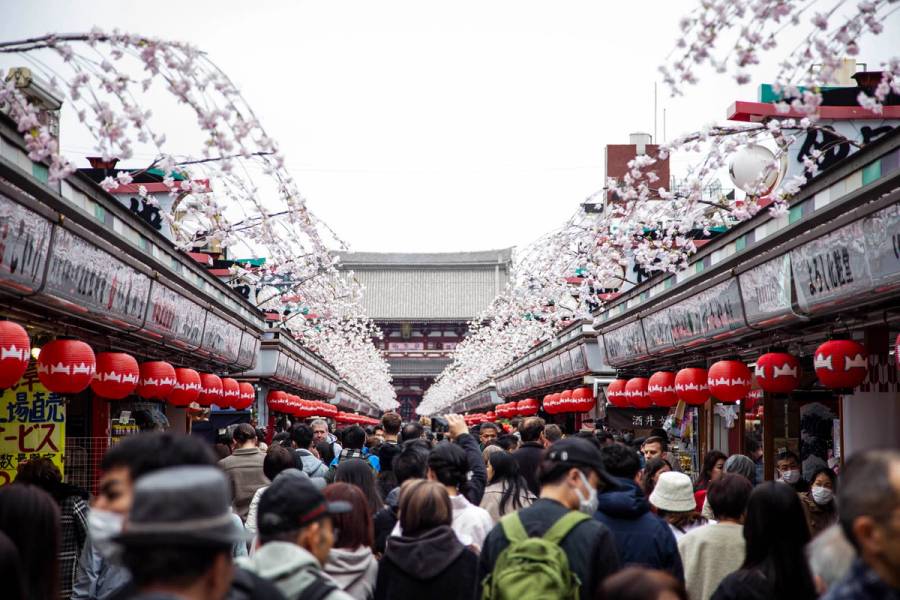
What does overtourism look like in daily life? Roads become jammed with tour buses. Trash piles up in beautiful places. Noise disturbs people trying to live normal lives. Residents cannot walk to the grocery store without fighting through crowds.
This creates a strange cycle. Tourists visit because a place is special. But too many tourists destroy what made it special. The destination loses its charm. Everyone suffers—locals and visitors alike.
Japanese cities are fighting back with different solutions.
Some places limit how many people can enter. Popular temples now require advance reservations. Visitors must book online and pay before arriving.
Other cities charge tourism taxes. This extra fee helps pay for cleanup and repairs:
- Kamakura City encourages tourists to spread out. They promote lesser-known spots instead of the most famous ones. This takes pressure off crowded areas.
- Kanazawa City protects its traditional townhouses. They created rules so tourism does not destroy historic neighborhoods.
Kyoto is trying something creative. E-bike tours with local guides are becoming popular. These tours skip the crowded temples. Instead, guides show visitors hidden places that only residents know about. Tourists get a better experience. Famous sites get a break.
Sustainable tourism offers real solutions to overtourism. It changes how we travel so that everyone benefits [2].
4. The Three Pillars of Sustainable Tourism
4.1. Environmental Conservation
The first pillar of sustainable tourism is protecting the environment. This means taking care of nature, wildlife, and clean air at tourist destinations.
Every trip affects the planet. Think about it. You fly on a plane that burns fuel. You stay in a hotel that uses electricity. You eat at restaurants that create waste. All of these activities leave a mark on the environment.
The good news? Small choices make a big difference.
Transportation is a great place to start. Cars and planes create the most pollution. But you have other options. Public buses and trains carry many people at once. This means less pollution per person. Bicycles create zero emissions. E-bikes let you travel farther without breaking a sweat—and without hurting the environment.

Smart planning also helps. When builders design new hotels or attractions, they should think about nature first. Will this project harm local wildlife? Will it pollute nearby rivers? Asking these questions early prevents problems later.
Many destinations now use creative solutions to protect their environments.
Some places set visitor limits. Only a certain number of people can enter each day. This prevents overcrowding and gives nature time to recover.
Others build eco-friendly hotels. These buildings use less energy and water. Solar panels on roofs. Low-flow showers. LED lights. Small changes add up.
Digital booking systems help too. When tourists reserve spots online, managers know exactly how many people are coming. They can spread visitors throughout the day instead of having everyone arrive at once.
4.2. Contributing to Local Culture and Economy
The second and third pillars of sustainable tourism focus on people and communities. As more tourists arrive, local traditions can become commercialized. They may lose their original meaning. However, well-planned sustainable tourism helps communities keep ownership of their cultural heritage. It builds positive relationships between tourism and local culture.
Economic contribution matters just as much. When tourists spend money at local businesses and farms, good things happen:
- Local people get jobs
- Regional products get promoted
- Money stays in the community instead of going to big corporations
Small-group tours led by local guides are a great example of this model. They channel tourism money directly into the community while giving travelers deeper cultural experiences. This type of sustainable tourism is gaining attention across Japan as a new way to help regions develop.

4.3. Sustainable Tourism and the SDGs
Sustainable tourism connects directly to the United Nations Sustainable Development Goals (SDGs). Several of these goals relate to how we travel.
- Goal 8 (Decent Work and Economic Growth) – Tourism should create sustainable economic growth and good jobs
- Goal 11 (Sustainable Cities and Communities) – We need to protect cultural and natural heritage
- Goal 12 (Responsible Consumption and Production) – Travelers should make responsible choices
- Goal 14 (Life Below Water) – Coastal tourism must minimize damage to ocean ecosystems
In short, sustainable tourism isn't just one thing. It's a complete approach that helps achieve many global goals at once.

5. Sustainable Tourism vs. Other Tourism Types
5.1. Sustainable Tourism vs. Ecotourism
Ecotourism focuses mainly on nature conservation. Think wildlife watching, hiking through old-growth forests, or snorkeling in coral reefs. Nature itself is the main attraction. The goal is to help people understand and appreciate environmental protection.
Sustainable tourism is broader. It gives equal weight to three things: environmental conservation, cultural preservation, and economic contribution. While ecotourism focuses specifically on natural environments, sustainable tourism applies to all types of travel – including city tourism and cultural tourism.
You can think of ecotourism as one type of sustainable tourism. It's a specialized version focused on nature.

5.2. Sustainable Tourism vs. Green Tourism
Green tourism (sometimes called "agritourism") refers to leisure activities in rural farming and fishing communities. Visitors enjoy nature, culture, and interaction with local people. They might try farming activities, experience rural life, or stay at farm guesthouses.
The key difference? Green tourism only happens in rural farming and fishing areas. Sustainable tourism applies everywhere – cities, countryside, mountains, beaches, and everything in between.
5.3. Sustainable Tourism vs. Adventure Travel
Adventure travel combines physical activities in natural environments with cultural exchange and personal challenge. Activities include mountaineering, kayaking, cycling, and cave exploration.
In recent years, adventure travel companies have started emphasizing sustainability more. Many operators now practice environmental consideration and community contribution. Adventure travel is becoming more responsible as it adopts sustainable tourism principles.
6. International Certifications and Japan's Success Stories
6.1. GSTC Certification and Japan's Guidelines
How do you know if a tourism business is actually sustainable? That's where certification comes in. The Global Sustainable Tourism Council (GSTC) created a system to check if hotels, tour companies, and travel agencies are doing things right.
GSTC certification looks at four main areas:
- Environmental management – How well do they protect nature?
- Social responsibility – Do they treat workers and communities fairly?
- Cultural heritage protection – Are they helping preserve local traditions?
- Economic contribution – Does money stay in the local community?
Japan created its own version called JSTS-D (Japan Sustainable Tourism Standard for Destinations). This system has 47 criteria designed specifically for Japan's unique culture and regions. In 2021, JSTS-D received official recognition from GSTC, meaning it meets international standards.
Every year, Green Destinations publishes a list of the world's top 100 sustainable tourism success stories. In 2023, ten Japanese regions made the list. Then in 2024, Hakone won first place in the "Business & Marketing" category. They earned this award by finding creative solutions to transportation problems in their area.
6.2. Success Stories Across Japan
Sustainable tourism is growing all over Japan. Each region has found its own way to balance tourism with environmental protection.
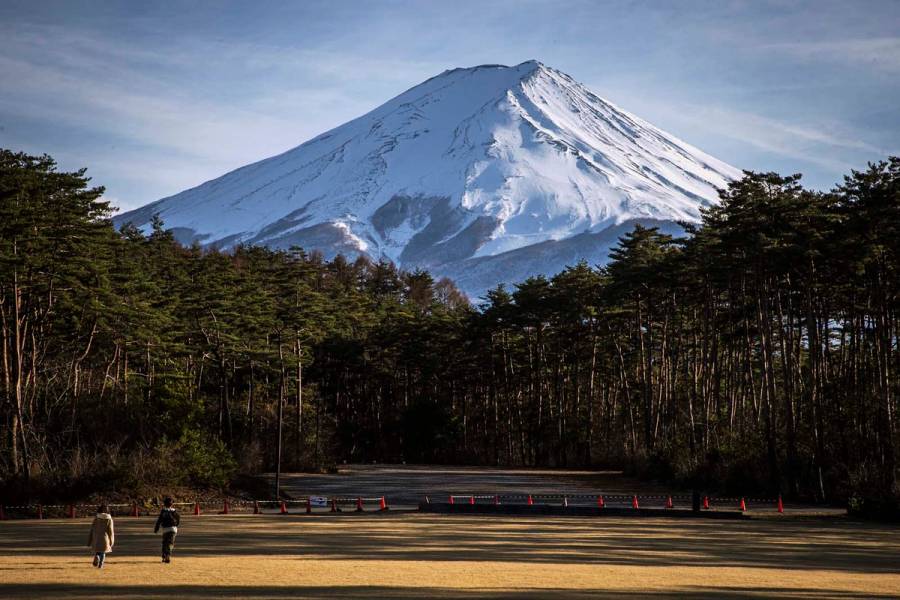
Yamanashi Prefecture
Yamanashi Prefecture uses its forests wisely. Visitors can go hiking, trekking, rafting, and kayaking in summer. In winter, there's skiing. The region uses digital booking systems to control how many visitors come at once. This protects nature while still giving tourists great experiences.
Niseko in Hokkaido
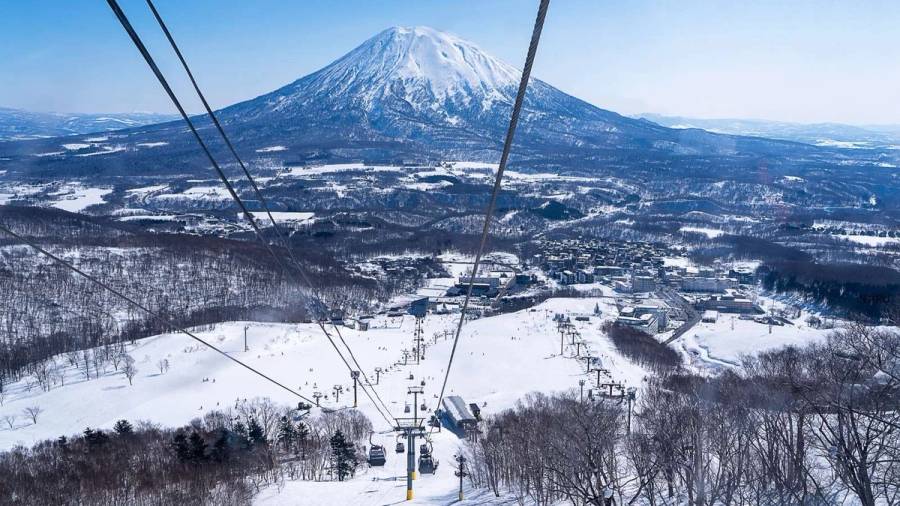
Niseko has become famous for balancing ski resort growth with nature conservation. They earned international certification for their efforts.
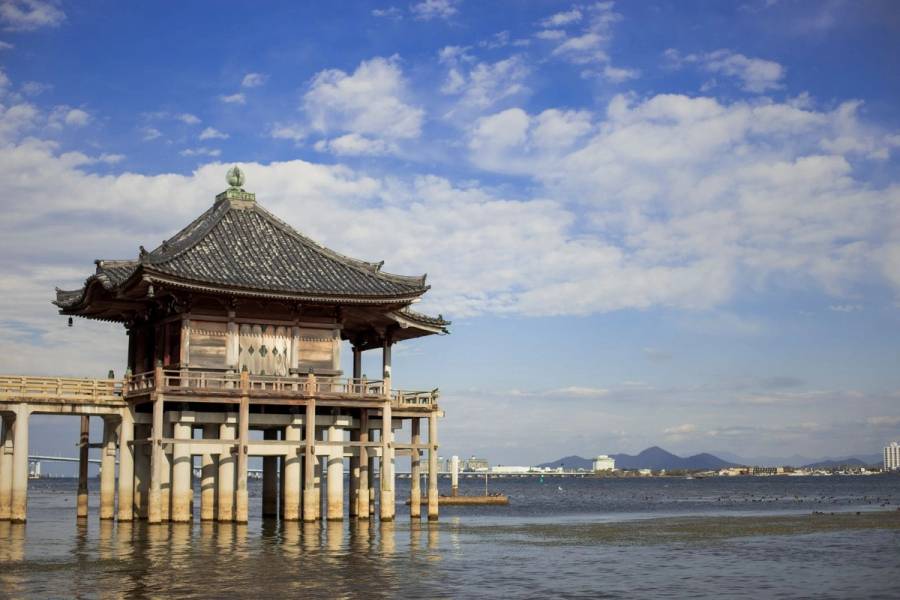
The Lake Biwa region in Shiga Prefecture
Shiga Prefecture encourages visitors to stay longer. These longer visits help tourists connect more deeply with local businesses and industries.
Shirakawa-go in Gifu Prefecture
Shirakawago is a UNESCO World Heritage Site. To prevent overcrowding, they use admission limits and reservation systems. This keeps the village's traditional thatched-roof houses protected.
7. Kyoto's New Tourism Style: The Promise of E-Bike Tours
Kyoto has a serious overtourism problem. Famous spots like Kinkaku-ji and Fushimi Inari are packed with visitors. This hurts both the environment and local residents' daily lives. But new types of tourism are offering solutions.
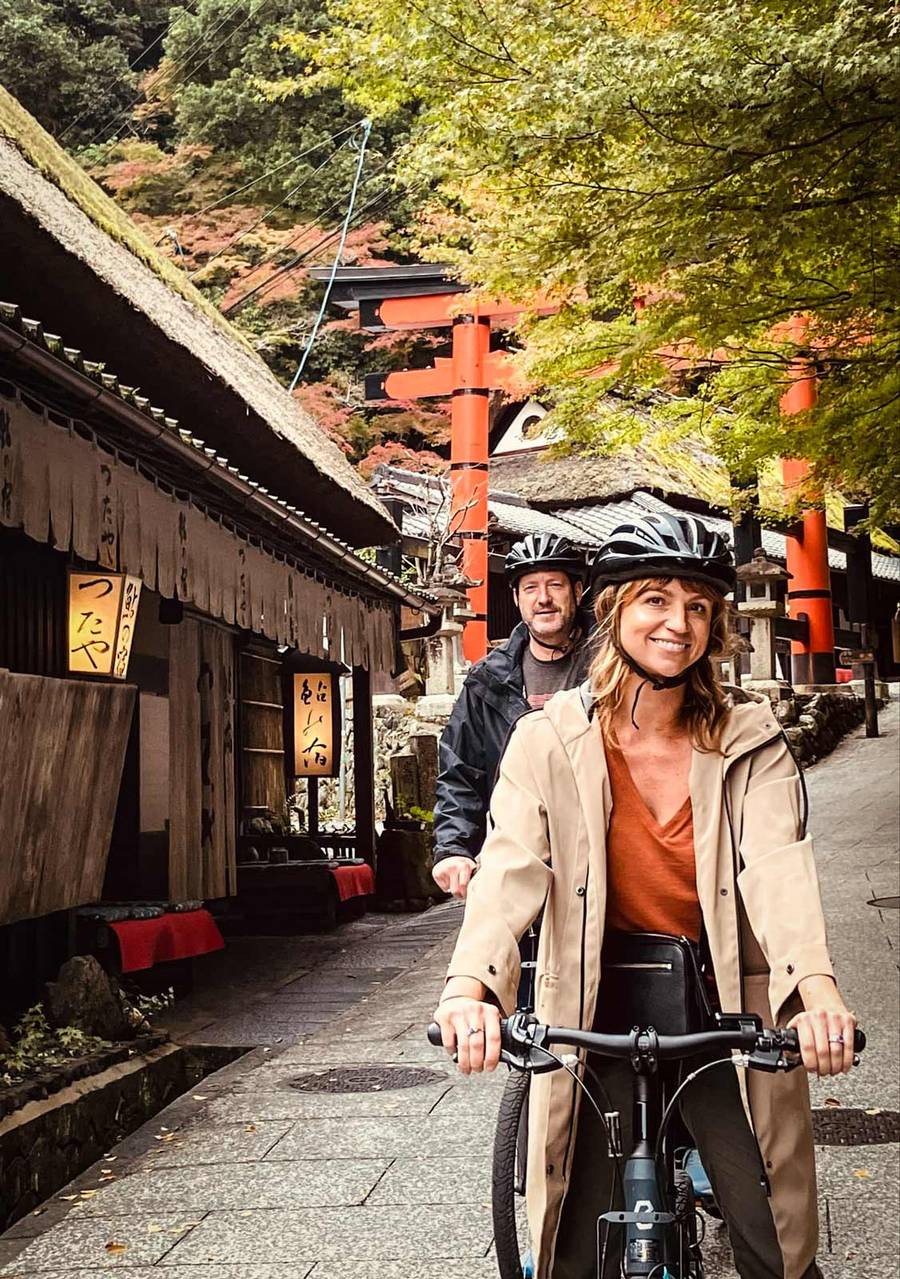
One exciting example is e-bike tours led by local guides. These tours skip the crowded famous sites. Instead, they take visitors to hidden gems that only locals know about.
7.1. NORU Kyoto Bike Tours: Kyoto's Best Sustainable Touring Option
NORU Kyoto Bike Tours is one company doing this well. Our motto is "discovering the real Kyoto that guidebooks miss." Our Secret Kyoto Tour covers 14 kilometers in about 3 hours and 45 minutes. Small groups of up to 8 riders visit quiet temple gardens and traditional neighborhoods far from the tourist crowds. Tours cost ¥15,000 per person and run 3-4 times daily.
Why is this type of tour considered sustainable? There are several good reasons:
- Low environmental impact – E-bikes produce zero emissions and take up little space on roads
- Reduces overtourism – By avoiding famous sites, these tours spread visitors across Kyoto
- Supports locals directly – Local guides earn income, and tour money stays in the community
- Small groups matter – Fewer people means less disruption to neighborhoods
NORU Kyoto won the 2025 Viator Experience Awards. This proves that sustainable tourism and amazing travel experiences can go hand in hand.
9. Conclusion
Sustainable tourism rests on three main ideas: protecting the environment, preserving local culture, and helping local economies grow. Japan faces real challenges in this area. In 2024, the country welcomed a record 36.86 million visitors. Tourism now makes up 7.5% of Japan's economy. However, 70% of these tourists visit just three big cities. This creates serious overcrowding problems.
The good news is that solutions exist. International standards like GSTC certification and Japan's own JSTS-D give clear guidelines for sustainable practices. Success stories are popping up everywhere – from Hakone to Yamanashi to Niseko to Shirakawa-go.
In Kyoto, e-bike tours like NORU Kyoto Bike Tours show a new way forward. By skipping crowded famous sites and exploring hidden neighborhoods with local guides, these tours reduce environmental impact while directly supporting the community.
What can you do as a traveler? The actions are simple: choose locally-owned places to stay, use public transportation or bikes, join tours led by local guides, and respect local customs and rules. These everyday choices directly shape whether a destination stays healthy for future visitors.
Sustainable tourism isn't about giving up great experiences. It's about traveling in a way that respects the places we visit. When we do this, we leave a positive impact on every community we explore.
References
[1] What Is Sustainable Tourism? Background and SDGs | High Quality Yamanashi
[2] Japan's Travel & Tourism Sector to Surpass Previous Records in 2024 | WTTC
[3] World Tourism Barometer January 2025 | UN Tourism
[4] White Paper on Tourism in Japan, 2024 | Japan Tourism Agency
[5] Sustainable Tourism Case Studies | JTB Corporate Services
[6] What Is Sustainable Tourism? Japanese Case Studies | ethicame
[7] GSTC-Recognized Standards for Destinations | GSTC
[8] Japan Sustainable Tourism Standard for Destinations is now GSTC-Recognized | GSTC
Frequently Asked Questions
Ecotourism focuses specifically on nature conservation. Sustainable tourism is a more comprehensive approach that gives equal weight to environmental protection, cultural preservation, and economic contribution to local communities. It applies to all forms of tourism, including urban and cultural tourism.
E-bike tours with local guides that explore hidden gems instead of crowded famous sites are gaining attention. These small-group tours have low environmental impact and channel tourism revenue directly to local communities, making them an excellent example of sustainable tourism in practice.
GSTC (Global Sustainable Tourism Council) provides international certification standards. JSTS-D (Japan Sustainable Tourism Standard for Destinations) adapts GSTC criteria to Japan's unique cultural and regional characteristics. JSTS-D achieved GSTC-Recognized status in 2021.
Choose locally-owned accommodations, use public transportation or bicycles/e-bikes, join tours led by local guides, and respect local cultures and rules. These choices directly impact destination sustainability and ensure your travel benefits the communities you visit.